
Dr. Rachel: Avoiding Cognitive Dissonance over the Holidays

Our first snow of the year had me thinking about my first snow in life. As the story goes, I was about three. We lived in Texas at the time, and my paternal grandfather’s family was from St. Cloud, Minnesota. We had gone up to visit them, and apparently I was very excited for real snow.
Allowing the adults to only partially bundle me before I bounced out of the door, I ran as best as a 3-year-old could toddle forward, at a faster pace than my parents wished. I was out the door for a few seconds before turning around and “running” back into the house screaming, “It’s Cold!” I was utterly disappointed that the fluffy white stuff that looked like the cotton my mom used on her skin or the temperature-less fluffs in books with Santa would be colder than my experiences could prepare me for.
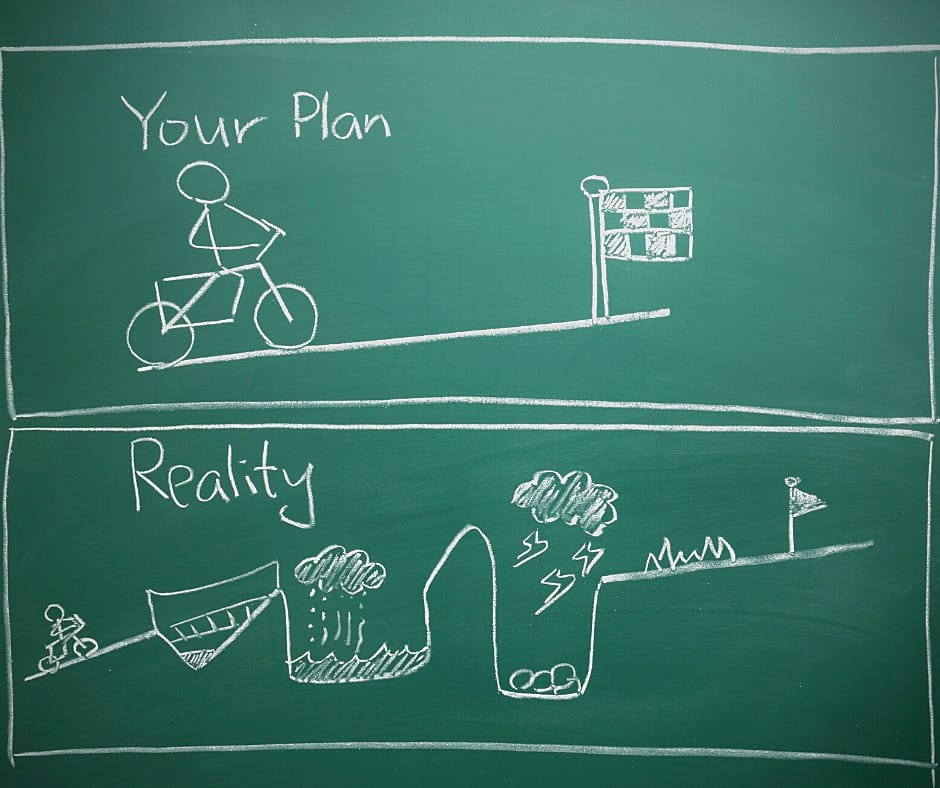
Moments like this happen throughout the year, and especially this time of year over the winter holidays – moments when expectations fail to become reality. When our realities don't match our expectations it can lead to disappointment, decreased gratitude, anger, unhappiness, frustration, and self-doubt. It can blind us to the options we have in front of us, and even cloud our sense of reality.
What Are Expectations?
It’s not that expectations are inherently bad. It’s when we don’t check them and acknowledge that they are in fact expectations. Hope is one thing. Unrealistic expectations – fixed ideas of what can, should, or must happen in order for us to feel happy or successful or secure – are another.
Expectations in the sense of hope can motivate us. But taken too far, these predictions about the future can leave us unmoored. It’s called cognitive dissonance, a gap between what we expected and what actually happened.
Where Expectations Come From
We form expectations based on past experiences, personal beliefs, social norms, temperament, current mood, personality traits, and the context of the situation.
Shifting from Healthy to Unhealthy Expectations
Healthy expectations work like a “sweet spot.” They’re high enough to energize you, even stretch you a bit, but still feel realistically doable given your time, skills, and situation. When expectations sit in this zone, they boost focus, effort, and persistence because you value the goal and believe you can get there with a little effort.
Expectations turn unhealthy, however, when they stop motivating you realistically and start demanding that real life match a story in your head, no matter what. At that point they create constant pressure, guilt, or shame instead of giving you direction and energy.
Take for example some common winter holiday expectations:
Healthy:
I’d love the tree to look nice, have a few favorite foods, and sit down around 6 for Christmas Dinner. My goal is to get everyone one gift that shows the thought I put into them and enjoy time together. It’s okay if it’s all a bit messy or late.
Unhealthy:
The tree has to be perfect, we must have all the traditional dishes cooked to perfection, exactly the way grandma used to, and everyone must be at the table by 6, in a good mood, in their matching holiday outfits, before stockings which must be stuffed full with the ideal gifts.
Now there’s only one “acceptable” version of the evening, and since we don’t ever fully control outcomes, nor is anything ever perfect, that evening is bound to fail.
Cognitive dissonance shows up when reality doesn’t match that rigid picture: the tree looks lopsided, a bulb goes out, one dish is overcooked, someone’s late and cranky. Your niece doesn’t wear bows anymore and refuses to do so to match outfits with her cousins….
Inside, you’re holding on to: “This must be perfect in order for it to feel successful, and you to feel like you're a good parent, hostess, etc."
But reality is, well, reality. Instead of softening the expectation (“Okay, it’s imperfect but what matters most is….”), it’s easy to flip into: “It’s ruined,” “They don’t care,” or “This whole holiday is a disaster,” or “I can never pull off dinner like Mom and Dad did.”
That’s when you're in the unhealthy zone.
How Do We Keep Expectations in Check?
- Check for realistic: Check in with yourself, especially before you go into a situation that's new or feels like it comes with high-stakes. Ask yourself how realistic your expectations are. Consider the time, money, skills, and other resources you have to help you achieve those expectations and adjust them so they're more attuned to possible or likely outcomes.
- Check your priorities: You can never go wrong by asking yourself "What really matters?," in a stressful moment. That will help you not only with expectations but to reframe situations that don't align with those expectations.
- Reflect on past misalignments: When in the past have your expectations not aligned with reality? How did it feel? What were the factors that shaped the expectations and the reality? Notice any patterns between these past experiences?
- Get present: When you start to feel frustration, anger, disappointment, or when any of those negative feelings stir, focus your attention on the present moment.
You can change your feelings by changing what you pay attention to. For those who resonate with the word "mindfulness," you can tap into any of your mindfulness exercises, whether they are the 5-4-3-2-1 Grounding, or a breathing exercise, or a meditation.
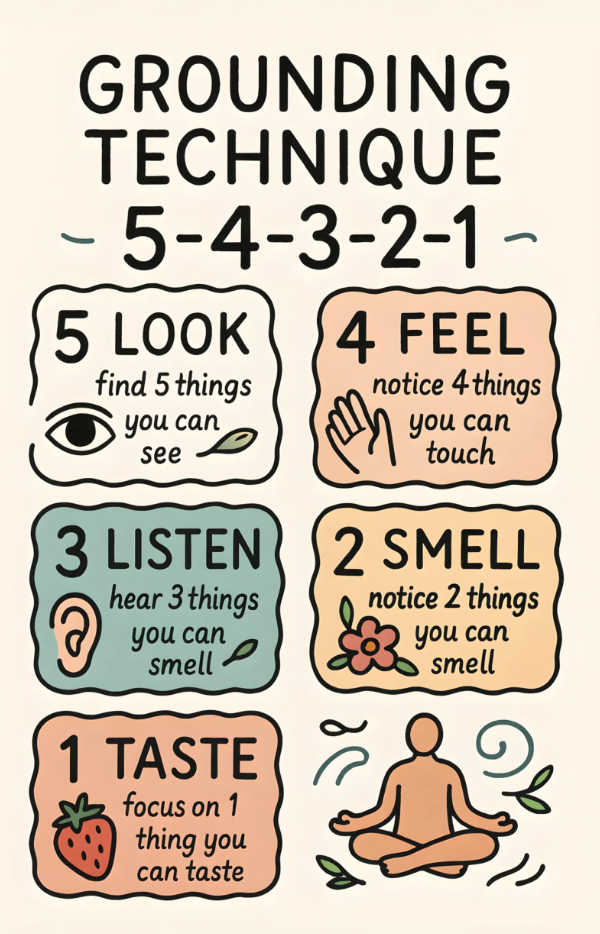
For those who don’t find these approaches resonating, try something I call: “Take the First Thing." All you do is say to yourself (or out loud if you wish) the first thing you notice about the environment around you or the person in front of you. For example, as I write this, I observe:
- The bright blue of my sweatshirt.
- The empty coffee cup to my left.
- The tree needles on the floor.
- The glasses to my right.
- The smell from the tree.
- The Band-Aid on my finger.
- And so on.
*This is also a helpful exercise when you're in a conversation or meeting and realize your mind has drifted. Focus back on the speaker. What do you notice?
Final Thoughts
Remember it’s not that expectations are inherently bad. It’s when they're too rigid for reality and they hurt our well-being and rob us of experiences that might have been more pleasurable than we had initially anticipated.
When we loosen our grip on how things “should” be, we make more room to notice what is actually good, meaningful, and enough – sitting right in front of us.
This season, may your expectations be flexible enough that you don’t miss the small, imperfect moments that end up becoming your favorite memories or your best lessons for growth.

Dr. Rachel Boehm is a resident of West Falls Church. She’s lived in the area for over 15 years and runs a modern change management firm helping leaders and employers navigate business transitions and constant busyness with less tension for more successful outcomes. Dr. Rachel holds a PhD in psychology focused on individual and organizational behavior.



Member discussion