
Dr. Rachel: Handling Burnout

By Dr. Rachel Boehm,
“What does burnout feel like to you?”
When I ask this question, people have shared all sorts of adjectives with me over the years: Tired. Drained. Depleted. Overwhelmed. Exhausted. Emotional. Emotionless. Empty. Unmoored. Stressed. Anxious. Sad. Lonely. Surrounded....

The trouble is, there’s a bit of a sparring match over what burnout is and what it isn't.
In The Burnout Challenge: Managing People’s Relationships with Their Jobs (Harvard Univ. Press, 2022), Dr. Christina Maslach – who helped popularize the concept and framework of "burnout" and its causes – proposes that it stems primarily from stresses created by workplace management (or mis-management) and culture. Other scholars, however, believe burnout arises from more than simply the workplace environment. Still others, especially in pop media, equate burnout to mental well-being challenges and overwhelm.
If you feel you're suffering from burnout, it's tempting to say, “Who cares what causes it? I feel like (expletive). Fix it!” But, of course, it’s hard to fix something if you're uncertain of its cause(s), and, when you actually have little-to-no control over the cause.
Let’s say burnout is what pop culture says, your inability to: enforce your boundaries, properly journal, take your PTO, manage your stress, get enough sleep and exercise, and follow your diet. But such a definition is not helpful if you have to commute four hours a day because you can’t afford to live near your workplace, and that's the job that can help you and your family (barely) afford to live right now … "Not helpful!," clients shout with frustration.
And let’s say burnout is caused by workplace management and culture and it's experienced by individuals, as Maslach defines it. Well, what if you are the individual and have very little control over management and the workplace culture? This is also not helpful.
So, here’s what can help.
1) If you feel like work is hijacking your life, and you're consistently (not occasionally) feeling those adjectives above, it's time to set up a call with a licensed therapist. This is NOT because burnout is a mental health problem and you are somehow failing at resilience. It’s simply a way to start, a) feeling less alone, b) an accountable way to focus on yourself, c) have someone credentialed who can help you explore more steps to take in restoring your energy and agency, and, d) getting this covered by insurance.
Handling 'Vacation Guilt' and the Return to Work

2) If you take a vacation, great. But just know it’s only a temporary way to restore yourself, not a permanent fix. And that is the best case scenario. 1 in 5 Americans experience "vacation guilt," Pew found in 2025. So if that is you, if you're going to spend your vacation feeling guilty for taking it, fearful your manager will penalize you, or stressed about everything you'll be returning to, then: a) go back to step 1, and b) if you feel comfortable, have a conversation with your manager to clarify expectations around PTO use. Ask if you can you have a “re-entry” day with no calls or meetings scheduled, so you can get caught up on your workload and where things stand when you return? Can you have some coverage so work continues apace while you have a more seamless transition back to full productivity?
Ask What You Can and Cannot Control
3) Focus on what you can control. Often, our stress comes from excessively ruminating on things outside our control. Directing our attention to what we do have control or influence over can help stop the spiral. Stephen Covey’s The 7 Habits of Highly Effective People popularized "The Circles of Influence" exercise that can assist us with this. There's a worksheet on PositivePsychology.com you can use for free. Here's a direct link to the exercise itself, as it can get a little lost on the page.
Basically, when you catch yourself ruminating or being weighed down by something, sort your thoughts using the circles in the exercise. Write down the issue. Then list what you can control about it in the "Control" circle, what you can influence about it in the "Influence" circle, and what you cannot control in the "Cannot Control" circle. This will help you ruminate less on things outside your sphere of influence and more on specific steps you can take to reduce your burnout and stress levels.
Taking Micro-Breaks
4) Another move my clients have found helpful is to take micro-breaks throughout their workday. These are 20 seconds to five minutes long. Do something that makes you laugh, or stretch, or walk, or breath more fully, or that gets you out of the work mode and constant rumination. You'll feel restored when you return after the break and at the end of your day.

Avoid Couch Potato-ing
Then, at the end of your day, when it's tempting to collapse into the couch and binge content, don’t. It feels like a good idea at the time, but for a number of reasons, hours of TV or digital content don’t help your mind or body truly recover and restore the energy that was just drained from it. Can you go for a walk? Can you stretch? Can you read a tangible book?
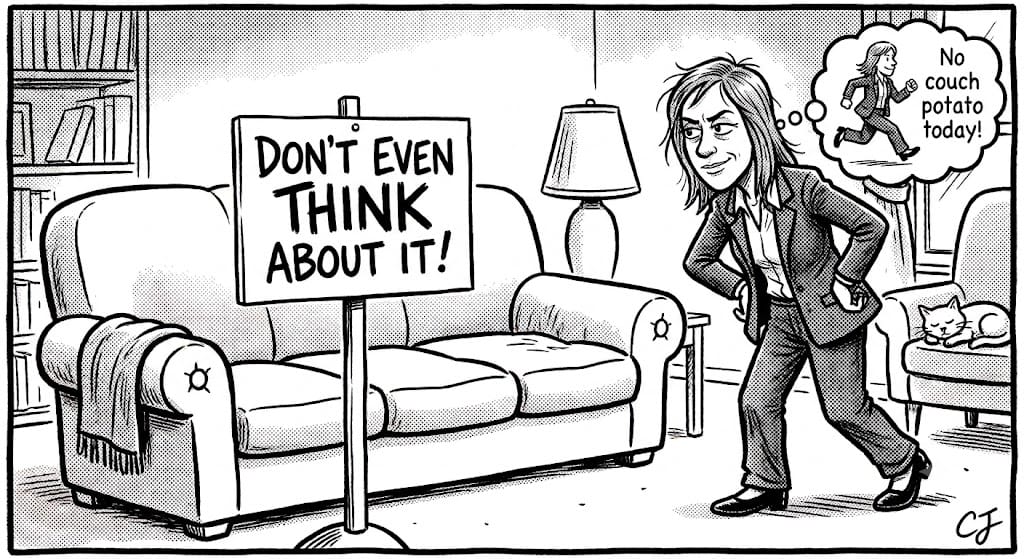
One way to figure out what to do for restoration is to ask yourself, “What thing do I feel like I don’t have the energy for, but after I do it, am refreshed and glad I did it?” Can you do that thing for even 5 minutes?
The Importance of Connecting with Others
- Last, find someone you trust to talk to. Perhaps colleagues who are experiencing this with you, who might be able to help you advocate for changes. Or, a trusted friend, a loved one, or a licensed therapist. Burnout can feel isolating. In fact, one of the workplace culture problems that can drive burnout is a lack of community, so reminding yourself that you are not alone can help reduce its impact. And, of course, a positive sense of community can bring a sense of healthy joy in so many other ways.
There are certainly other moves you can make. But I have found these are the most helpful first steps for people who feel like they have no time or energy to deal with the problem of "no time or energy."
So, if you're feeling burned out, it’s not because you "lack resilience" or have some personal failing. And just because burnout is driven (at least in part) by workplace management and culture does not mean you are powerless.

Dr. Rachel Boehm is a resident of West Falls Church. She’s lived in the area for over 15 years and runs a modern change management firm helping leaders and employers navigate business transitions and constant busyness with less tension for more successful outcomes. Dr. Rachel holds a PhD in psychology focused on individual and organizational behavior.






Member discussion