
Dr. Rachel: How Our Mistakes Can Help Build Confidence

By Dr. Rachel Boehm,
“It’s good for you. If you make mistakes it’s good, it shows you where the weaknesses are,” renowned Pilates instructor Alycea Ungaro said during an on-demand workout I was squeezing in before a morning-after-Christmas flight.
I held onto her words long after the workout – obviously because it’s the hook for today’s piece on building confidence and achieving goals, particularly as we kick off a new year. But I also held on to her words because I was grateful for all the lightbulbs it flipped on – and also because I was annoyed.
Here was this internationally recognized instructor in the arts-adjacent field who knew the power of mistakes, and yet the performing arts instructors I had in elementary school through college held no such perspective. Their view on mistakes was essentially, "Don’t make any," which frankly did quite a number. Perhaps you can relate with teachers from your own past.
Should we not make mistakes? There are many problems with the perspective that we should never commit an error. Mainly, that not making mistakes is impossible for human beings. (I only wish at age nine I had known the phrase, “I reject your premise.”)
Another problem is that it's only through the cycle of try, fail, try again differently or harder, that we eventually succeed and build the confidence to take the next leap forward.

Four Ways to Build Confidence
Albert Bandura, another renowned expert in his own field of psychology, introduced the concept of "self-efficacy," which, put simply, is your own belief in your ability to reach a goal.
Some argue that self-efficacy differs from confidence, while others hold they're the same. That confidence, like self-efficacy, is task- or context-specific. I am of that view, so without going down that rabbit hole, let’s just think of self-efficacy as confidence and call it a day.

Success Through Setbacks
Bandura said the main way you build confidence is by taking on a more complex task only after you've struggled your way through it initially. It is actually through failures, through persistence, and through challenges as you work toward success that you build your confidence, or self-efficacy.
By contrast, success with too little effort or no effort at all may make you confident in a moment, but may derail your confidence over the longterm. You don't learn how to overcome disappointment or handle setbacks. You expect quick wins and are more easily discouraged by failures.
Bandura called the success-through-setbacks approach "mastery experiences." This is very much in line with Alycea Ungaro’s characterization of mistakes as good for exposing weaknesses, and very much counters the narrow-minded instructors I had growing up.
Now, mastery experiences are the main way – the most powerful way – to build self-efficacy (confidence) but not the only way, Bandura tells us. We can also build confidence by seeing someone like us do the thing – what he called "vicarious experiences." And the “people like us” part is important.
If My Buddy Can, I Can
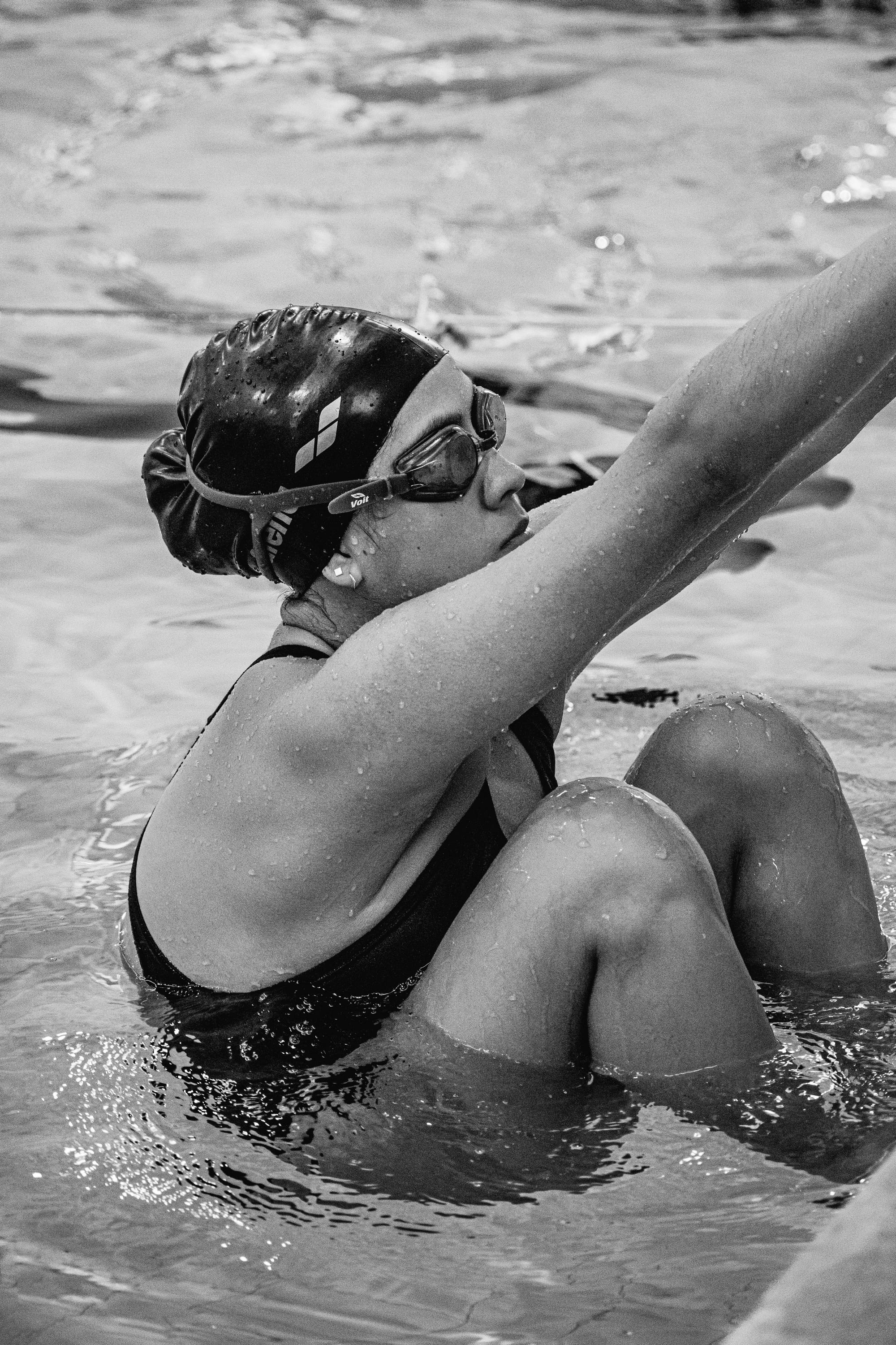
For example, I’m on one of our local US Masters Swim Teams, and odd-ball that I am, one of my favorite strokes to work on is the butterfly. Now, I can watch Gretchen Walsh compete all day. It will make me admire her talent and effort. But it will not make me confident in my own ability to swim the butterfly. It might motivate me temporarily to try, but not my belief that I can do what she's doing.
I can, however, gain confidence by watching the men and women I swim with three days a week develop their butterfly strokes, the work they put in to improve their techniques and better themselves in the process. That provides a greater boost to the development of my confidence because their similarities with me allow me to more easily envision the sorts of improvements I need to, and can, make.
I Can, Because You Said So
The third way I, and you, can build confidence is through someone else telling us we can do the thing. But not just any someone. It has to be someone we trust, someone who knows us and knows the thing.
To take the butterfly swimming example again, my coach telling me I can improve goes a long way. And should Gretchen Walsh ever watch me swim and tell me I can improve, that would go a long way.
However, when my amazing parents, who don’t know that much about the intricacies of swimming the butterfly, tell me I can improve, I might feel good in the moment, but that boost won’t last past a few setbacks. Because, “they don’t know what they're talking about.” That child-to-parent refrain might also sound familiar. This is one reason mentors, coaches, and teachers can be so powerful.
I Can, Because My Body Says So
The fourth way Bandura tells us we can build confidence is through our “physiological states.” Basically, we're not freaking out. Our emotions, moods, and thoughts influence how our body feels. Are we tired because we're bored in a meeting? Is our heart racing because we're excited for a new opportunity, or anxious as we turn in a proposal? Are our shoulders and jaw tense because we're watching the latest thriller?
And our sensations influence how we interpret our confidence levels. If we attribute the racing heart and sweating palms and rapid breathing to anxiousness and doubt, we'll feel anxious and doubt our ability to do the thing. But, if we interpret them as our mind and body readying us for the moment, we will feel more confident.
We can learn to reinterpret our thoughts and feelings and regulate our physiological states through coaching and therapy, and other instruction that can teach us how to notice, name, and reframe.
Essentially, you can change your thoughts and feelings by changing what you pay attention to. If you focus solely on "mistakes" and engage in negative self-talk, then that's what you'll get – negative feelings, negative predictions, more negative self-talk, little confidence. But, if you focus on the first steps you need to take, the ways in which you have overcome setbacks in the past, who you can turn to for guidance or support, the aspects of the situation you can control, then you'll experience greater confidence in your ability to show up for the moment.
Moving into a New Year
Most people set goals for the New Year, whether they call them resolutions or not. It’s a nice way to leverage the sense of having a fresh start. If that is you, and if you're re-setting a goal you've earlier set, but “failed” at before, your confidence might be lower than you’d care to admit.
But, to paraphrase Ungaro, that's a good thing! You've already tried and made mistakes, so you know where your weak points are. Get specific with this reflection. Instead of saying your motivation or willpower is weak, ask yourself, "Around which people are they weak?" Or, "At what times of day, or in what circumstances or environments does my willpower weaken?" (e.g. at work, or at home, or in restaurants, or on the way home because my favorite drive-through is there.)
Micro-Mastery Moments
Look to your past experiences to learn where to adjust in order to strengthen your weak points. Inch yourself forward through, let’s call them "micro-mastery moments." Find people like you who are already doing it. Find someone who's knowledgeable in the thing you want to do, whom you also trust to help you in doing the thing. And when you're feeling tired or anxious or frustrated or just “done” with trying, take a breath and take a beat.
Then, notice what you're thinking and feeling, and get specific when you name those feelings. Ask yourself what prompted the thoughts and feelings (a person, a comparison, an environment, the fact that you’re tired or hangry, and so on). And then ask yourself, how true or helpful those thoughts are. Are you engaging in negative self-talk? Is there another way to interpret these feelings?
This work is admittedly hard to do and why coaching and types of therapy like Cognitive Behavioral Therapy (CBT) can be so helpful.
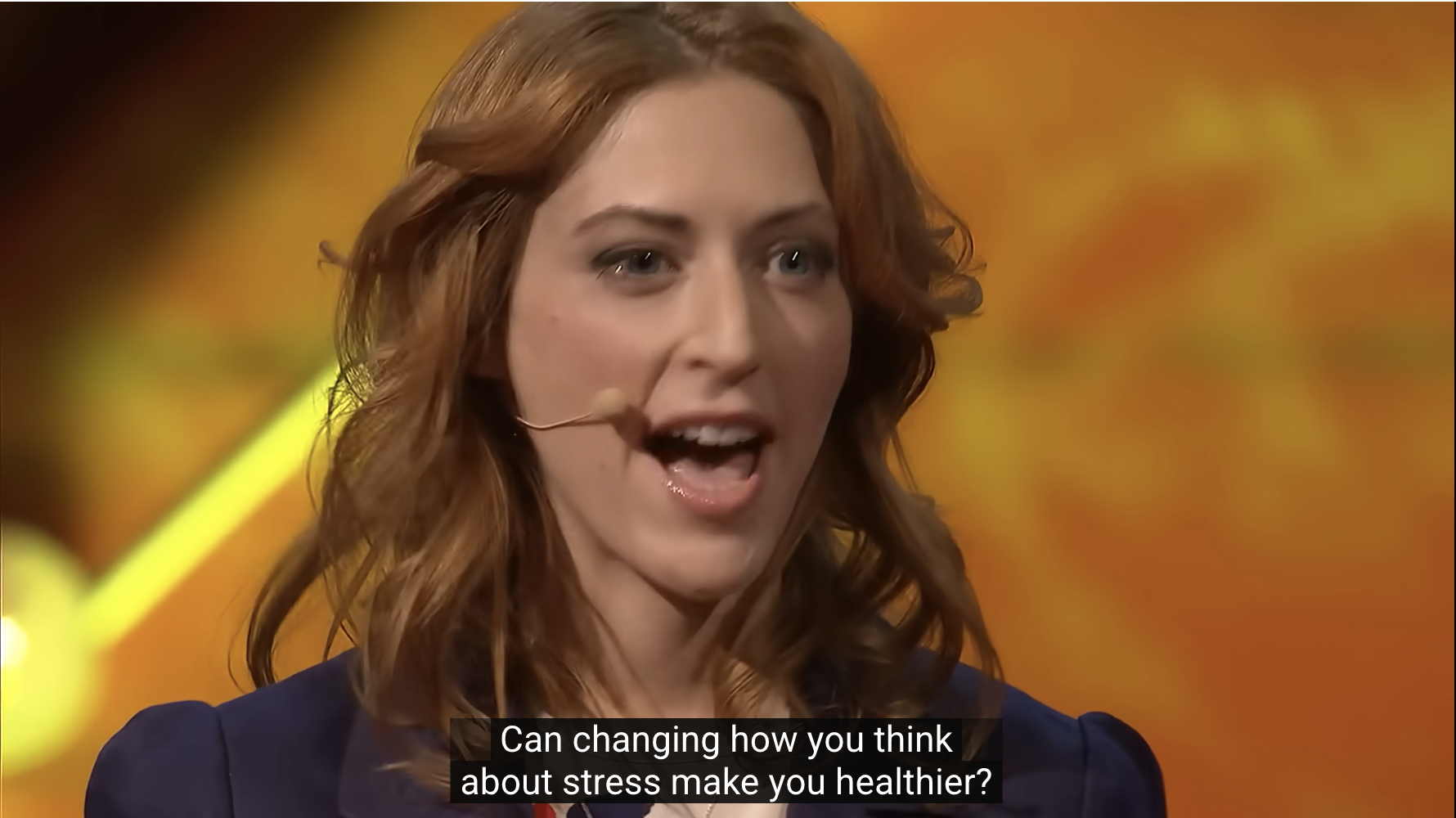
But to help get you started thinking about how to do this, check out Kelly McGonigal’s oldie but goodie TED TALK, How to Make Stress Your Friend. She addresses reframing our stress-related thoughts and sensations to see them as our minds and bodies rallying us to do the thing.
And last, you probably have someone from your past – a peer, a teacher, a coach, or a boss – who made you see failure as bad and question your strength or smartness or some other trait that continues to hold you back. Close your eyes – after you read the rest of this sentence of course – visualize that person who first made you feel that mistakes were bad and tell them with your newfound knowledge, “I reject the premise of your statement.”

Dr. Rachel Boehm is a resident of West Falls Church. She’s lived in the area for over 15 years and runs a modern change management firm helping leaders and employers navigate business transitions and constant busyness with less tension for more successful outcomes. Dr. Rachel holds a PhD in psychology focused on individual and organizational behavior.





Member discussion