
Letter: It Takes a Village
By Maria Belén Quellet,
I am a resident of one of the city-owned apartment buildings in Virginia Village. Like many of my neighbors, I have followed the ongoing conversation about whether reinvestment or redevelopment is the best long-term solution for maintaining and expanding affordable housing on the site.
What strikes me most is that many people seem to be opposing the exploration of an outcome that does not yet exist.
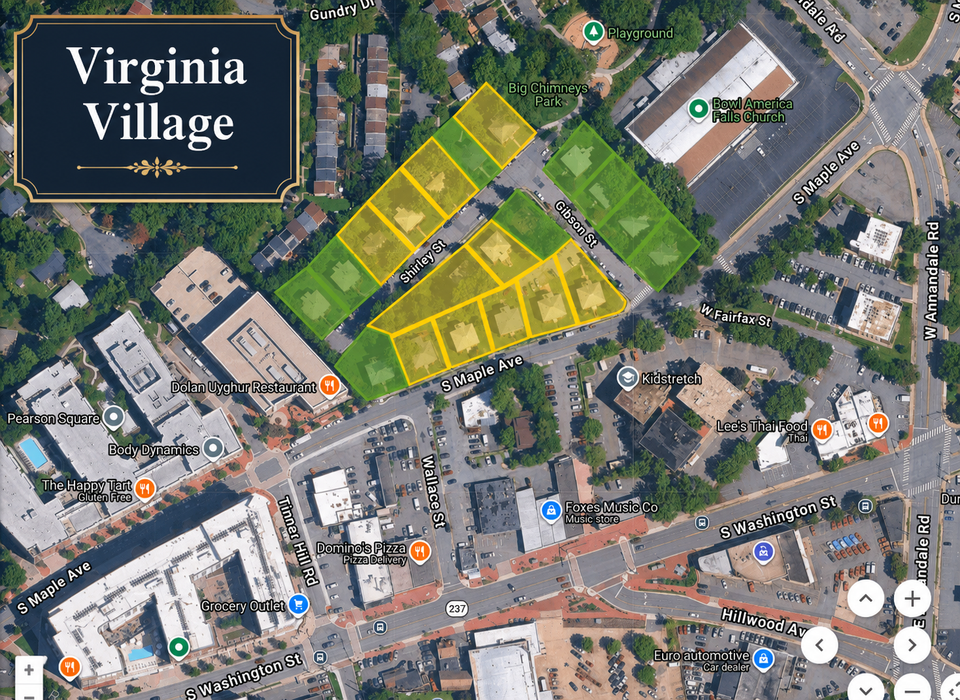
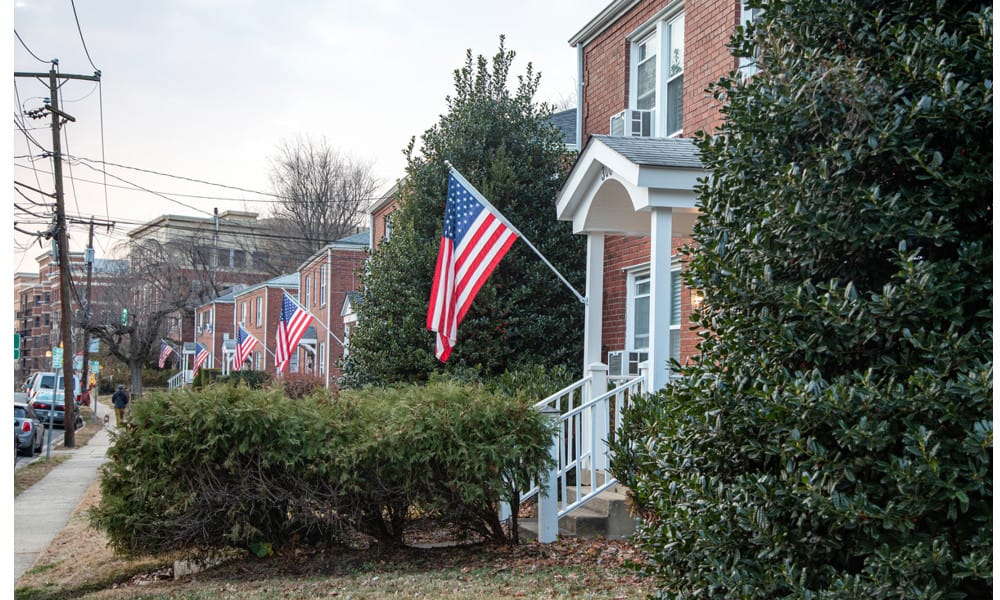
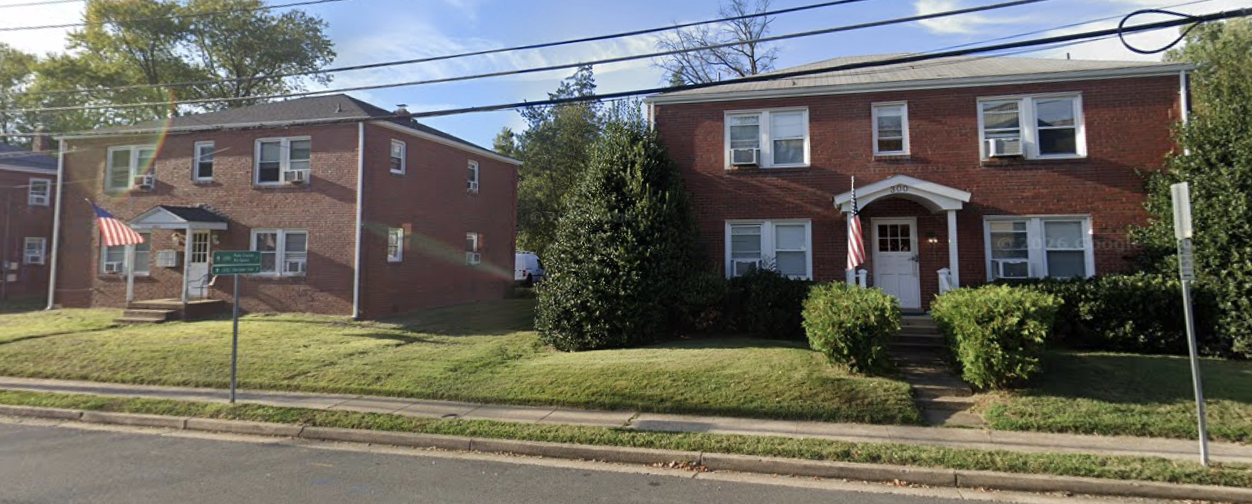
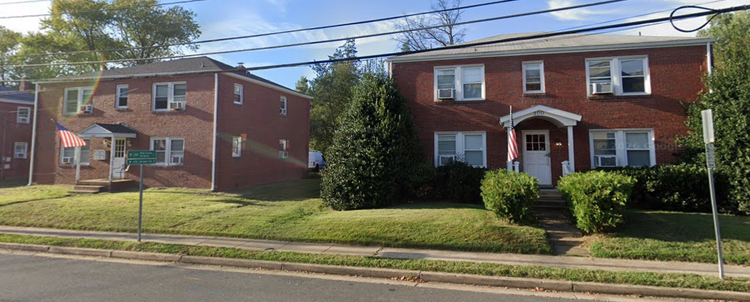
The area is a 4.5-acre site beside Big Chimney Park, Bowl America, and Winter Hill that currently contains 20 four-plexes housing 80 families. Nine of the 20 are city-owned; 11 are privately owned. The City has set aside money to acquire more.
Given the scale and importance of the site, exploring its future thoughtfully is a responsibility, not a threat.
"Approving a plan" and "exploring a possible plan" are different by definition. Virginia Village's buildings are approaching 80 years of age. Whether one ultimately supports reinvestment, redevelopment, or something in between, we now have a chance to thoughtfully examine our options.
I support the City's effort because I would rather know than not know. Exploring possibilities does not commit the City to a particular outcome; it simply allows residents and decision-makers to make future choices based on information rather than assumptions.
What makes this process remarkable is not the possibility of redevelopment. It is the possibility of co-designing the future with the community.
Residents and neighbors have been invited to share their concerns, priorities, and hopes. We have participated in workshops, discussions, and feedback sessions. We have seen our input documented and reflected back to us. The process has not been perfect, but it has been genuine.
In a time when trust in institutions is often fragile, this kind of engagement matters.
Affordable housing should not be a privilege available only to those fortunate enough to find it. Virginia Village provides some of the only naturally affordable housing in Falls Church. Exploring ways to preserve and potentially expand those opportunities should not be viewed as a threat. It should be viewed as a responsibility.
The discussion has also revealed something important about our community. When people come together to talk honestly about housing, neighborhoods, and the future, they begin to understand perspectives different from their own. Conversations do not eliminate disagreement, but they can build understanding.
It is also worth remembering that many of the people who most need affordable housing may not be present at every meeting. Some are working multiple jobs. Others are caring for children or aging parents. Many are simply focused on getting through the day. Their absence from the room should not be mistaken for an absence of need.
I understand why people feel anxious. Housing touches deeply personal questions about home, stability, and belonging. But uncertainty is not a reason to avoid difficult conversations. In fact, it is a reason to have them.
The future will arrive whether we plan for it or not.
If not now, when? If not through a process that actively includes residents and neighbors, then how?
It takes a village to preserve and expand affordable housing. It takes a village to preserve community. And it takes a village to have the conversations that help us imagine what comes next.
Maria Belén Quellet is Executive Director of The Learning Quest at 200 N. Maple Ave. in the City of Falls Church. The Learning Quest's objectives are to: 1) Develop new and innovative approaches and tools to foster learner-centered education through research and program implementation;" 2) "Expand opportunities for learners to conduct effective and impactful community outreach activities as part of their learning experience;" and, 3) "Foster the growth and availability of resources and guidelines, aiming to boost enthusiasm for STEM."

Member discussion