When Neighbors Take the Initiative to Build Community One Gathering at a Time
By Belén Quellet,
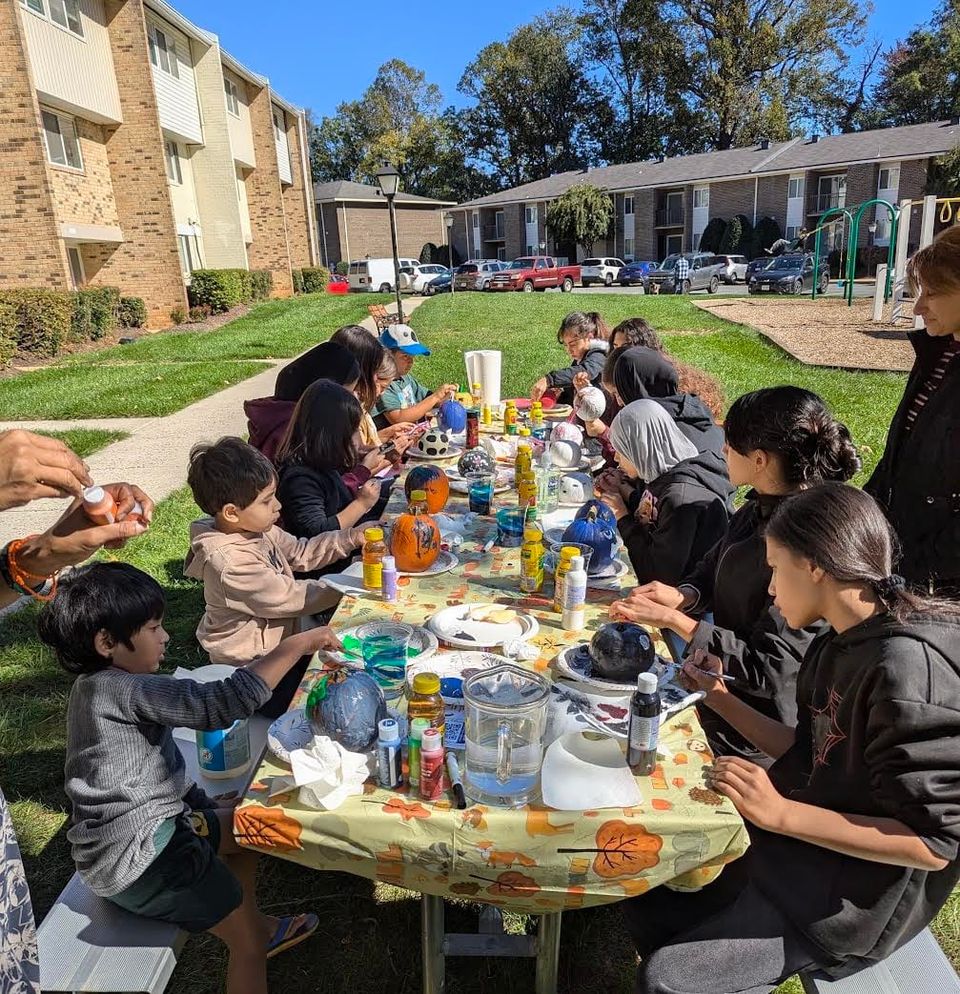
A three-month Falls Church Forward (FCF) pilot project has demonstrated how small gatherings can create lasting neighborhood connections.
Providing micro-grants from $50 to $150 to "help neighbors host gatherings.... Whether it's a shared meal, a group coffee chat, a block party, a neighborhood activity, or another way to bring neighbors together, these gatherings are an opportunity to build connections, get to know one another better, and imagine what's possible for our shared places," FCF said as it launched its three-month pilot program to foster community in the Little City from August through October, 2026.
Though the grant application window for the initial pilot project is now closed, FCF has carefully studied participant reflection forms and debriefing notes from micro-grant recipients and seen many positive project outcomes.
People can live just a few doors apart without ever getting to know one another, so creating opportunities to connect can make a meaningful difference. But while many people like the idea of bringing their neighbors together, moving from intention to action is another story.
"We cannot love what we do not know,” St. Augustine wrote (in the Latin: nihil amatum nisi cognitum, i.e., "nothing is loved unless known.") Its underlying idea is simple: knowing is often the first step toward caring. How can we feel connected to a place if we don't know the people who live around us? How can we care about our neighborhood if our interactions rarely go beyond a passing hello?
Social Connections Essential to Healthy Democracy
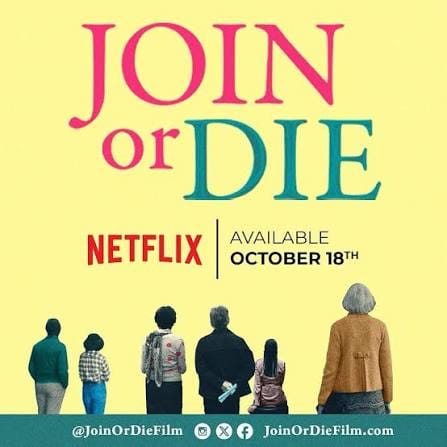
Knowing one another is often the first step toward building a sense of belonging. The documentary Join or Die, made by two siblings with local ties to Falls Church, explores the importance of joining clubs and associations and participating in community life. Its central message is that social connections are not just good for our personal well-being; they're also essential to a healthy democracy. The relationships we build through everyday interactions help create trust, belonging, and the willingness to participate in the communities around us.
The question, then, is how to create more opportunities for these connections to happen. In Falls Church, one local initiative has been testing a simple approach: give residents a little encouragement and support to bring neighbors together.
From Good Intentions to Action
The first Neighbor Gathering Micro-grant program, organized locally by Falls Church Forward (FCF) as part of the national With Neighbors initiative, set out to do just that. Its premise was straightforward: help residents turn the intention to connect into an actual gathering. Funding came from With Neighbors.
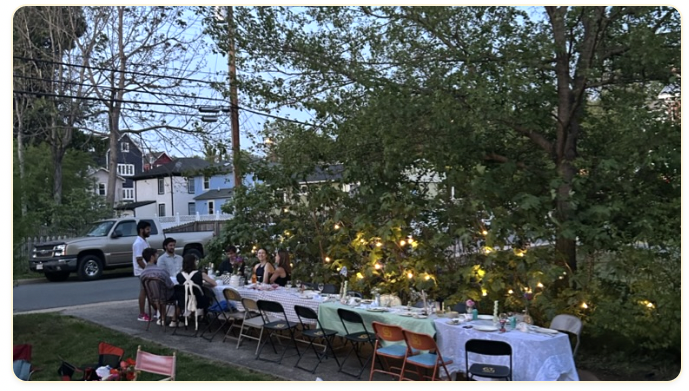
The pilot distributed 30 micro-grants, totaling $4,100, with funding coming from With Neighbors as well as local Falls Church residents. According to the program's final debriefing notes, 26 gatherings had submitted reflection forms, reporting a combined reach of 1,141 neighbors.
The feedback was encouraging. All hosts said they felt more connected to their neighbors after organizing their gatherings. and almost all said they would or might host again.
But the numbers only tell part of the story. Perhaps the most interesting outcome is what happened after people gathered.
For some residents, the grant was the push they needed to finally organize something they had been discussing for years. “The micro-grants were about more than just the money — they were about providing the encouragement, accountability, and permission structure for neighbors to follow through on planning the gathering that so many people are yearning for in their communities,” said Evan Vahouny of Falls Church Forward.
That distinction matters. The financial support helped, but so did the endorsement of an organization encouraging residents to take the initiative. As one host put it during the final debrief: “Give them the opportunity and they will show up.”
The Ripple Effect: When One Gathering Leads to Another
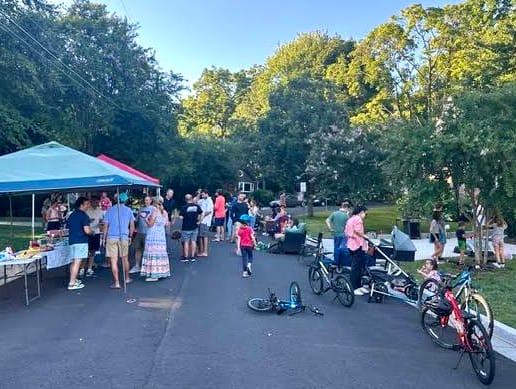
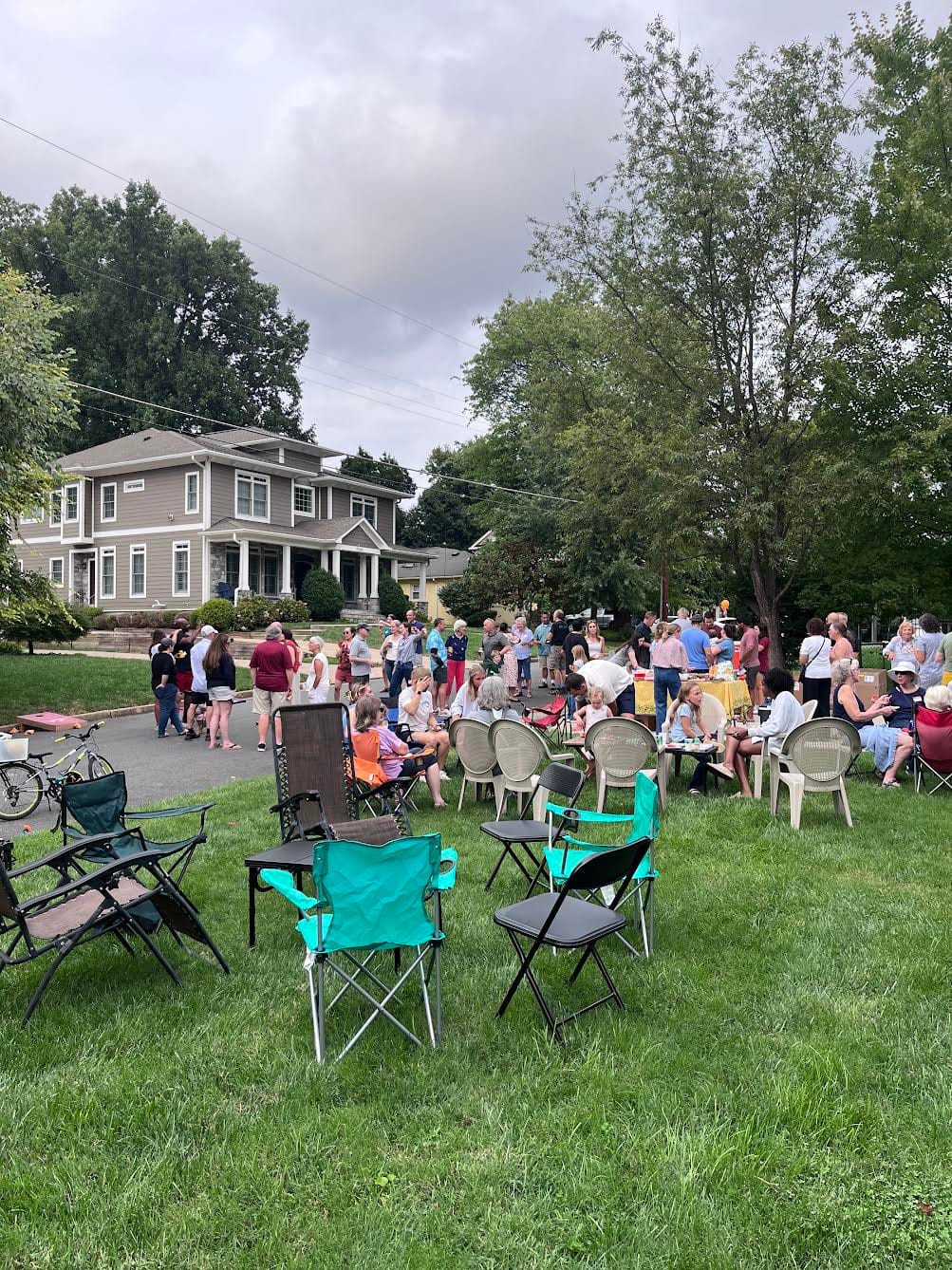
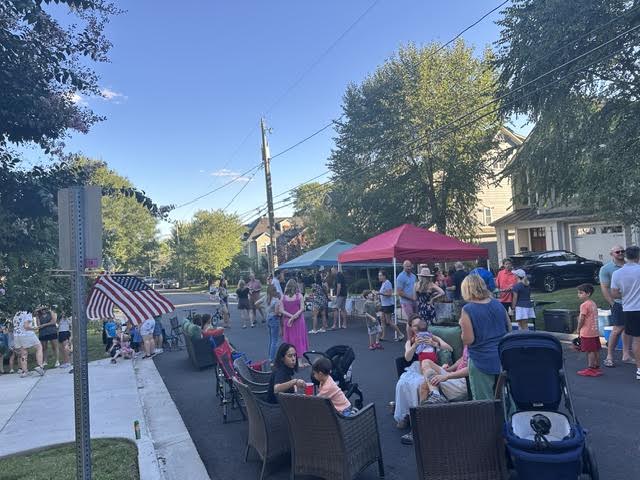
The Virginia Village block party is a good example of how a single event can grow into something more sustainable. The gathering helped residents move beyond simply meeting one another. It sparked the creation of a neighborhood events calendar, with activities planned through the summer, an organizing committee, and a Facebook group to keep people connected.

This was particularly meaningful in a neighborhood experiencing new development, where some residents had been hesitant to participate. Inviting neighbors to help organize the event became a way to build trust and encourage participation.
Other hosts reported similar positive experiences.
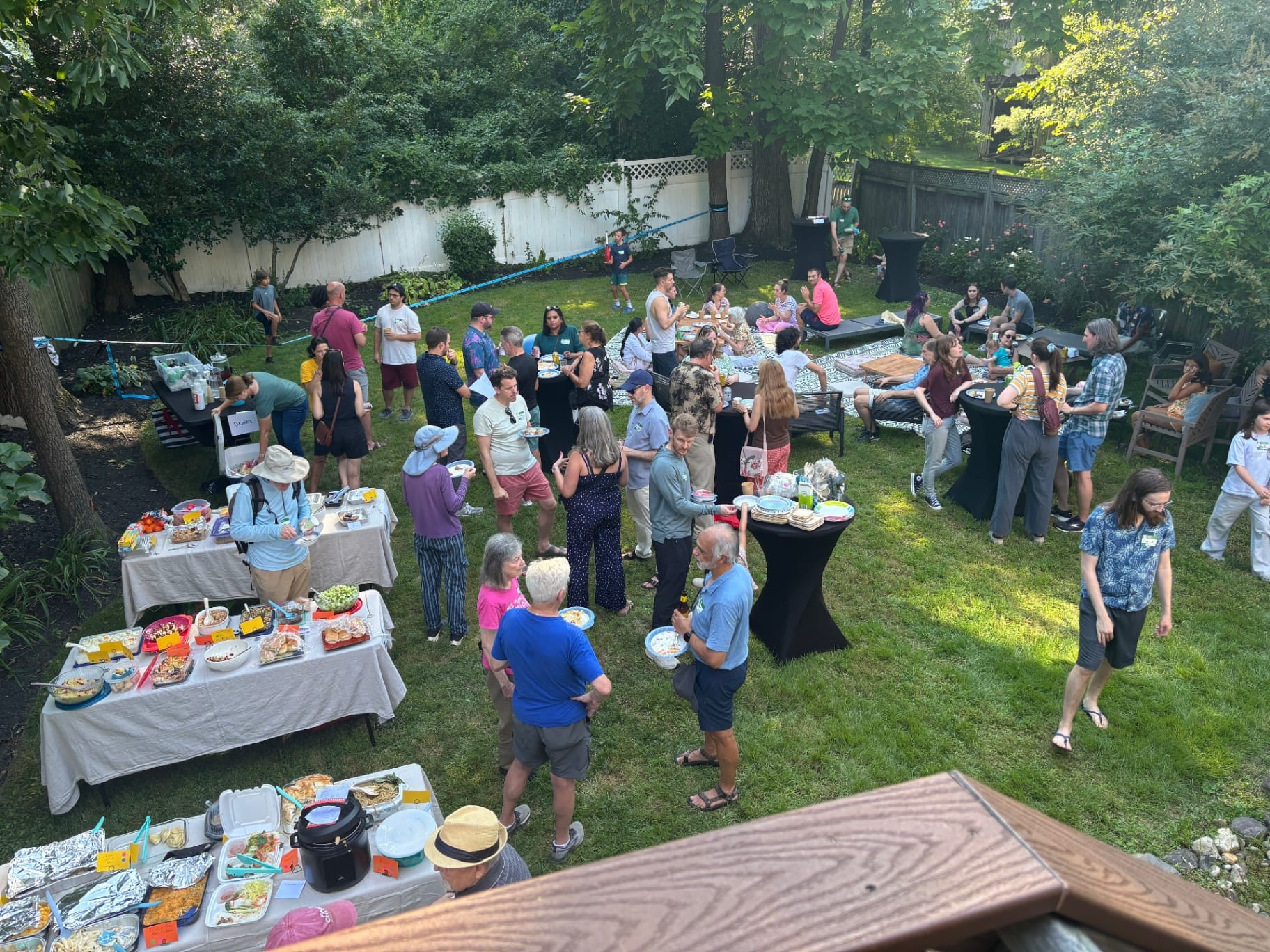
In one apartment building, a brunch was organized to welcome residents who had moved in during the previous six months. Twenty-eight people showed up. Although the building already had several community groups, some residents had not been aware of their existence. The gathering gave people who usually passed one another in the hallways an opportunity to meet and open up. A welcoming committee emerged from the event, and some of the newcomers began attending existing coffee groups.
The connections did not stop there. Just two weeks later, residents organized a Buy Nothing and Item Exchange event that attracted an estimated 80 to 90 people over four hours.
For event host Anna Gallman, one of the most rewarding observations was that people who had previously kept to themselves were now participating in community activities. Some did not want to leave.
"Community is a powerful word," Gallman said. "To me, it starts with ‘Come share a meal,’ and grows every time someone asks, ‘What can I bring?’ FCF’s mini-grant helped me bring neighbors around the same table, and having FCF’s name behind the invitation gave it weight. The first meal gave us a chance to meet. Coming together again and again gives us a chance to know one another. And when neighbors bring a dish or lend a hand, it goes from a gathering I planned to a tradition we’re building together."
Another host organized a block party on a cul-de-sac, bringing approximately 50 people together for a potluck. As residents began setting up, neighbors who had not been involved in the planning came out with extra tents and offered to help.
The gathering also brought together people who did not necessarily share the same social circles. Families with children tended to connect at school bus stops and playgrounds, while retirees sometimes felt less included in neighborhood life. The block party created an opportunity for these groups to meet.
Not every gathering needs to be a large event. One resident planned a coffee and doughnut morning for a community of approximately 13 townhome residents. When rain forced the gathering indoors, she opened her home instead. “No matter how small the space was, it was still enough to host,” the organizer reflected.
Other residents experimented with different formats. One organized a two-part gathering, starting with walking tacos and playground time at Big Chimneys Park, followed by a dessert potluck in the adjacent parking lot. The two locations attracted different combinations of neighbors, young and old, new and longtime residents.
The common thread was not the format, the size, or the budget. It was the opportunity to meet.
Community Building Doesn't Always Happen at Home
There are other ways to create these opportunities, even without a neighborhood association, a block party, or someone willing to open their home.
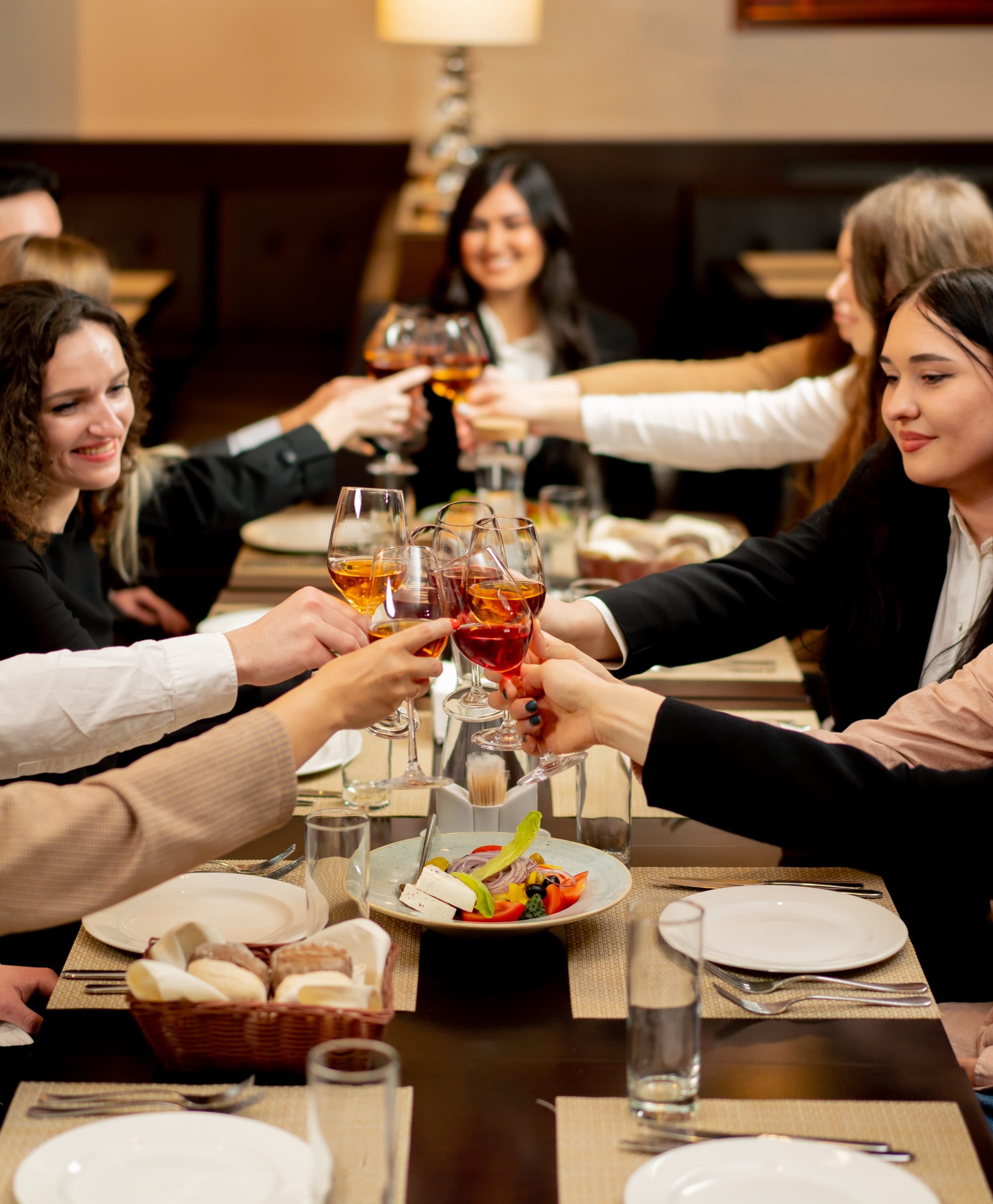
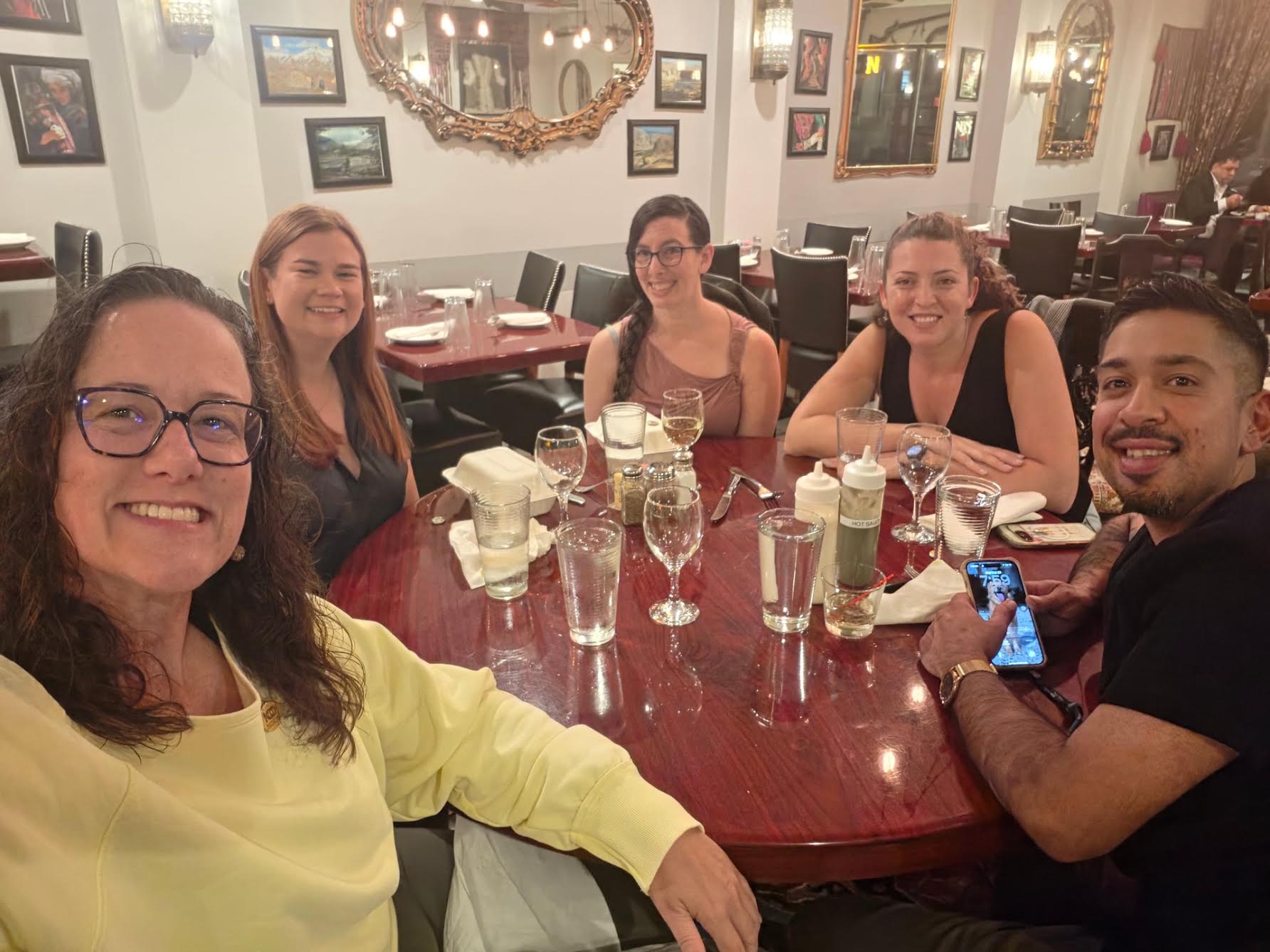
The Little City Dinner Club, for example, invites Falls Church residents to meet over dinner at local restaurants. Groups of six are brought together around a table, with the simple purpose of getting to know their neighbors while supporting local businesses.
At one dinner, two participants discovered they lived in the same neighborhood, just a block apart, without having previously met.
It's a different approach to the same challenge: creating the conditions for people to connect. It also brings an additional benefit by encouraging residents to explore and support the city's local restaurants.
Whether over coffee, at a neighborhood potluck, or around a restaurant table, community building can take many forms.
From One-time Events to a Culture of Connection
Perhaps the biggest opportunity emerging from the pilot is how to move from individual gatherings to ongoing neighborhood activities.
The experiences shared by hosts suggest that micro-grants can serve as a starting point for something bigger: a network of residents who regularly bring their neighbors together.
Building on the Micro-Grants Initiative
Falls Church Forward is exploring how to build on the initiative, potentially through another round of funding, opportunities for hosts to learn from one another, and practical resources such as a Community Building 101 workshop or a simple guide for organizing neighborhood events.
There is also an opportunity to connect residents who have already taken the initiative. Some hosts expressed interest in helping others organize their first gatherings, sharing what worked, and collaborating on future activities.
The pilot offers an encouraging starting point, but it's not a complete solution. Small grants alone cannot guarantee lasting relationships or participation. The challenge is to sustain the momentum, reach residents who've not yet participated, and make it easier for more people to take ownership of community life.
Still, the experience offers a useful lesson: people do not necessarily need a complicated program or a large budget to start building connections. Sometimes they need a little encouragement, a reason to invite someone over, and the reassurance that others will show up.
Weaving a Stronger Social Fabric, One Neighbor at a Time
Building community doesn't necessarily mean creating another organization, joining another committee, or adding another commitment to an already busy calendar. It can begin with a conversation, an invitation, or simply introducing yourself to someone you have seen around but never really met.
The microgrant program offers a reminder that people don't necessarily need elaborate programs or large budgets to connect. Sometimes they need a little encouragement, a reason to invite someone over, and the reassurance that others will show up.
Getting to know our neighbors is not just a pleasant social exercise. It's an opportunity to develop a sense of belonging, mutual care, and shared responsibility for the place we call home.
A community's social fabric is not built in a single event. It is woven gradually, through repeated encounters and relationships that make us more willing to show up for one another.
If you're interested in helping make Falls Church a more connected place, consider getting involved with Falls Church Forward. Email: fallschurchforward@gmail.com.
Or start something yourself or with some neighbors. You don't need a grant, a formal association, or a big gathering.
Start by meeting your neighbor!
Belén Quellet is a Freelance Reporter for The Falls Church Independent and the Executive Director of The Learning Quest at 200 N. Maple Ave. in the City of Falls Church. She is also the founder of Little City Dinner Club.


Member discussion