
Tears on The Last Day of Summer Camp: ‘A Purposeful Day’ in Action
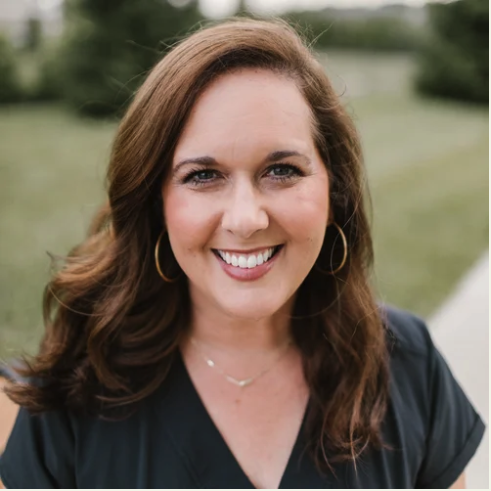
I was so moved by my visit to Falls Church Presbyterian Church, Friday, July 31, for the last day of “Summer’s Best Week Camp,” held by local nonprofit human services organization ‘A Purposeful Day’ (APD). The group's mission is, “to empower individuals with intellectual and developmental disabilities by providing them with a sense of daily purpose.”
By “offering opportunities for physical, social, emotional, and educational enrichment, emphasizing meaningful contributions to the community through volunteering,” APD has created a joyously bonded community of hundreds of members and volunteers, a portion of whom regularly attend APD’s enriching weekday activities.
But they all view the group’s five-day summer camp as a “capstone” to their many positive experiences throughout the year, APD’s President and Founder, Kate Ashbrook, told us.
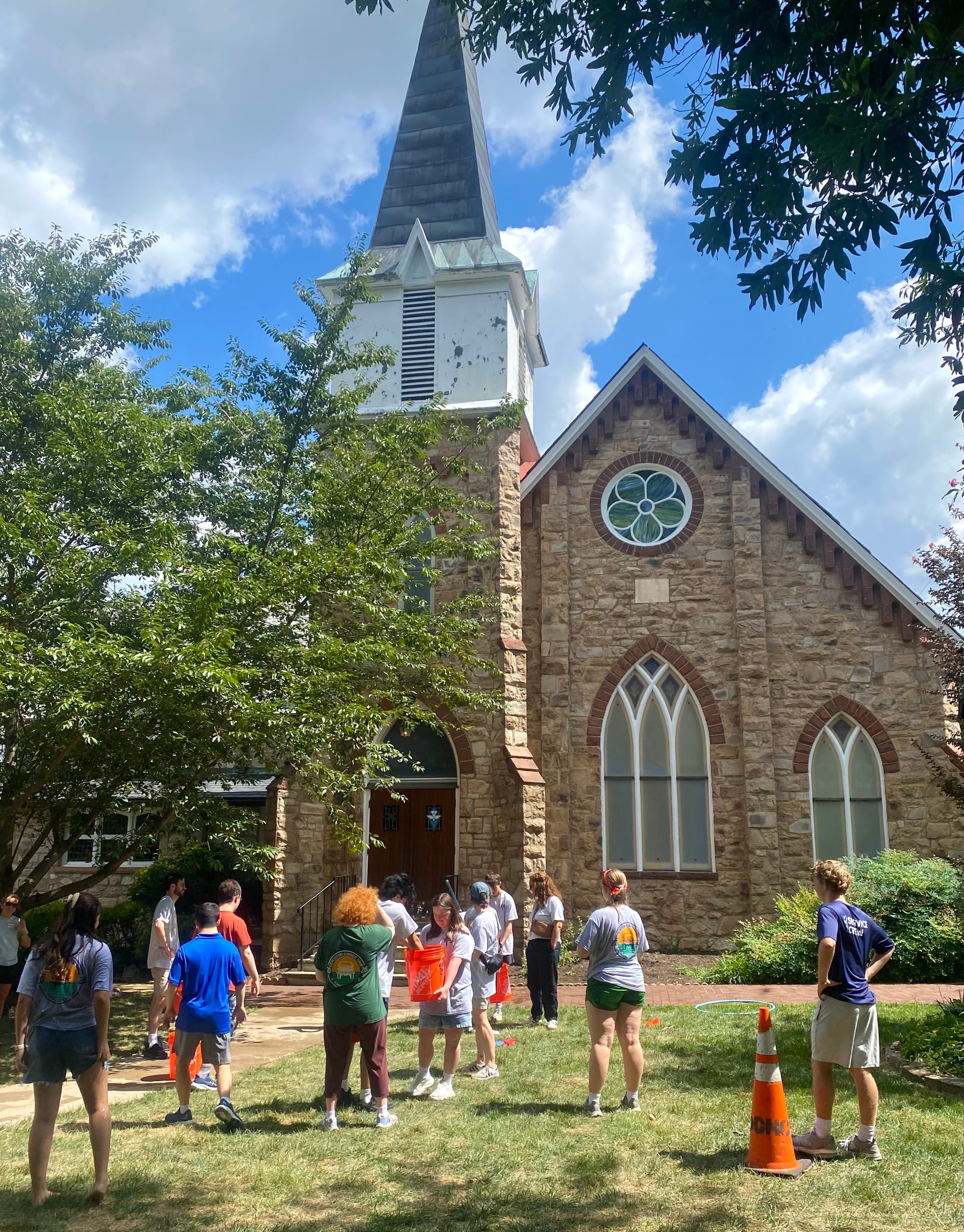
A mother of three daughters, Ashbrook – formerly a speech-language pathologist working in neuro and medical rehabilitation – founded APD in 2022 with the goal of creating “a community that would provide her daughter Abby, with Down syndrome, and others, with “opportunities to grow and connect.” With a network of personal connections in the disability community, Ashbrook “recognized the lack of available and meaningful daily activities for adults with intellectual and developmental disabilities upon completion of schooling.”
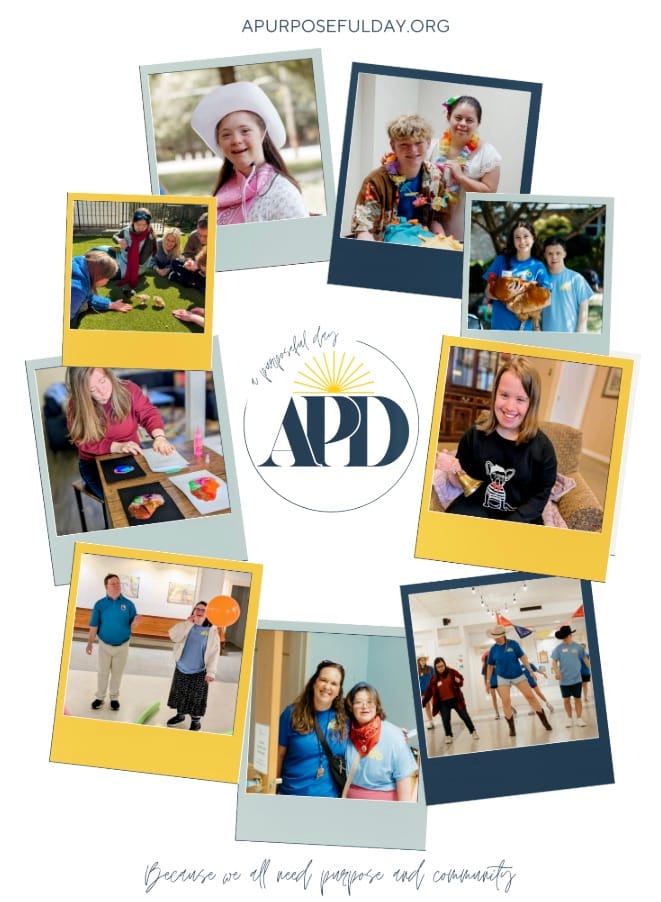
In their weekday activities over the year, students are provided a “range of enriching activities encompassing physical fitness, artistic expression, life skills development, and social engagement,” APD’s website says. “We empower our members to lead fulfilling lives [and] our commitment extends beyond our walls as we volunteer and collaborate with local nonprofit organizations, offering our members meaningful opportunities to contribute to our community.”
During the year, members have volunteered with Falls Church nonproft Homestretch dedicated to serving the homeless and their families. They’ve worked with Share of McLean foodbank. “This week we did Food for Others, and they packed 'power packs,'” that “might have a little breakfast snack or some food that provides some nutrition,” for students, Ashbrook said. Members also serve at the welcoming tables at Falls Church Presbyterian which hosts a dinner twice a week for the food insecure, “and they roll the silverware for their dinners.”
In the fall, APD will have three paid staff, but Ashbrook has never taken pay for her work with the organization, and the rest is done by volunteers. While no nurse is on site for APD’s activities, all of the staff are required to be certified in First Aid and CPR. Members are also accompanied by professional caretakers if necessary.
The City Council has “been nothing but supportive, which is fantastic,” Ashbrook said. “And they’ve come and helped a lot.”
The Camp Tour
During my tour with Ashbrook, signs of joyous community abounded, as did the campers’ tears at the end of their summer camp, designed to “provide enrichment, community and fun through classic summer camp activities for individuals with intellectual and developmental disabilities, ages 18+.”
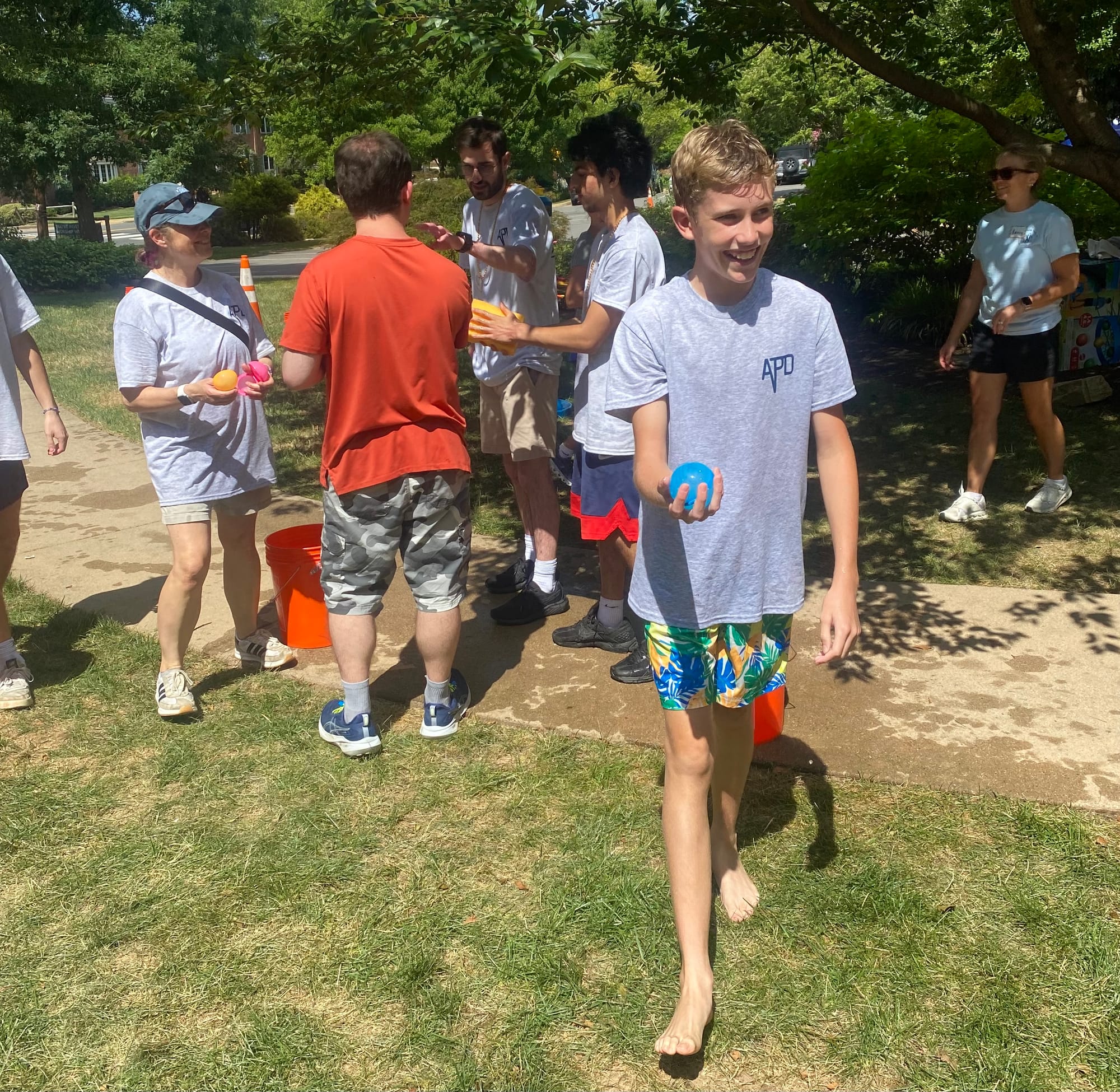
As we toured around outdoors, we watched members toss water balloons at each other under the hot summer sun – some even purposefully pelting Ashbrook. Then we moved from the main hall through the various classrooms in action as we saw campers and young volunteers focused closely on creative enrichment activities, with smiles all around.
The Cliff of Adulthood
For Ashbrook, the support of local parents and the community over the years has been so positive, she wanted to share the joys with others. “We’ve had a wonderful experience in childhood, and I just met more and more families, and with all those supports, right? And everything, everything – the schools – It's just been great. But I know that's not the case for everyone.”
“So as I met families who have adult children with disabilities, they began to tell me about what they call the ‘cliff of adulthood,’ which means, basically, ‘You’re over.’ And then, what is there to do for them?.... Maybe they get a job. But even our members who have jobs work maybe four or eight hours a week. That's a lot of time to fill, right? So I originally thought, ‘Well, maybe I'll start something with employment. Maybe that's it. Yeah.’ But the parents were like, ‘Jobs are great, but there's [already] a lot of good happening in that space. And what they really need is daily purpose and social connections.”
The Theme of Purpose
“‘Purpose’ is our theme then,” Ashbrook said. “And it's so human, right? Everyone needs it. And so that's how we got started. And I had worked professionally in brain injury and stroke rehab as a speech pathologist. So, five years ago – this will be our fifth year coming up – I just said, ‘Well, maybe we'll try this. We'll try.’ So we started with two women. And I recruited a couple friends as volunteers.”
“I wanted something local in Falls Church because the whole idea was that we were building a community, not a program.... And, hopefully, we can empower other communities. When you care about the people in your community, you take care of them, and you help them belong and be a part of it. So I just started reaching out.”
Fundraising Challenges and Successes
“Abby's teacher at the time was a member of the [Falls Church Presbyterian]. And she was like, ‘Why don’t you ask the church?,” Ashbrook said. “And so I started renting space from them. Perfect! And I started with a couple of friends, and now, at camp this week, we serve about 25 campers, and we have about 100 volunteers in and out throughout the week.”
To support the growing effort, APD charges a fee for weekday activities and for the summer camp. But, it’s not enough to cover all the group’s expenses. To rent the space from Falls Church Presbyterian, for example, APD fundraises privately throughout the year. Fortunately, Ashbrook has a grant-writing neighbor to help APD secure some needed funds. There's a link for donations on APD's site which Ashbrook designed herself.
Asked how APD gets the word out about their projects and needs, Ashbrook said, “This community is tight-knit. I’ve never advertised. We've gone to some transition fairs and stuff like that.” But, word-of-mouth, it turns out, spreads APD’s message quite effectively.
The Teen Volunteers
How does APD find all their camp counselors? Are the students signing up to get their community service hours?
“We always joke, because we certainly have teen volunteers who I say were ‘volun-told’ by their parents,’ right?, Ashbrook said with a laugh. But, what I laugh at, is that some of those volunteers have been the ones who are so invested – they come back year after year. And they say, ‘My first year, my mom made me. But now I want to be here. And now this is my third year.’ So, that’s success.”
Teams and Friends
“Everyone’s on a team,” Ashbrook said, as we glanced around at all the displays in the main hall. “We have five teams this year. And, basically, we have so many volunteers this year that every member has a one-to-one person. Plus we have assignments. So they each get a ‘friend’ all week long, which is awesome!”
Exploring and Creating
The theme for this year’s summer camp is “Exploring,” Ashbrook said. “We call it ‘Expedition Summer Camp.’” And every day the campers explore related themes. This year’s themes are: Safari, Ocean, Mountains, Space, and Rainforests. The students did a Summit Talent Show for the Mountains theme. “That was pretty amazing, our first ever talent show, which was incredibly popular,” Ashbrook said. “They also made a Yeti Yearbook…. [And] they’ve done art decorations.” For the Ocean theme, students constructed colorful paper jellyfishes for display. In the main hall, members' art made throughout the year is also proudly shown.
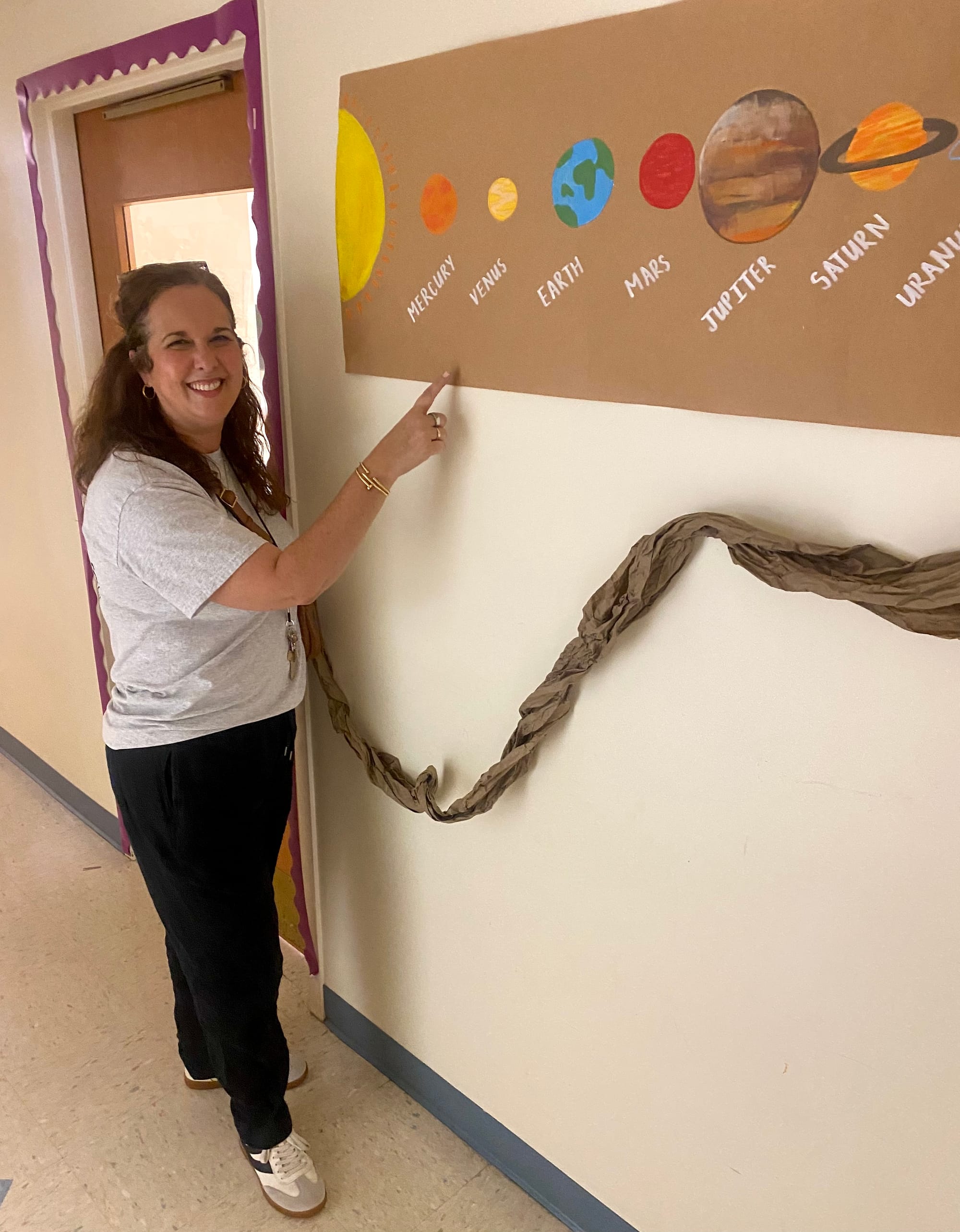
“And this year, we did sort of a postcard campaign where we’re trying to get postcards from all 50 states and all around the world,” Ashbrook said. “So we’ve put out the message. And [City Council member] MaryBeth [Connelly] sent one from her vacation. And we put the cards in an album. And then we launch from that and teach about that place. They get to build a Google slide presentation. And they research it with our volunteers, and then they can present to the group. You know, like ‘What do you know about Mackinac Island? Did you know there are no cars there?"
The Sensory Station
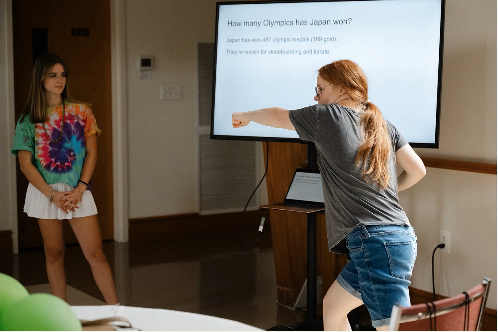
“So this is one of our first stations. This is Sensory,” Ashbrook said as we entered the classroom. “And what's been amazing is we’ve been able to staff each of these with professionals, really. Like, the woman running this video. [Points]. She’s an OT whom I worked with many years ago at Inova. She’s since gone to [work in] the schools, heard about us in a transition meeting for one of her students…. and was like, ‘I know Kate!’ So she's been volunteering, which has been amazing.”
Many of the older volunteers who serve the camp are special education teachers or other teachers, therapists, and others “who are deeply invested in the kids in our community,” Ashbrook said.
As we chatted, we watched several students in the Sensory Station focusing intently on different projects designed for “fine motor and visual motor” enhancement.
Ashbrook led the way walking around the space interacting with the campers, several of whom were holding up their creations. “We have some pigeons,” she said. “Oh, let me see! Did you make that?”
“Yes. I did,” the camper responded. “Very good,” Ashbrook said. “It's a musical instrument,” the camper said. “Thank you for showing me that,” Ashbrook said back cheerfully, as the camper shook the instrument to demonstrate its percussive sounds.
Science Lessons and Fine Motor Skills
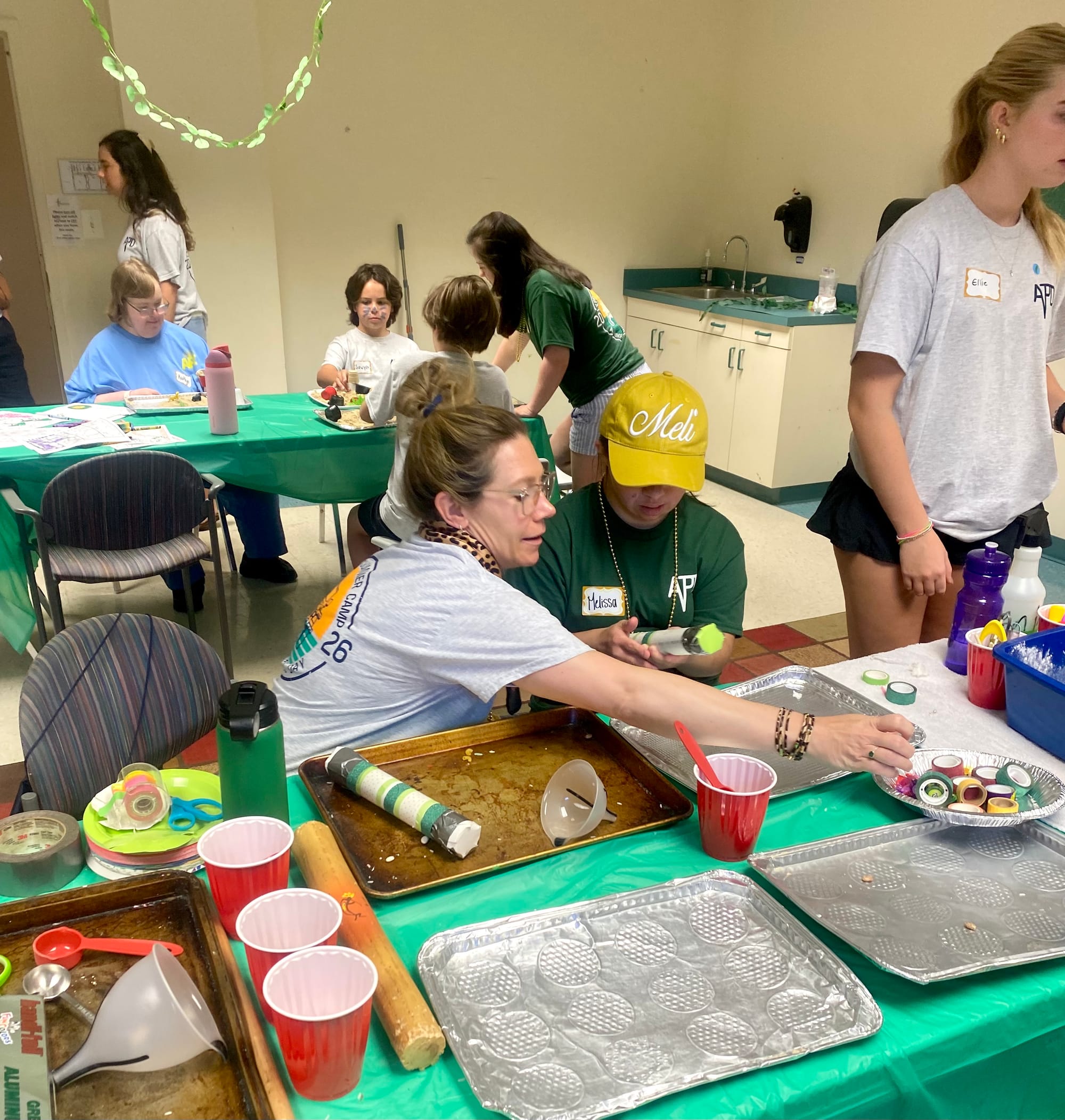
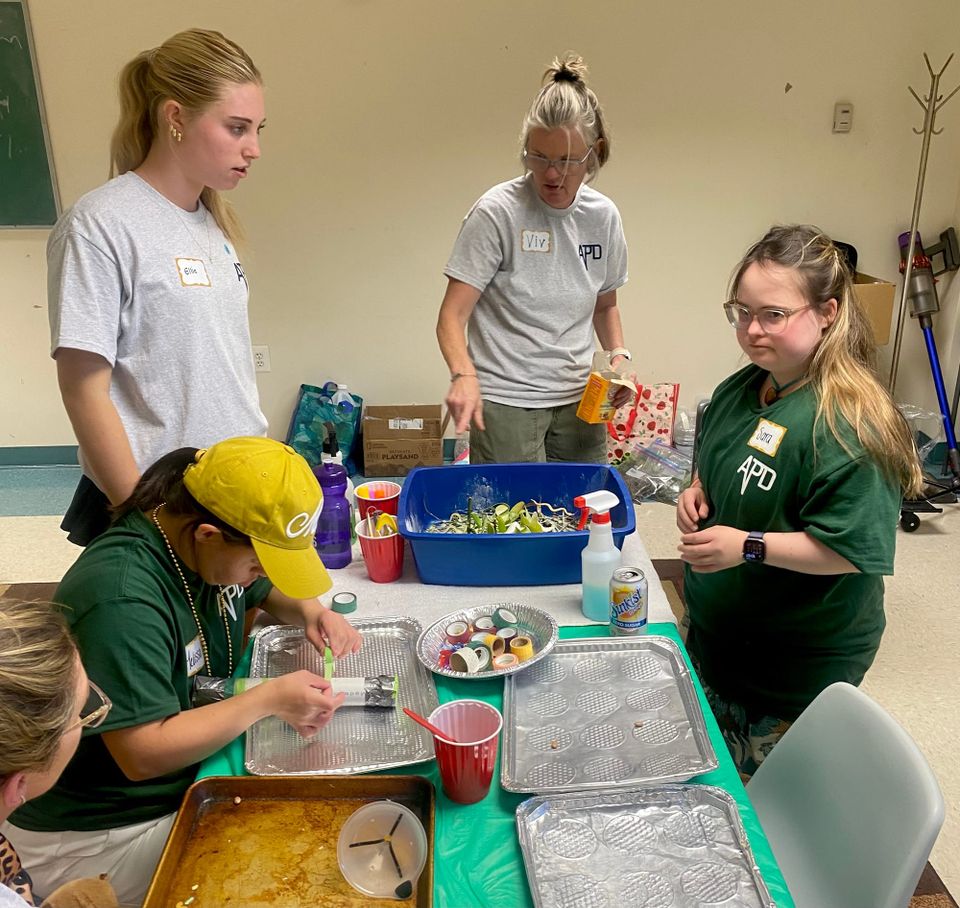
In another part of the classroom, campers were learning about the environmental impacts of acid rain on wildlife, while reinforcing their fine motor skills. Squeezing liquid droppers containing “acid” on little rubber snakes “in the forest” they were encouraged to use particular tools to move items about in their own dioramas.
“Rebecca [a camper], can you show Chris [this writer] our acid rain and snakes? – how we're saving the snakes from the acid rain? Oh, good. Good for you.”
“Come on over,” Ashbrook said, as she waved me forward to look inside Rebecca’s diorama.
“So it's all about different tactile experiences,” Ashbrook said to me. “Fantastic!,” she told Rebecca. “Using our senses – I'm glad you're saving the snakes!,” she said to Rebecca.
“Our poor environment is impacted by acid rain,” Ashbrook said, as one camper looked up from her simulation. “Show us how you make acid rain,” Ashbrook nudged. “Oh, you’re saving the snake instead? So it’s not in trouble? Okay. That’s good too…. Now use your tongs. You got it! Awesome. That was so good,” Ashbrook said supportively.
‘Best Group of Volunteers in the World’
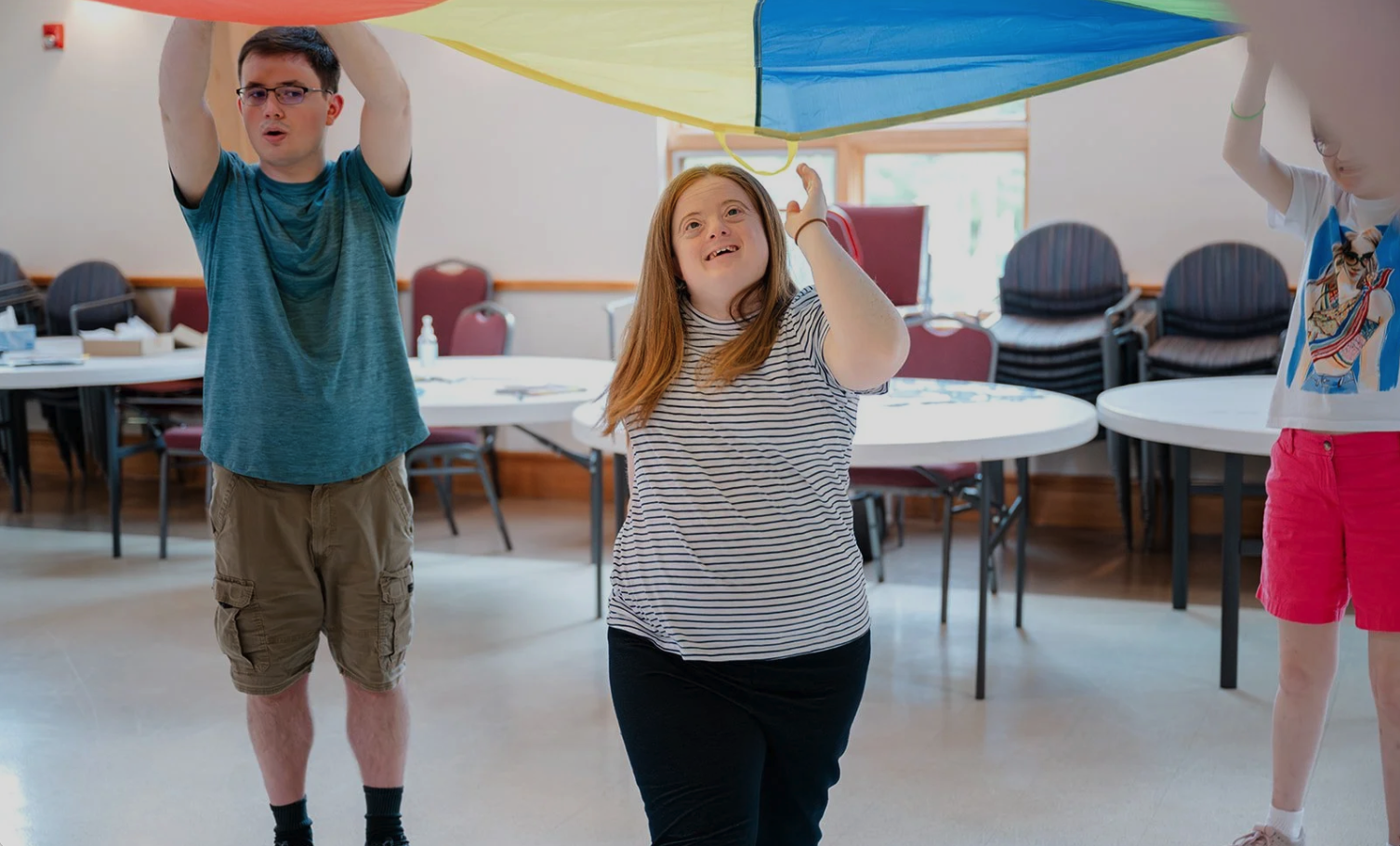
As the campers got up and began moving to their next station, I introduced myself to the OT, Vivian Swingly. “We’re trying to encourage different sensory experiences….. And, actually, it's been working well,” she said. “Some of the campers take a little bit of time to warm up to the idea, but when they see other people doing it – and the young leaders doing it – they do it as well.”
“The young leaders are so amazing…. I mean, my goodness! I’ve been so, so fortunate to have the best group of volunteers in the world.”
Swingly turned to ask the young volunteers how many years they’d been coming to the camp. Two campers said two years, and to another, Swingly said, “Jack’s been here three years, right?…. And Caitlin is saying this is her third year.”
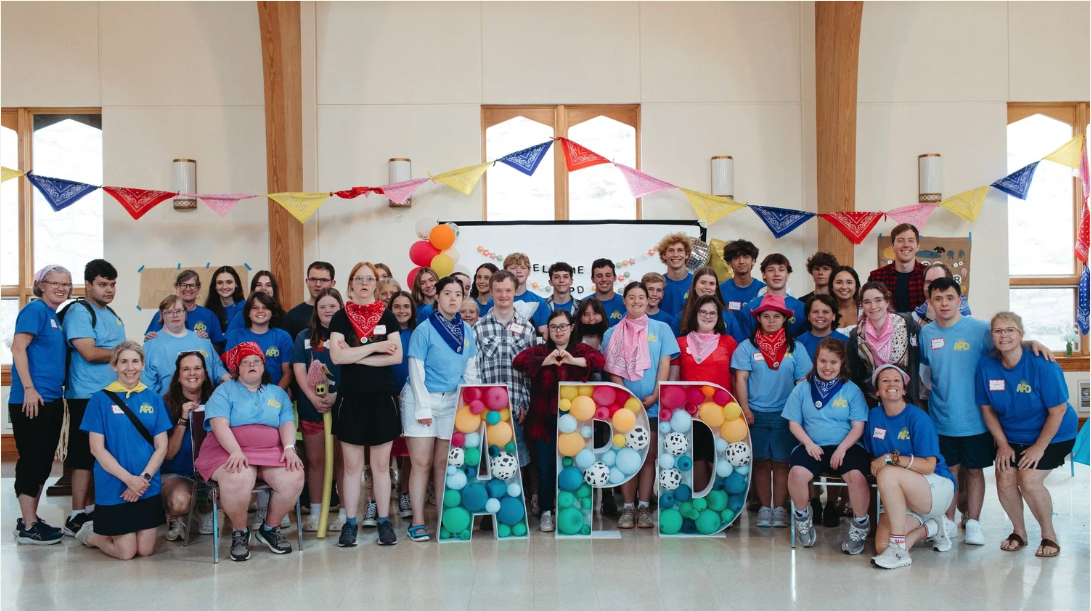
“It’s so heartwarming to see the kids [young volunteers] really invest in helping the [campers], Swingly said. “And working with all these young people, these young volunteers, it just gives you so much hope and positivity. It's truly a big joy.”
“I love A Purposeful Day,” Swingly said. “It's been amazing. I volunteered with my son, Andrew. He’s around here somewhere. We [scheduled] our vacation around making sure we could be here for APD camp…. I think it's the community. The community with the campers, with the volunteers."
A Student Volunteer from the Start
Soon, I was introduced to Margaret Ashbrook, a three-year volunteer and one of Kate Ashbrook’s three daughters. A rising secondary school junior, she’s also co-editor-in-chief of The Lasso, Meridian High School’s acclaimed student newspaper.
“I’ve been helping from the beginning, before we had camp,” Margaret said. “I volunteered a little bit with the day program, but with school, it’s difficult to get here during the year.”
Margaret described how fulfilling the work is. “I really like it. So, I grew up with a sister with disabilities, and I've seen her get left out. And I've seen the dynamics where this is just not a world that’s very welcoming of people with disabilities. It's so awesome to see all these people, especially, like teenagers and young people, go out of their way to make this welcoming environment and to make this a really fun week for a lot of these adults who don't get to have this experience really. So that’s been really awesome.”
“My mom’s been talking about starting this for years and I’m glad she did,” Margaret said. “I had no idea what her vision was, really. So, getting to come here, this is more amazing than anything I ever expected. So I'm so proud of her and all the people who've worked to organize this. It's really awesome.”
Before I could take her photo, Margaret had to run to join her team at the Art Station.
Margaret’s mom, Kate Ashbrook, then found me again. I asked if APD had considered bringing members on a field trip to Paragon Founders Row for their Sensory-Friendly Saturday screenings. “That was actually a conversation we literally just had yesterday about, ‘What are some things we could do during the year?’... Because camp is all here, but during the year we’re out in the community a lot,” she said.
Asked if APD purposefully uses different therapy approaches, such as Art or Music Therapy, Ashbrook said, “I hesitate to say ‘therapeutic, because it’s not like I’m operating as a speech therapist here under my license or anything. But I think you can never separate yourself from your profession…. But, we’re always thinking about what’s great for them cognitively and for communication, and how do we help meet people where they are and support that. And it’s challenging because it’s such a diverse group. But I really think of it as the whole person approach… in the sense of your mental health, your emotional skills, your physical health, your nutrition – all of those things.”
“We have [guest speakers] come in and that’s been great too. You know, we've had a counselor come talk about, ‘How do you identify your feelings?’ and, ‘What do you do with those feelings?,' because that's difficult for all of us. Or, ‘What do you know about conflict?,’ Or, maybe a sibling has left the house. Or maybe you want some things that aren’t in your life. But if you have limited verbal skills, it’s very difficult…. And these are adults. So how do you navigate that?.... And there is the problem of lack of inhibition as well. But, it’s doable. It just takes creativity…”
A Theater Teacher Volunteers
In another classroom Ashbrook introduced me to Meridian H.S.’s theater teacher, Lisa Gross, a volunteer. “This is the highlight and I love this work so much,” she said. “And I’m sad today’s our last day…. I’ve fought tears off twice already.”
Turns out, teaching improv has been great preparation for Gross’s work with APD. “Because the improv skill set helps our campers wonderfully with processing emotion, right? Thinking on the spot, not being afraid to say something, and then being teased about it. So we talk a lot about 'no judgment' in here. Be yourself and encourage each other to be themselves.' It’s fantastic.”
Gross was leading campers through a “dance party” where she would shout out the name of an animal and the members would “use their own creativity and start to dance like that animal.”
“And then we started one of my favorite activities which is the Complement Activity, where we introduce each camper, we applaud, and then we go around and we share what we really enjoyed about them this week. That is so sweet. And some of the stuff they say is just amazing. It's so genuine.”
Asked how she got involved with APD, Gross said, “So actually, I was very blessed with the fact that I got to teach both kiddos, and then the third one is coming up now. But Kate's kids, Abby and Margaret were both students of mine. So, I got to meet them. And then Kate reached out and asked, 'Hey, are you interested in this?' And from day one, it has changed my life. I love working with this group of people. It’s always changing and it just gives you more perspective and you just appreciate what you have. Be in the moment. Human connection is what it's about.”
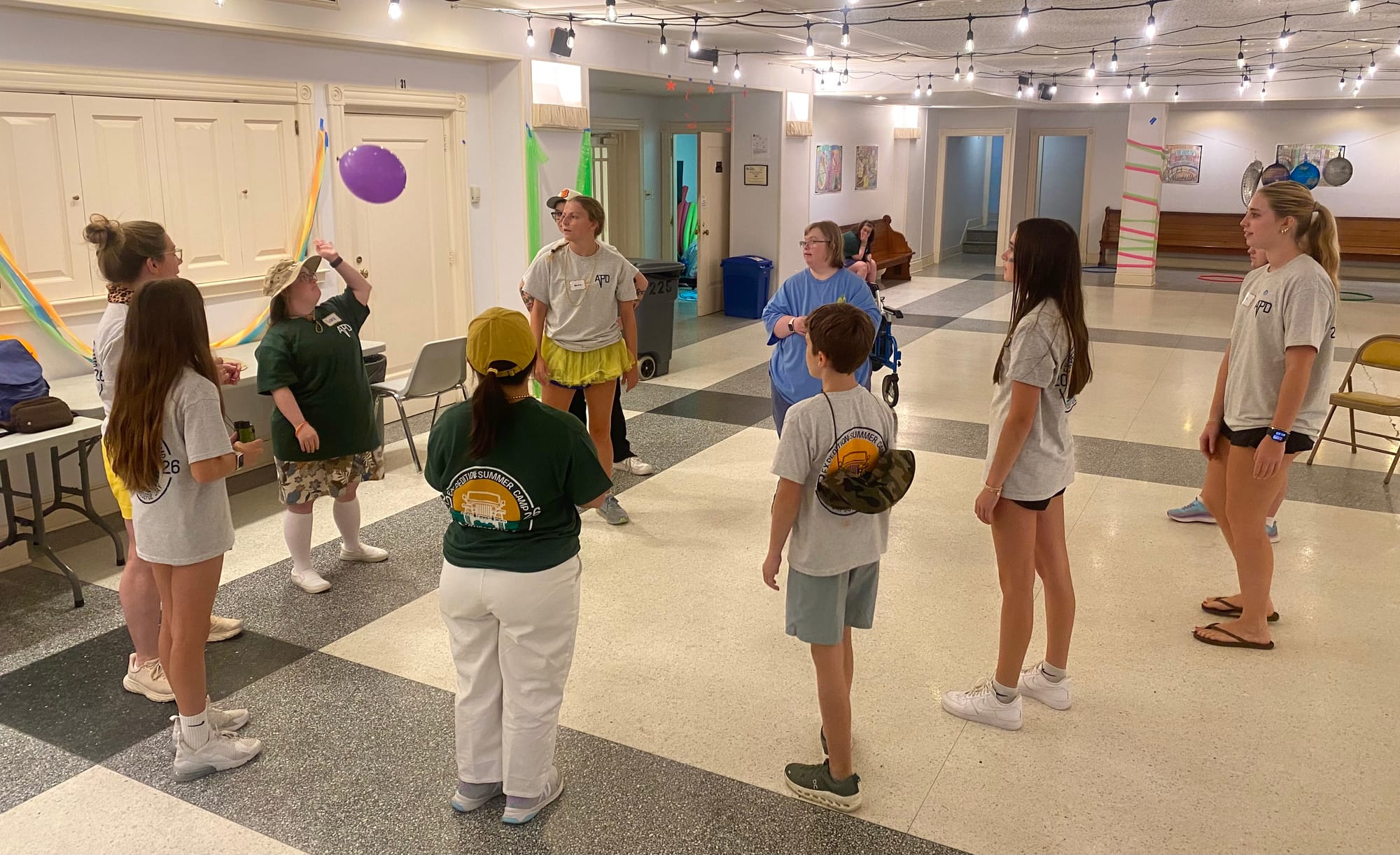
And Gross loves connecting with students-past. “One of our volunteers is a junior at Virginia Tech. And I still have her drawing from sixth grade. So I told her about that and she remembered drawing it. And that’s just another kind of lovely icing on the cake, that I get to work with these kids that I met way long ago or the ones I’m currently working with.”
Gross has been discussing the possibility of members serving as ushers or greeters at some of Meridian’s theater productions.
Meeting the Summer Intern
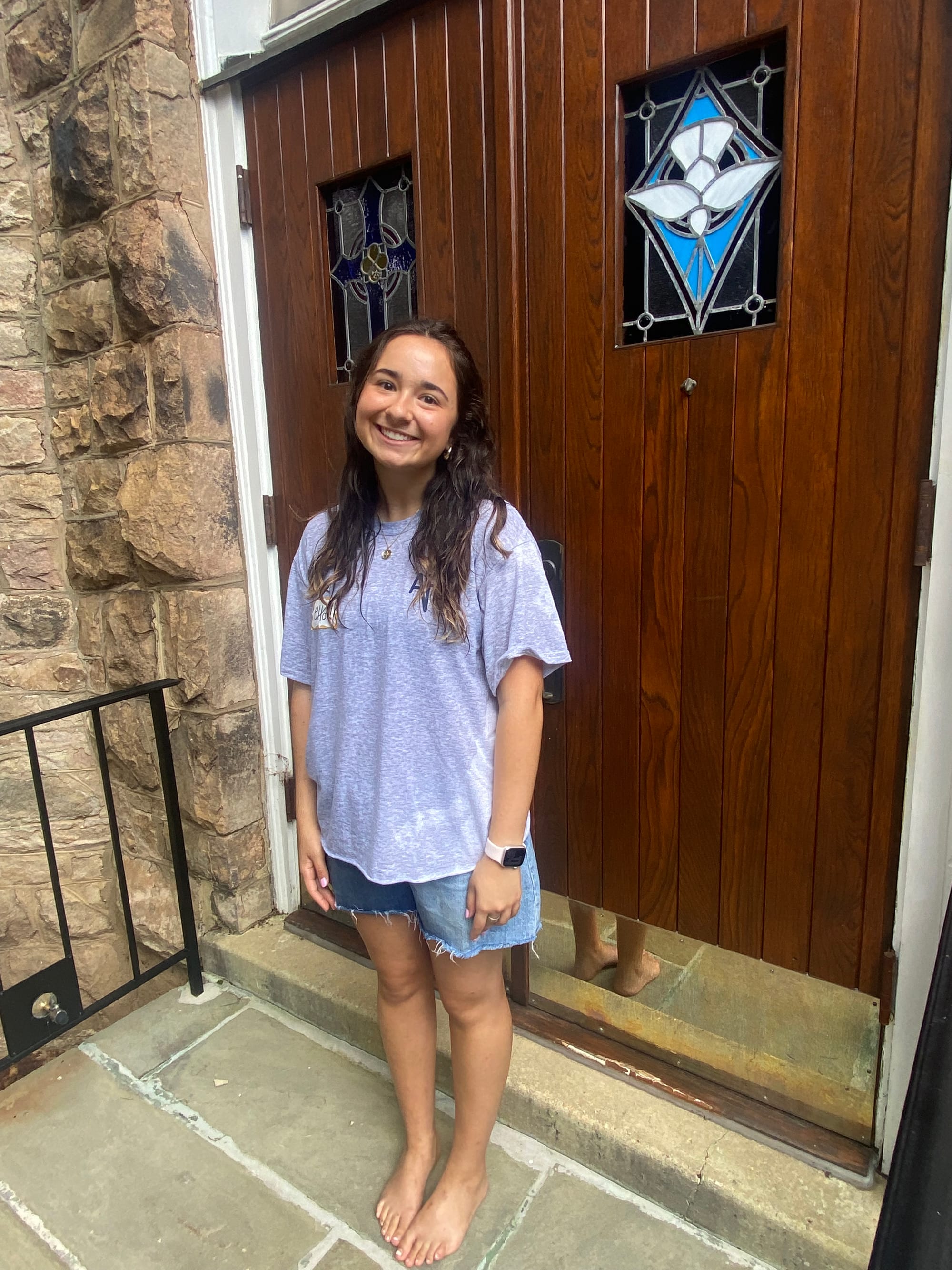
Ashbrook finally introduced me to Summer Intern, Ella Nasr, a rising sophomore at Virginia Tech. “I got involved with A Purposeful Day because of my sister, Linda. She came here as a member," Nasr said. "My parents found out about APD. I have no idea how, but she'd been going as a member, and then they had summer camp and needed volunteers. So that's how I first got started. I started the summer before. It was my first time volunteering. And I had a great time. So I had to come back again.”
“I'm a biology major, and I'm minoring in disability studies. So, a little bit of what I want to do in my future has to do with people with intellectual and developmental disabilities.”
For Ella, volunteering is fulfilling because, "you actively watch community build and you see the different levels of effects. So there's the immediate effect of creating relationships with people with intellectual and developmental disabilities. But then there's the effect on parents, of giving them that, like sense of safety knowing their child or their kid is somewhere that they're included and welcome.”
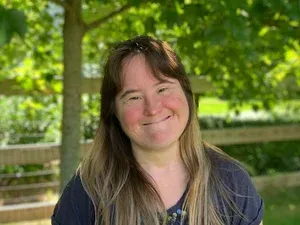
“And we have so many young volunteers and they’re the future, right? And they’re the future employers….. And, that's going to extend even further into their lives, making sure that people with intellectual and developmental disabilities continue to be included in every aspect of our society. I think it's just amazing.”
“We need more places like APD. They've really grown so much in the past few years. And sometimes growth happens a little faster than you can keep up with. So I think the more programs like this there are, the more everyone's just happier and better and the more people open their eyes….”
“You can’t ever do it just once,” Ella said. “You have to come back. It’s the type of thing where you want to come back and there are people relying on you to come back. But, even more than that, it’s personal. Like, I want to come back and be here.”
By Christopher Jones


Member discussion