
Community Looks Beyond Classroom as FCCPS Launches Next Strategic Plan Process
By Belén Quellet,
Falls Church City Public Schools (FCCPS) has begun work on its next Strategic Plan, inviting the entire community to share its thoughts on what the schools should prioritize over the next five years.
"Everyone is invited to get involved, because every voice matters!," FCCPS wrote in its Oct. 13 invitation to the community. "Families, Students, Employees, Community members, Grandparents, we want to hear from you!"
One such opportunity to participate was FCCPS's Oct. 29 Virtual Town Hall. The strategic planning process will continue throughout the year, with the School Board expected to approve a new plan by Spring 2027.
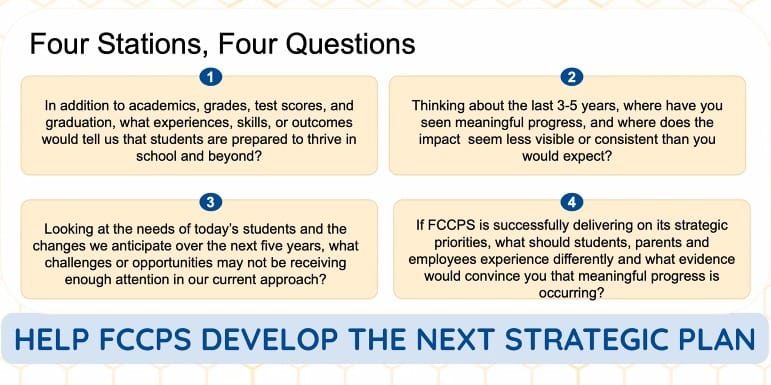
At this virtual gathering, community members came together to reflect on four questions about the future of the school system.
Led by Dr. Nneka Bernard of K12 Coalition, the discussion offered an opportunity not only to share ideas but also to discover how much common ground exists among participants. The level of community engagement was itself noteworthy. The meeting demonstrated FCCPS's commitment to listening and provided a meaningful opportunity to strengthen the connections that make up the school community.
The conversation followed the World Café format, a way to approach collaborative dialogue with some structure, designed to encourage knowledge-sharing, build relationships, and draw on collective intelligence. As Dr Bernard put it, participants were hard at work given the task at hand: to craft young people's hopes and dreams.
Learning Beyond the Classroom
The first question generated the longest and perhaps richest discussion. It invited participants to think beyond traditional definitions of learning and consider how students' experiences could become more connected to the wider community.
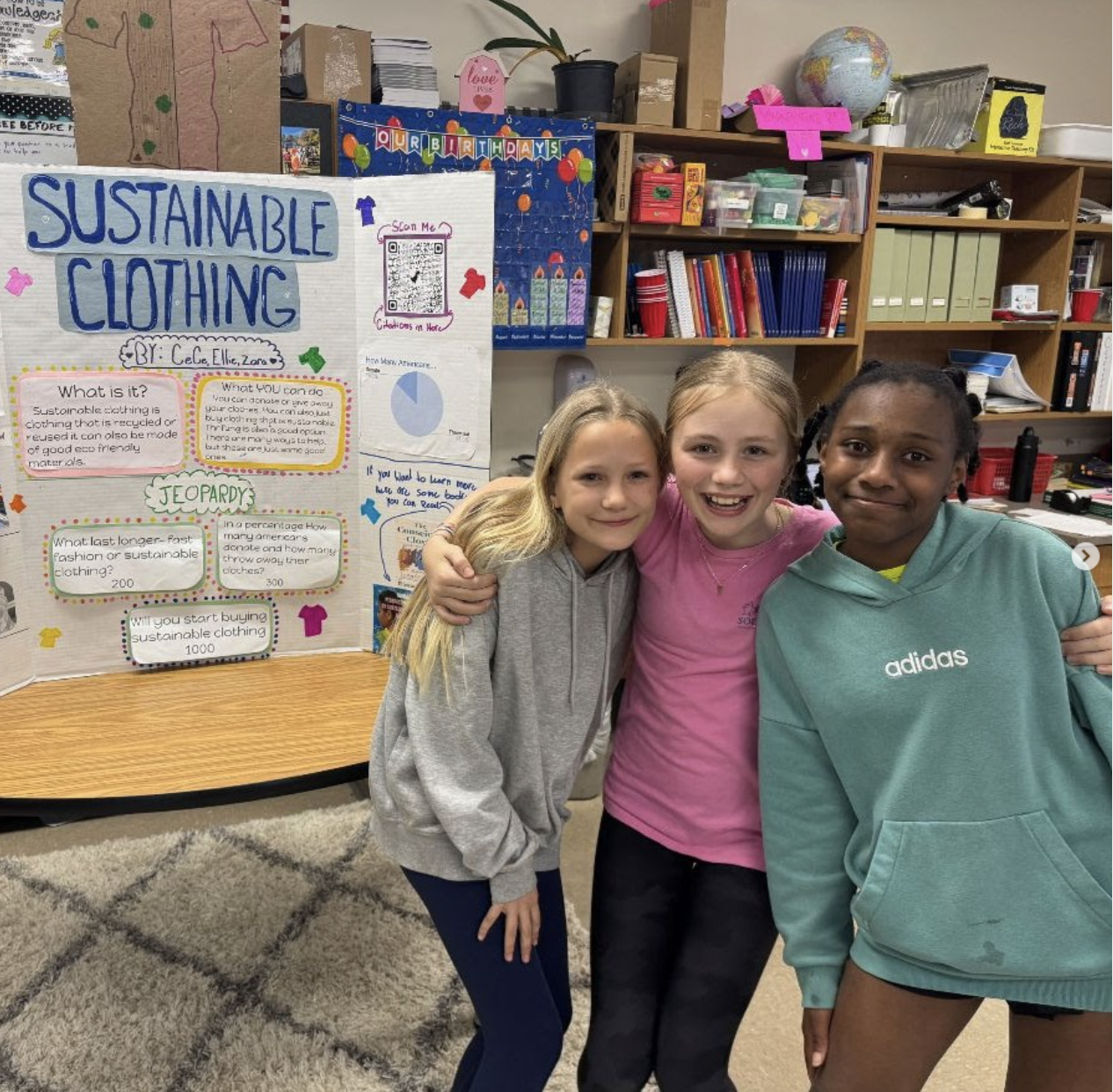
Several parents suggested creating more opportunities for experiential learning outside the classroom. Ideas included engaging students in solving real community problems and even incorporating part-time jobs into their learning journeys, allowing them to gain practical experience and develop skills that might not be easily acquired in school.
These ideas are not entirely new territory for FCCPS. Schools already experiment with community-based learning and student-led initiatives through service-learning projects and passion projects. The Business in Education (BEI) initiative also offers opportunities to strengthen connections between schools and the local business community. These existing efforts could provide a foundation for expanding the ways students learn from and contribute to the community around them.
One parent also pointed to the Active Bystander Training held at the high school as an example of the kind of experience students could benefit from more often. The free, hands-on workshop used role-playing and group exercises to teach participants how to step in when someone is being treated unfairly without making the situation worse. It offered an opportunity to practice skills that go beyond academic knowledge, including empathy, judgment, and the confidence to act.
These suggestions were closely connected to another recurring theme: belonging. Participants expressed a desire for a more intentionally inclusive community, both inside and outside school walls. This also prompted reflection on how schools recognize and celebrate achievement. Could awards and other forms of recognition be reframed to acknowledge different kinds of growth and success? Could students be given more agency in celebrating their own accomplishments?
The conversation also touched on the importance of self-advocacy. One parent suggested creating opportunities such as open-mic sessions, offering students less scripted ways to express themselves and engage with their community.
Other participants highlighted the need to incorporate emotional intelligence and executive functioning into students' learning experiences, alongside opportunities to develop teamwork and collective decision-making skills.
A Learning Environment Without Walls
Taken together, these ideas point toward a broader understanding of where and how learning happens. Many of the skills participants identified are not necessarily developed within a classroom alone.
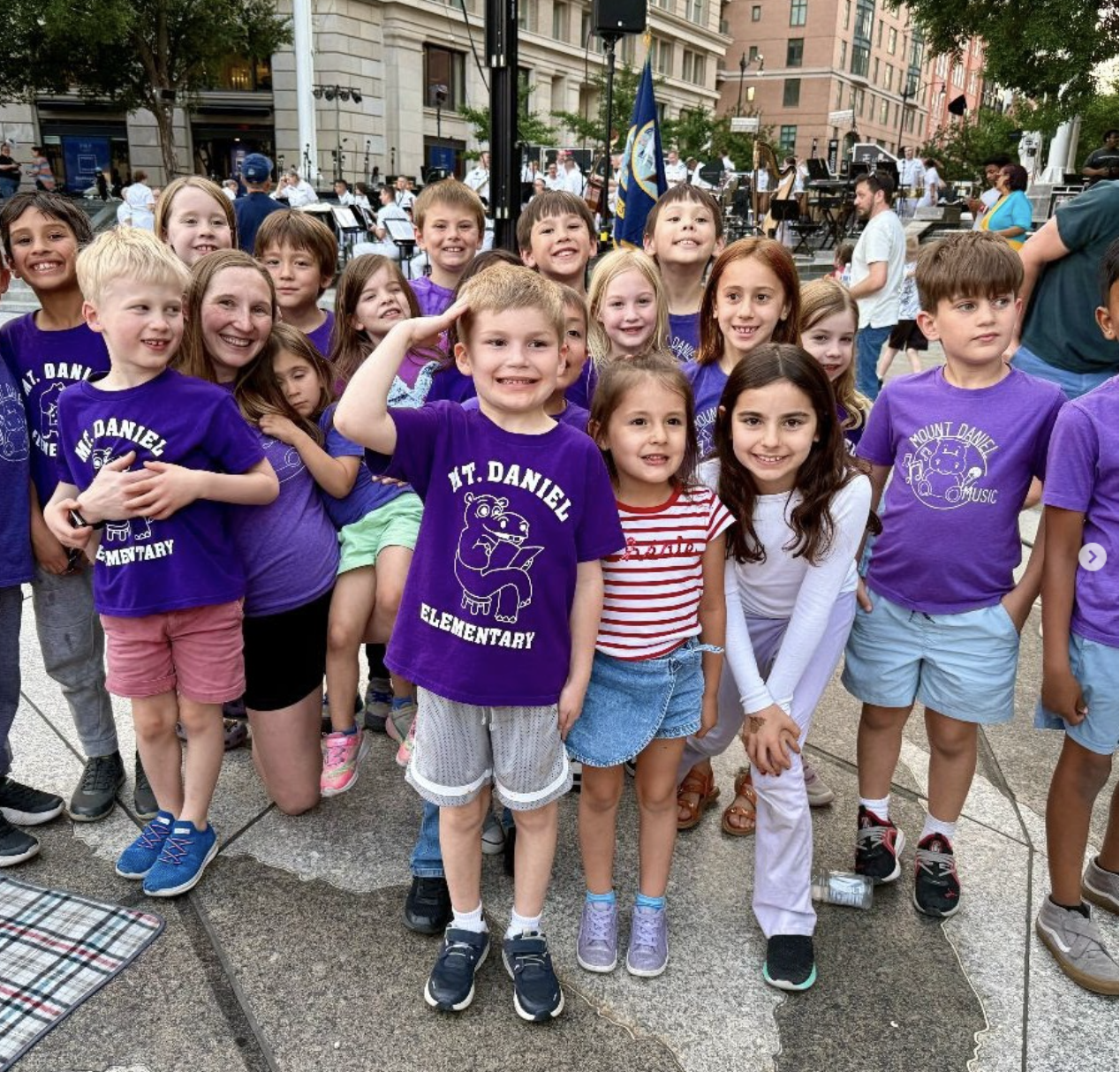
Falls Church has an opportunity to build on the resources already available throughout the Little City. Local businesses, community organizations, public spaces, and other learning hubs could become extensions of the educational experience, creating what might be described as an open-walled learning environment.
Rather than reinventing the wheel, schools could explore ways to connect students with the people, knowledge, and opportunities that already exist in their community.
One challenge raised during the discussion, however, was that nearly all teachers live outside Falls Church City. This raises questions about the structural connection between the schools and the community they serve, and how that relationship might be strengthened.
Fostering a Lifelong Love of Learning
Another important theme was the desire to nurture a genuine love of learning, helping students become lifelong learners who can thrive both in school and beyond it.
Preparing students for the future is becoming increasingly complex. While no one can anticipate exactly what the next five years will bring, participants recognized that change is inevitable and likely to happen faster than we might expect. Developing curiosity, adaptability, and the ability to keep learning may therefore be just as important as preparing students for any particular set of future skills.
Technology Calls for a Deeper Conversation
Technology also emerged as an area where participants wanted more time for meaningful discussion. Artificial intelligence, screen use, and mobile phones were among the issues raised.
The conversation suggested that these questions cannot be addressed by one individual or a single school department. They call for a broader dialogue involving educators, families, students, and the wider community.
Perhaps the most important question underlying this discussion was not simply how schools should manage technology, but how they can create more opportunities for students to have meaningful human interactions.
As FCCPS moves forward with its strategic planning process, the October 29 conversation offered a reminder that the community has much to contribute. Beyond identifying priorities, it opened the door to imagining new ways for schools and the wider Falls Church community to work together in shaping the learning experiences of the next generation, with them.
Input is also being gathered through a Community Survey, which asks for your feedback on possible priority areas as well as what FCCPS should start, stop, or continue prioritizing moving forward. Students, parents, community members, and employees are encouraged to participate. All responses will be kept anonymous and confidential.
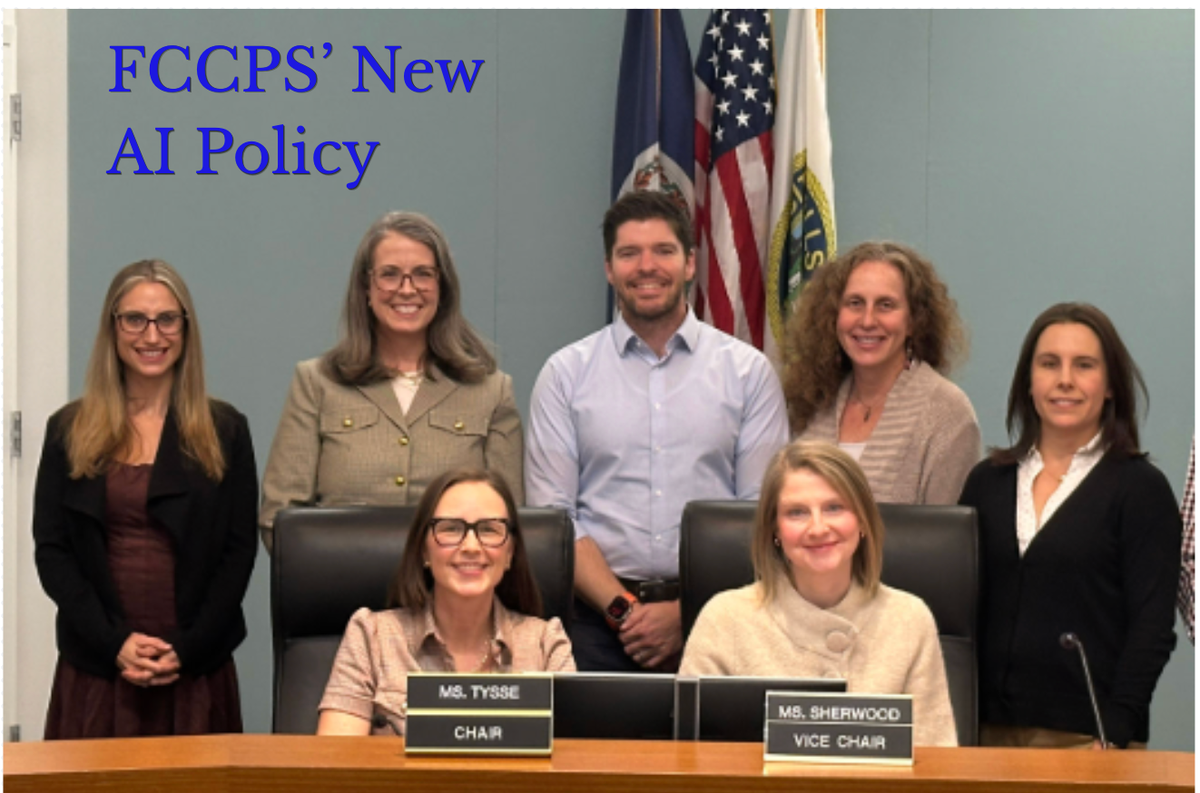
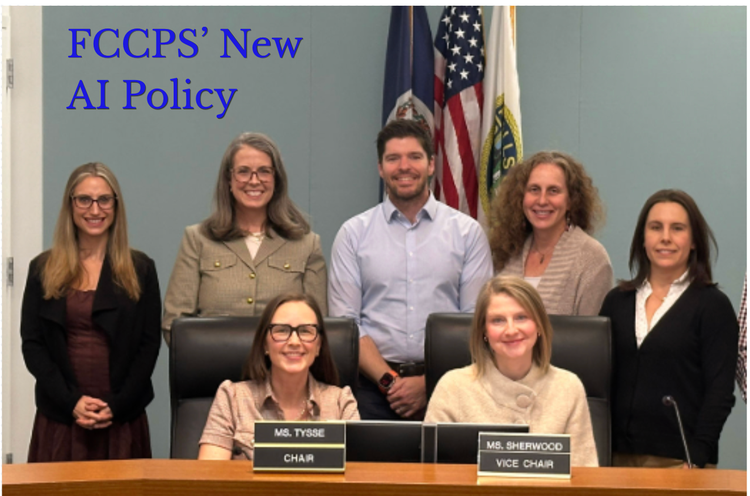
For our recent reporting on FCCPS's new AI Policy, see below:
 Christopher Jones
Belén Quellet is a Freelance Reporter for The Falls Church Independent and the Executive Director of The Learning Quest at 200 N. Maple Ave. in the City of Falls Church.
Member discussion