
F.C. Bulletin: Sept. 3, 2026
1) Editorial: City's New Traffic Roundabout Might Require Some Public Education, Sadly
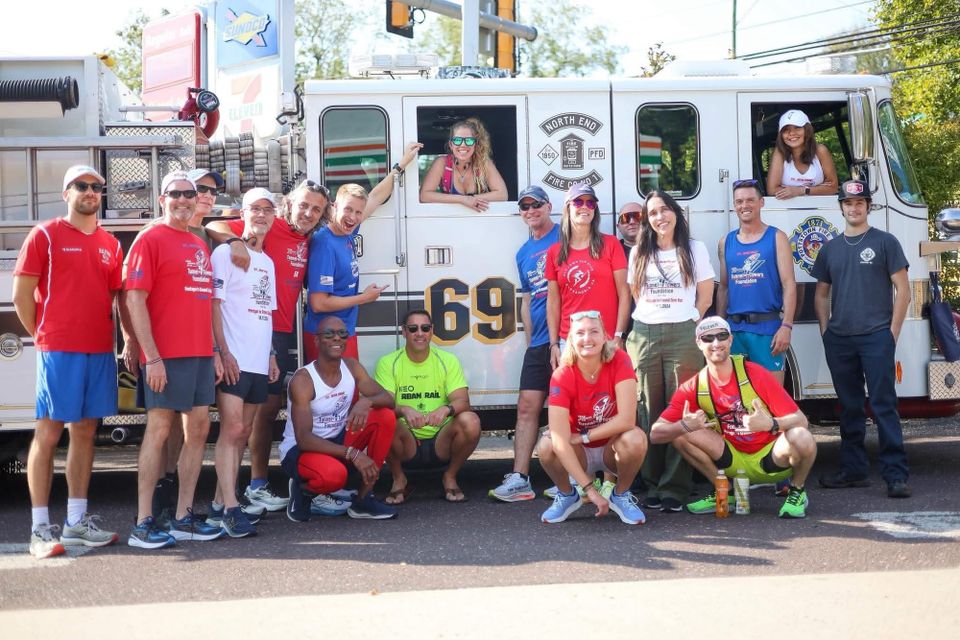
2) 25th Anniversary of 9/11: Old Town Run Club to Pass Through Falls Church Sept. 6, in 485-Mile 'Tunnel to Towers 9/11 Remembrance Rally'
3) Committee on Social Justice for Falls Church & Vicinity: Affordable Housing Position Paper
4) City of Falls Church Releases New Video Highlighting Student Voices in 250 Video Series
5) Notices & Announcements
Editorial: City's New Traffic Roundabout Might Require Some Public Education, Sadly
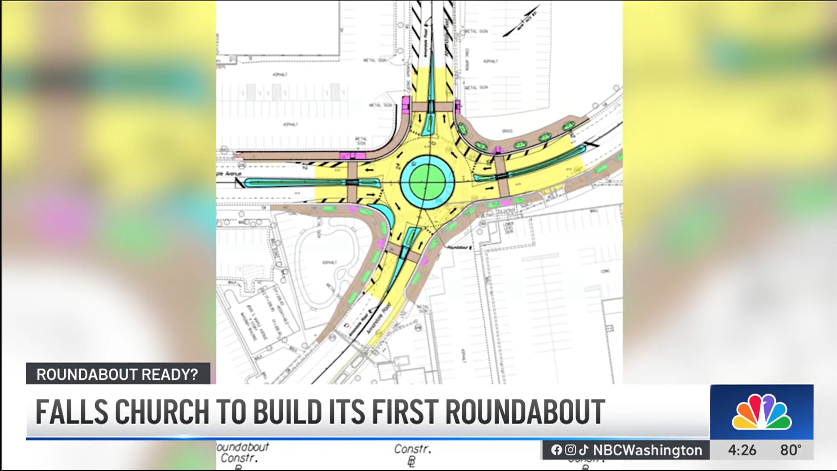
The City's Instagram post Sept. 1 began and ended with exclamation marks!
"⚠️ New Traffic Pattern is in Effect at the Location of the S. Maple Avenue and W. Annandale Road Roundabout ⚠️," @fallschurchgov posted with some alarm.
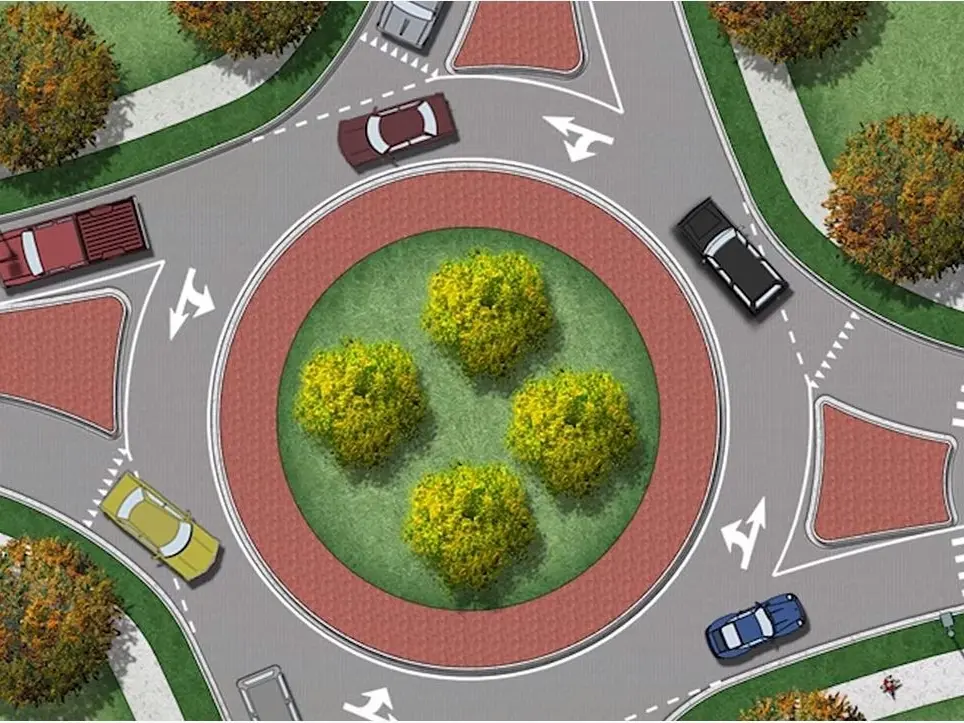
Then followed an embarrassing little primer on how traffic circles – or roundabouts – are actually intended to function:
How roundabouts work:
• Slow down as you approach.
• Yield to traffic already in the circle — they have the right of way.
• Enter when there’s a safe gap.
• Once inside, keep moving around the circle until your exit.
• Watch for pedestrians and cyclists at crosswalks.
Shouldn't there be a mention of the importance of using turning signals as well?
Our Full Support for the Roundabout
Though The Falls Church Independent felt compelled to post a reply with a bit of dad-joke snark, we wanted to ensure our full support for the traffic circle measure. "A rather roundabout explanation!," we jibed, and then revealed we were just kidding. "In certain situations (such as this one) traffic circles are both safer and more efficient. So good work, City of Falls Church!"
Unsurprisingly, however, several of the posts that preceded ours offered the usual whining, moaning, and trolling from naysayers seemingly unfamiliar with why traffic engineers and transportation planners have – for many decades and in many countries – advocated installing roundabouts on particular traffic grid locations in the first place.
"Completely pointless," posted one bot or jerk (can anyone tell anymore?) who has likely never looked into the matter. "I miss when it was the 2000s, even just 2020 honestly, the way this 'little city' is turning into New york [sic] city 2.0 is so counterintuitive I hate what you have done to this community," scrawled another.
Why This Traffic Circle Makes Perfect Sense
Well, it shouldn't take too much painstaking research to comprehend why this particular traffic circle might actually be a good idea – not only for pedestrians and drivers, but for the City of Falls Church.
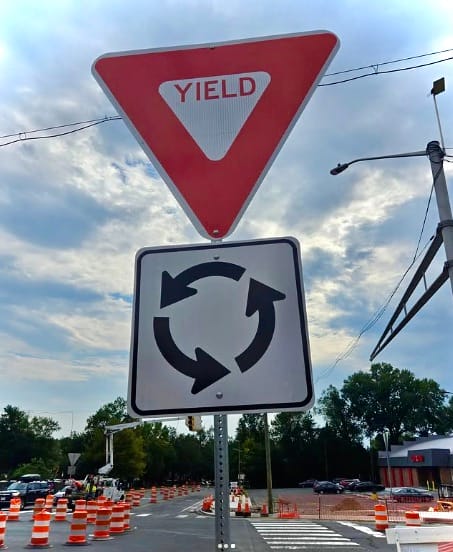
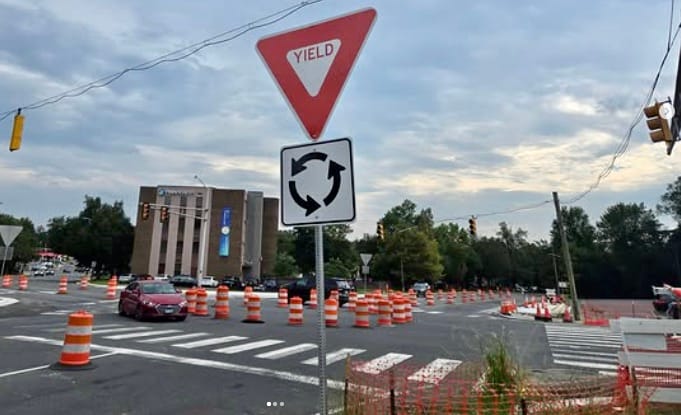
"The City’s first roundabout is moving into its final construction phase," the City posted a few days ago on its website. "As of Monday, August 31, 2026 a new traffic pattern is now in effect at the intersection of S. Maple Avenue and W. Annandale Road. The traffic signals have been turned off and removed. New roundabout and yield signs have been installed. Orange traffic barrels currently mark the shape of the new roundabout while work continues."
And then, another elementary tutorial from the City: "Drivers should slow down as they approach the intersection and yield to any cars already in the circle, as those vehicles have the right-of-way. Once you see a safe gap, enter the roundabout and keep moving counterclockwise until you reach your street, always keeping an eye out for people walking or riding bikes in the crosswalks."
"The contractor will soon be building the center median, installing light poles, paving, and installing new crosswalks. This safety project is expected to be finished by the end of October 2026."
And, Here Are Just a Few of the Benefits:
So, here – in plain language – is why there's going to be a traffic circle across from the Bowling Alley (and notice, this idea has been bandied about for over 20 years!):
"The intersection of South Maple Avenue and Annandale Road was included in the 2005 Comprehensive Plan that studied areas needing improved transportation facilities within the City. A complete redesign of the intersection was suggested, including the conversion of the existing signalized intersection to a roundabout. The redesigned intersection would include full conversion to a roundabout (historically referred to as a traffic circle), that has [bullets added for emphasis]:
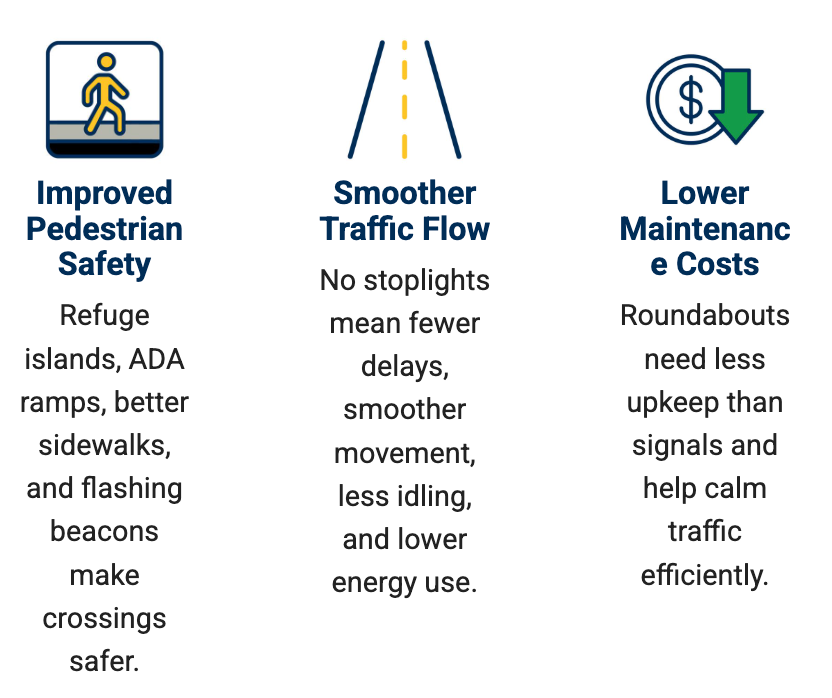
- Improved cross walks with pedestrian refuge islands;
- Rapid rectangular flashing beacons;
- Upgraded sidewalks and ADA accessible ramps;
- Improved intersection lighting;
- Improved vehicular movement with less energy waste;
- Traffic calming effects;
- The roundabout also provides less maintenance over time;
- And will promise [fewer] conflicts between vehicles and pedestrians, making it much safer for pedestrians.
The Case for Safety
But, don't just take the City of Falls Church's word for it. Author of Traffic: Why We Drive The Way We Do, Tom Vanderbilt, described to NPR's Steve Inskeep why Americans' fear of traffic circles is so irrational:
"The classic case of 'risk perception being wrong' in traffic is drivers' anxiety about driving in a traffic circle, or roundabout, as opposed to driving through an intersection with a stoplight. 'People fear roundabouts in America — they've been called 'Circles of Death,' Vanderbilt says. 'And nothing could be further from the truth.' The geometry of a roundabout eliminates one of the most dangerous moves you can make in driving: a left turn against fast-moving oncoming traffic. Also, since traffic circles involve a lot of other drivers and a driver is not relying on signs and symbols, drivers must make their own decisions and be aware of other traffic.'
'If that sounds stressful for drivers, Vanderbilt says a little stress might not be a bad thing. "I think they tend to act more cautiously, which is a positive result,' Vanderbilt says."
In The Case for More Traffic Roundabouts, Priceonomics wrote way back in 2015, that the "roughly 3700 circular traffic intersections in the U.S. are feared, avoided, and even loathed, often without good reason. It seems that every time traffic engineers propose to build a new one, there is protest and uproar." Ten years ago, the UK had 25,000 roundabouts, Australia more than 10,000, and France 32,000.
Priceonomics cited Discover magazine for the reason traffic circles make sense: "Using simple principles of physics, roundabouts dramatically reduce crash rates, as well as injuries and deaths. They diminish vehicle emissions. They are a more effective use of road space, and cost less to maintain than traditional four-way intersections. And it’s time that America learns to love them."
Among transportation planners and road safety engineers, evidence for the comparative safety of roundabouts is a given. "According to data from the International Road Traffic Accident Database, some six million traffic accidents occur each year in the U.S.; of these, 40% happen in intersections. Statistically speaking, intersections (both 4-way, and t-shaped) are deadly places: Based on data collected between 1998 and 2007, 21.5% of all traffic-related deaths, and 44.8% of all traffic-related injuries occur in intersections. On average, 9,000 people die and another 767,000 are injured in intersection collisions every year in the U.S," Pricenomics reports.
"Intersections may be convenient and familiar for drivers, but their inherent design allows for a proliferation of high-speed, high-impact crashes. Utilizing simple physics, roundabouts significantly mitigate these risks," Pricenomics writes. 'Roundabouts are typically built using what’s called ‘negative superelevation,’ meaning that water flows away from the center and also that the road slopes against the direction of a driver’s turn,' Pricenomics reports Tom Vanderbilt saying. "'As a result, any crashes in a roundabout take place at lower speeds and are thus less likely to be fatal… They also eliminate the left turn against oncoming traffic — itself one of the main reasons for intersection danger — as well as the prospect of vehicles running a red light or speeding up as they approach an intersection to ‘beat the light.'”
So, by the very nature of their geometry, roundabouts reduce crashes. "While traditional four-way intersections have 32 possible collision conflict points, roundabouts have only 8.... Interestingly, our fear of roundabouts also plays a role in making them safer: since they are unfamiliar to us, we are wary about entering them and are extra cautious," Vanderbilt continues. "On the other hand, we’re accustomed to intersections, and more likely to take risks when driving through them."
"A 2001 report in the American Journal of Public Health selected 24 intersections that were converted into roundabouts in 8 different states, and analyzed the before and after crash data," Pricenomics continued. ".... Researchers found that, overall, roundabouts reduce all crashes by 38% and reduce injuries by a whopping 76%."
The Case for Reducing Gas Emissions
"....A study by a team of researchers at Kansas State University monitored the emissions of various vehicle pollutants at six sites with varying traffic flow: three intersections and three roundabouts. Twice daily (AM, PM), gas levels were captured and recorded," Pricenomics reported. "The results confirm that cars in roundabouts emit remarkably less pollutants than cars in intersections.
"On average, carbon monoxide emissions decreased by 33%; carbon dioxide (which accounts for far and away the largest percentage of America’s pollution) is reduced by an astounding 46%. Other gasses (nitrogen oxide, and hydrocarbons) are cut by one-third, and one-half, respectively.
"Tom Vanderbilt, an author and traffic expert, explains why:
“Accelerating from a dead stop is the least efficient thing a car’s engine can do. By reducing stop-start queuing — and eliminating it at ‘off-peak times,’ like the moments at 2 a.m. when you’re idling at a red-light at an near-empty intersection — roundabouts not only waste less time than traditional intersections but also less energy, as various studies have confirmed.”
"With roundabouts, vehicle idle time is significantly reduced. Even when there is traffic in a roundabout (which isn’t uncommon during rush hour), they are still less damaging than stoplight intersections, which almost perennially have a queue of cars idling at any given moment. At most times of the day, roundabouts keep cars in constant motion, and eliminate the need to come to a full stop."
According to Rick Hartunian of Living in Greater DC on Instagram, Falls Church's new roundabout "converts a problematic four-way stop into modern infrastructure that could change how we think about traffic flow in Northern Virginia."
"Why do roundabouts work?," Hartunian asks. He bullets-out the following reasons:
- 30-50% improvement in traffic flow vs stop signs;
- 75% reduction in serious traffic accidents;
- Better fuel efficiency (no constant stopping)
- Proven property value benefits;
- Safer for pedestrians with proper design.
"This isn't just about one intersection," Harkunian posts. "Falls Church is also advancing plans for mixed-use development in the Gordon Road Triangle area, similar to successful projects along Route 7. Modern infrastructure supports smart growth and rising property values..... This represents a shift toward modern traffic solutions in NoVA. If successful, we could see more roundabouts replacing outdated intersections throughout the region."
The Cost of the City's New Roundabout
Finally, the City of Falls Church's new roundabout – controversial as it is – will be funded entirely by state and federal grants at approximately $3 million. So, zero City taxpayer dollars are going toward improving residents' health, safety, or improved transportation efficiency in this case.
According to former City Manager Wyatt Shields, the goals of the project are to "improve traffic flow, enhance pedestrian safety, and support the City's long-term vision of a more walkable and connected community," the Falls Church News-Press reported July 30, 2025. "This project reflects our commitment to building safer, more efficient streets that work for everyone — drivers, pedestrians, cyclists, and transit users,” Shields told the FCNP. “The new roundabout will not only improve safety and reduce congestion, but also serve as a gateway to our vibrant downtown area.”
We know you can do it, local drivers! Just keep your eyes out for others, merge carefully, and use your turn signals!
25th Anniversary of 9/11: Old Town Run Club Holds 'Tunnel to Towers 9/11 Remembrance Rally,' Arrive in F.C. Sept 6
By Old Town Run Club,
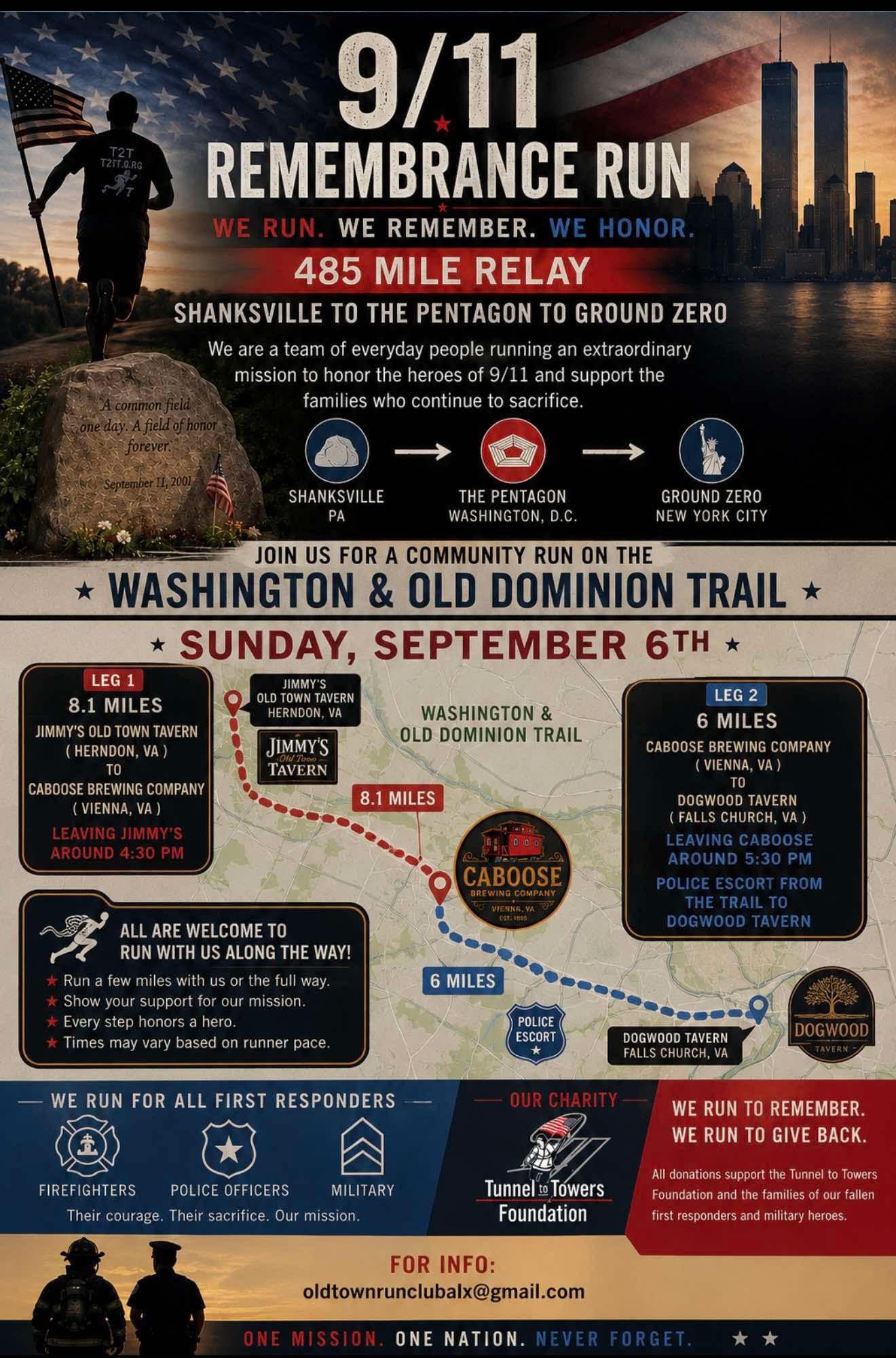
We’re honored to be running through the Falls Church community as part of our 485-mile Tunnel to Towers 9/11 Remembrance Relay, carrying the American flag from the Flight 93 National Memorial in Shanksville, Pennsylvania, to the Pentagon, and ultimately to Ground Zero in New York City.
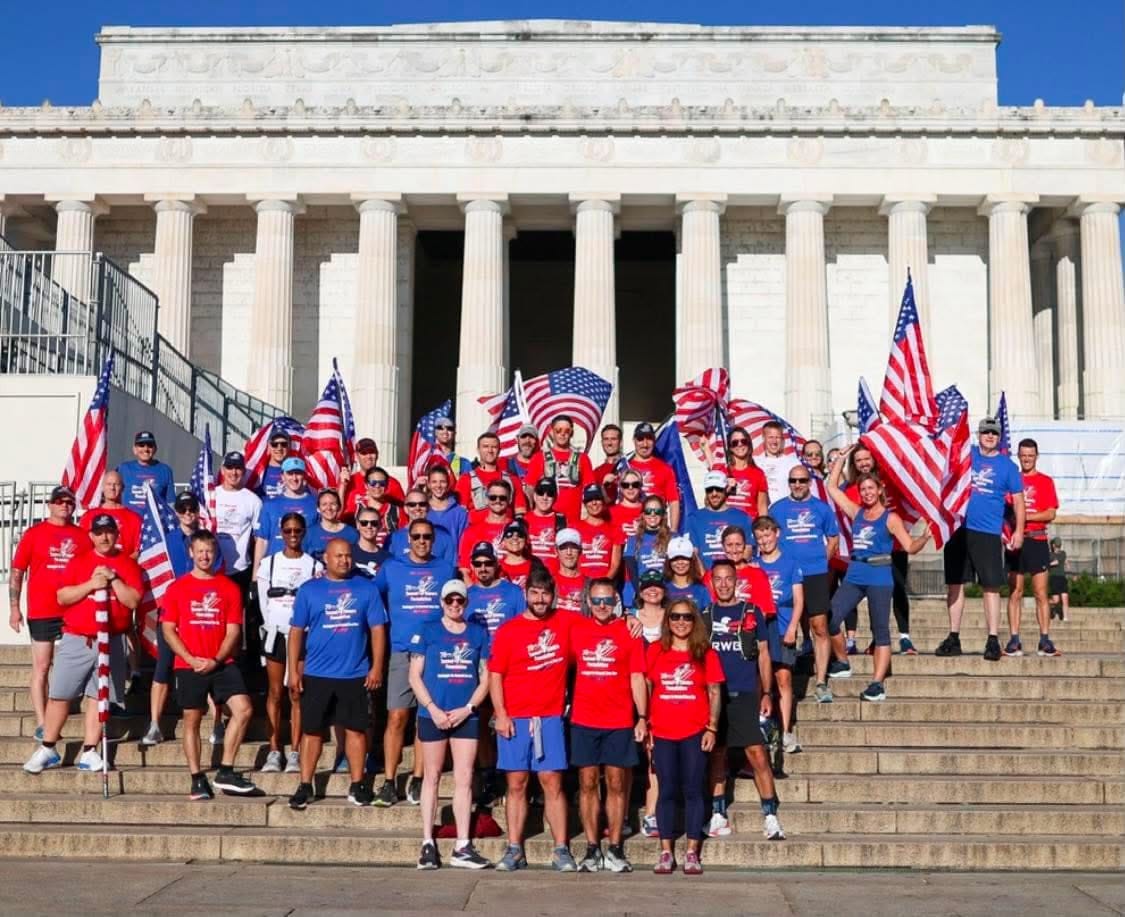
This year’s relay is especially meaningful as we commemorate the 25th anniversary of September 11th while also celebrating America’s 250th anniversary. Our team of approximately 45 runners will be making this journey to honor the lives lost on 9/11, our military, veterans, and the first responders who continue to sacrifice for our country every day.
We are scheduled to arrive in Falls Church on Sunday, September 6th, where we will be stopping at Dogwood Tavern to exchange runners before continuing our journey toward the Pentagon. As our runners enter Falls Church, we will be escorted by the Falls Church Police Department for a portion of our route, making this one of the most memorable stops along the relay. We’re also honored that the Mayor of Falls Church is expected to join us at Dogwood Tavern to welcome our runners.
We would love to invite your news team to cover this meaningful stop and share the story of what the Falls Church community is doing to support this special tribute. This is an opportunity to highlight local businesses, community leaders, residents, and first responders who are helping honor the heroes of September 11th and support the mission of the Tunnel to Towers Foundation.
Having local media present would help showcase the powerful message behind this relay — the importance of remembering those who lost their lives, honoring the brave men and women who responded that day, and recognizing the first responders who continue to serve our communities today.
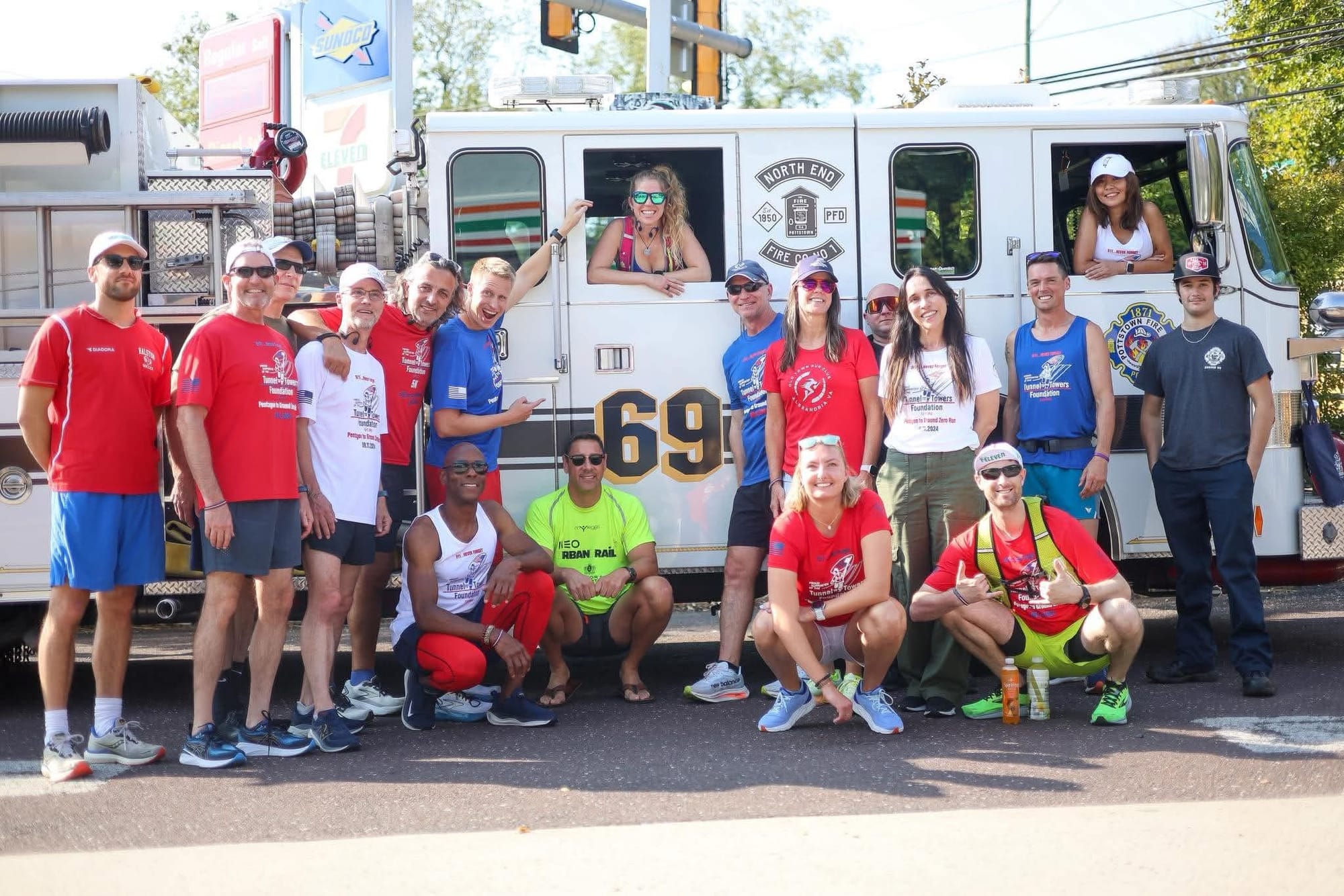
The sight of approximately 45 runners carrying the American flag, being escorted into Falls Church by local police, and welcomed by the mayor and community members at Dogwood Tavern is a powerful reminder that the spirit of unity, service, and patriotism that brought our country together after 9/11 remains strong.
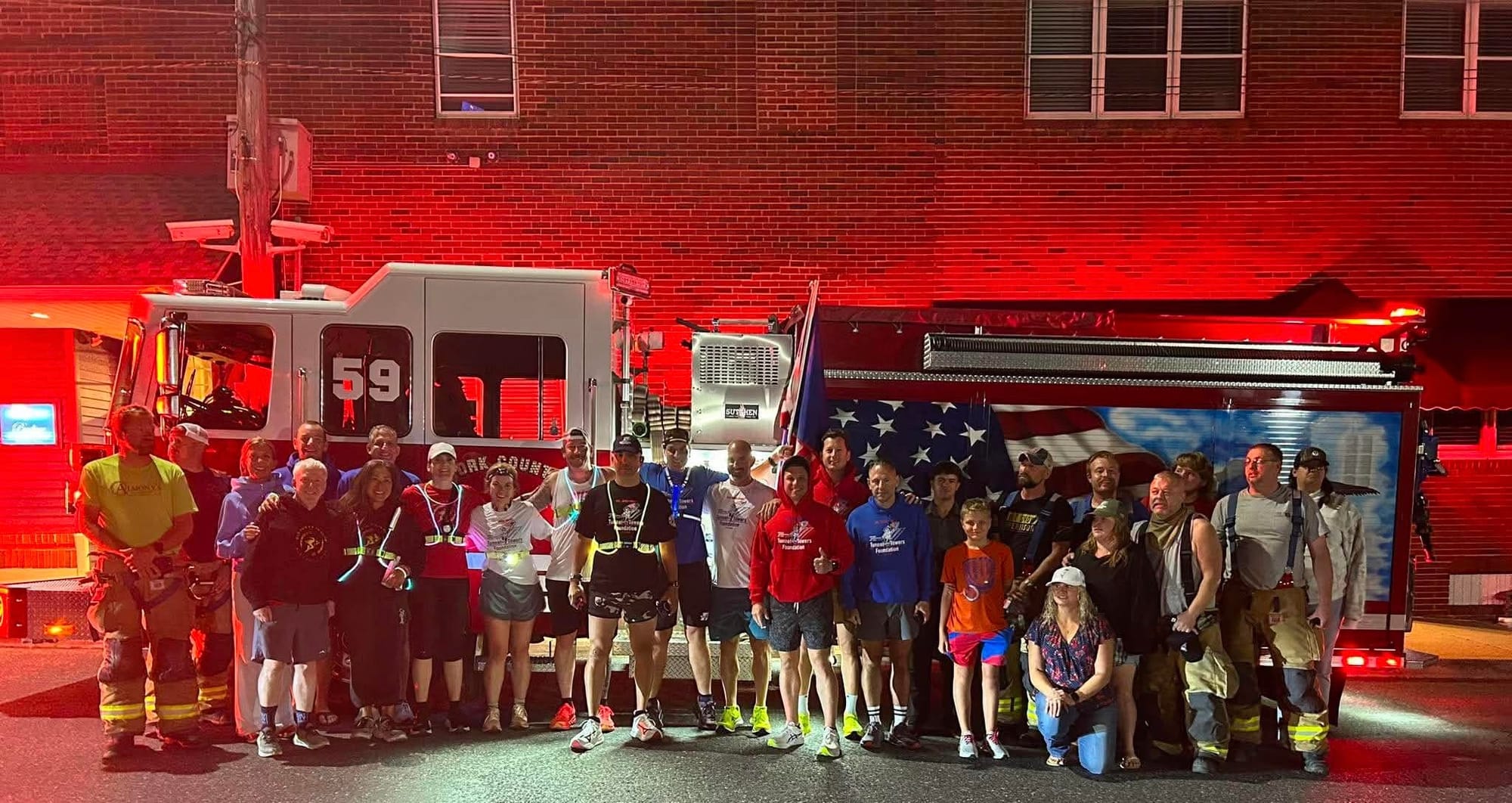
We also encourage members of the Falls Church community to come out, wave American flags, cheer on the runners, and show their support. Whether it’s local veterans, families, first responders, community leaders, or residents simply wanting to be part of this remembrance, every person who joins us helps make this journey more meaningful.
This relay is more than just a run — it is a tribute to the heroes we lost, a thank you to those who continue to protect our nation, and a reminder that we must always Never Forget.
We would be honored to have your news team there to help share this inspiring story and highlight Falls Church’s role in this incredible remembrance journey.
Thank you for your time and consideration. We hope you’ll join us at Dogwood Tavern on Sunday, September 6th, as Falls Church helps us honor the heroes of 9/11 and those who continue to serve our nation.
We look forward to visiting Falls Church and sharing this meaningful moment with your community.
Respectfully,
Old Town Run Club
Tunnel to Towers 9/11 Remembrance Relay Team
Old Town Run Club, Alexandria Va., is a "social club that likes to run." As a 501(c)3 nonprofit, OTRC has 2.3k followers on Facebook.
Social Justice Committee of Falls Church and Vicinity: Affordable Housing Position Paper
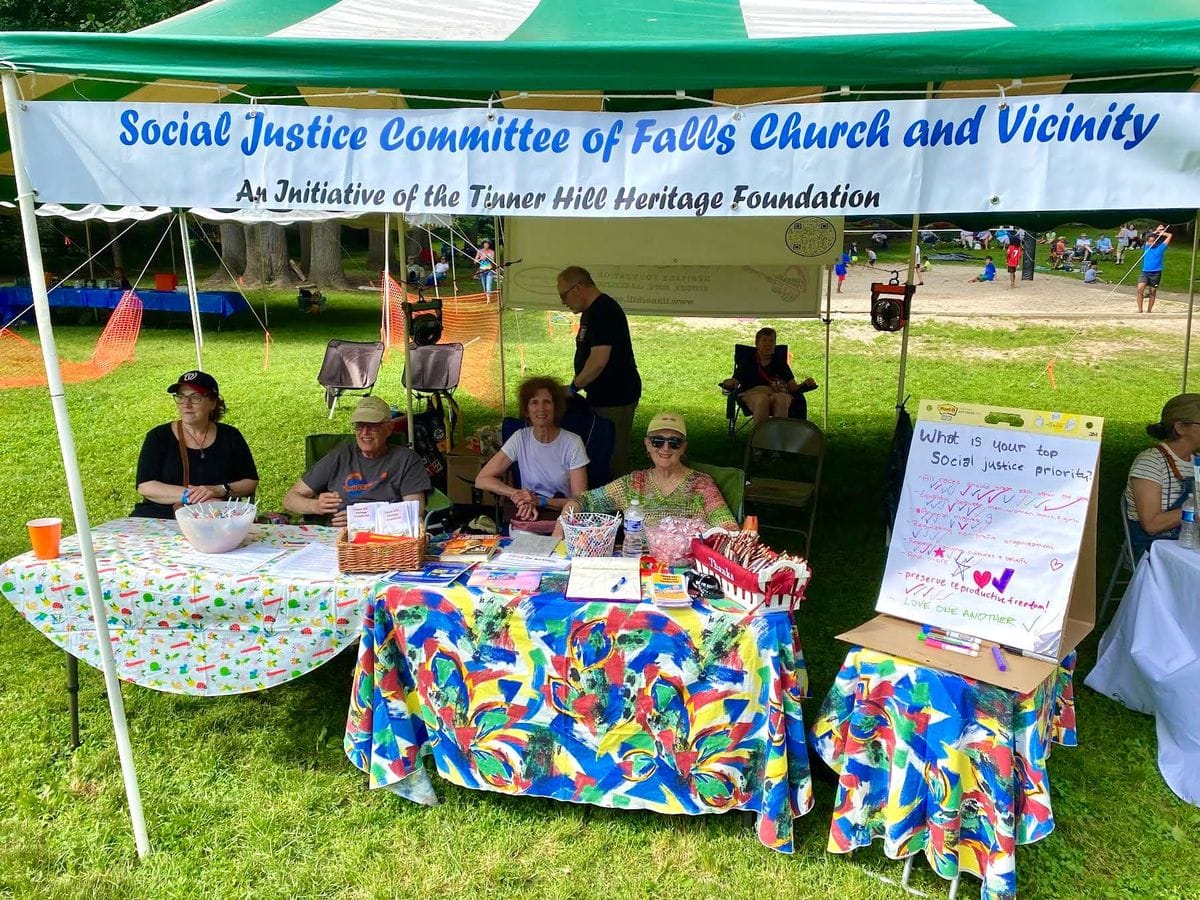
By the Social Justice Committee of Falls Church and Vicinity,
Affordable housing is a national crisis. For low-income people, it’s much worse. For those who work in an affluent city such as Falls Church and want to live there, it’s worse still.
With housing — as is too often true in America across many areas — Blacks and other racial minorities disproportionately suffer. Segregation was not driven merely by private prejudice, and the abolition of segregation did not end its pernicious effects. Instead, local, state, and federal governments systematically engineered policies to bar Black families from home ownership — the primary engine of middle-class wealth. While white families built and passed down generations of equity, the majority of Black families were intentionally excluded from that financial head start.
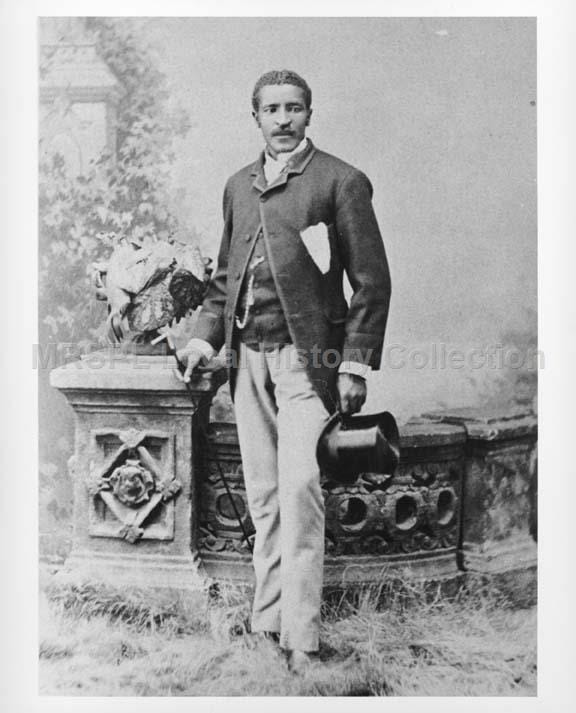
Falls Church City is no exception to this history. Shortly after the Civil War, Charles and Mary Elizabeth Tinner purchased several acres of land in southern Falls Church, in the area now known as Tinner Hill. Soon after the town was incorporated in 1875, Black residents became a political force. In 1880, Frederick Foote Jr., a Black businessman and landowner, was elected to the Town Council.
The response of white residents was devastating. In 1887, to diminish Black political influence, the Council returned roughly one-third of the town’s land, including much of Tinner Hill, to Fairfax County, thereby reducing the Black vote from roughly 37% to 15%. In 1915, Falls Church adopted an ordinance effectively forcing Black residents into a small "colored only" zone, which was never enforced because of organized Black opposition.
Not until the early 1960s were the city’s schools desegregated – after years of resistance and in the face of intense community hostility. And not until the late ‘60s did the city turn back from racially restrictive neighborhood covenants – private agreements barring Blacks and Jews, among others, from living there — which became unenforceable through a combination of Supreme Court decisions and federal law.
When considering affordable housing, this history matters. Now it is the cost of living here, rather than discriminatory policies, that keeps our city racially gated. The high cost prevents many valuable community workers – teachers, restaurant staff, public works employees – from contributing their own diverse experiences to our city.
The Virginia Village redevelopment offers an innovative next step toward improving this situation. The Social Justice Committee of Falls Church and Vicinity fully supports the City Council’s approach and the construction of as many units as practical. Beyond this, we also support the CBC’s call for half of all new affordable housing units to be available to people at 30% of the Area Median Income – the population currently most excluded from living here.
The Social Justice Committee of Falls Church & Vicinity is an initiative of Tinner Hill Heritage Foundation. Its mission is to "honor the diversity reflected in the many faces of our one community and engender hope, respect, and healing for all." The group is a "network of Falls Church community members, civic organizations, and faith groups that explore how to create a local culture that is united in diversity." The Committee "stands ready to respond rapidly to community challenges and link them with possible solutions."
To contact the Social Justice Committee of Falls Church & Vicinity call: Jane Michaels, Publicity Chair, at: 630-935-6311, or write: P.O. Box 6117, Falls Church, Va., 22040. Or email: socialjusticefc@gmail.com. Click the link above to go to the group's website.
For more of our reporting on the Tinner Hill Heritage Foundation and the Social Justice Committee of Falls Church and Vicinity, see below:
 Christopher Jones
 Christopher Jones
 Christopher Jones
 Christopher Jones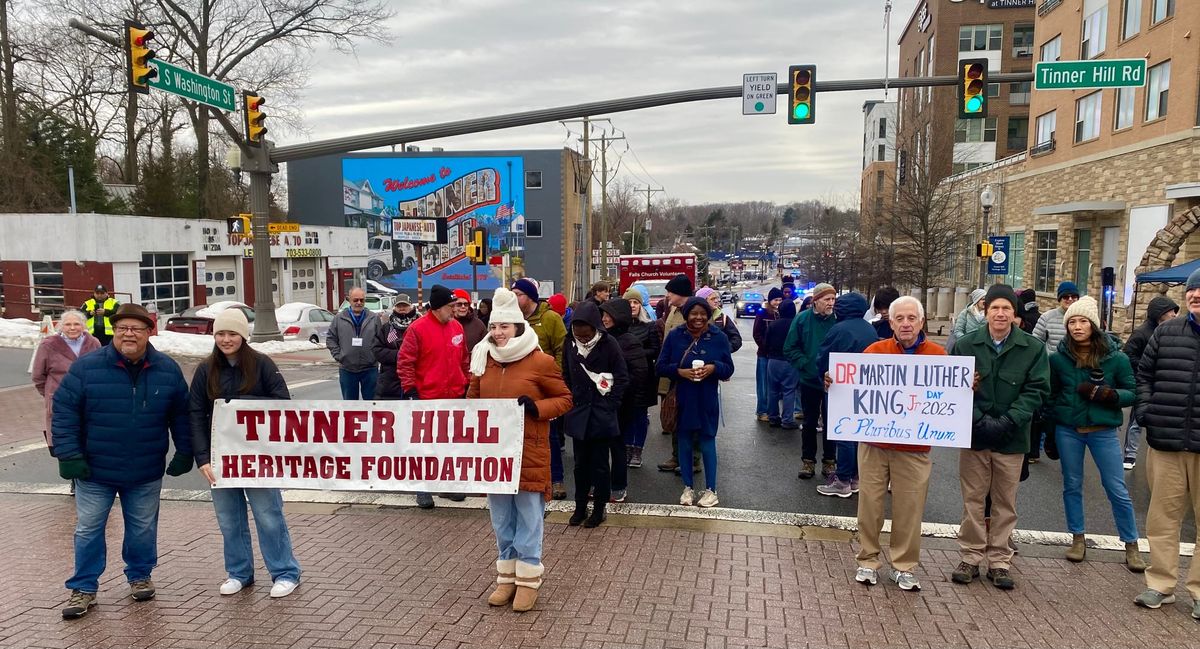
 Christopher Jones
 Christopher Jones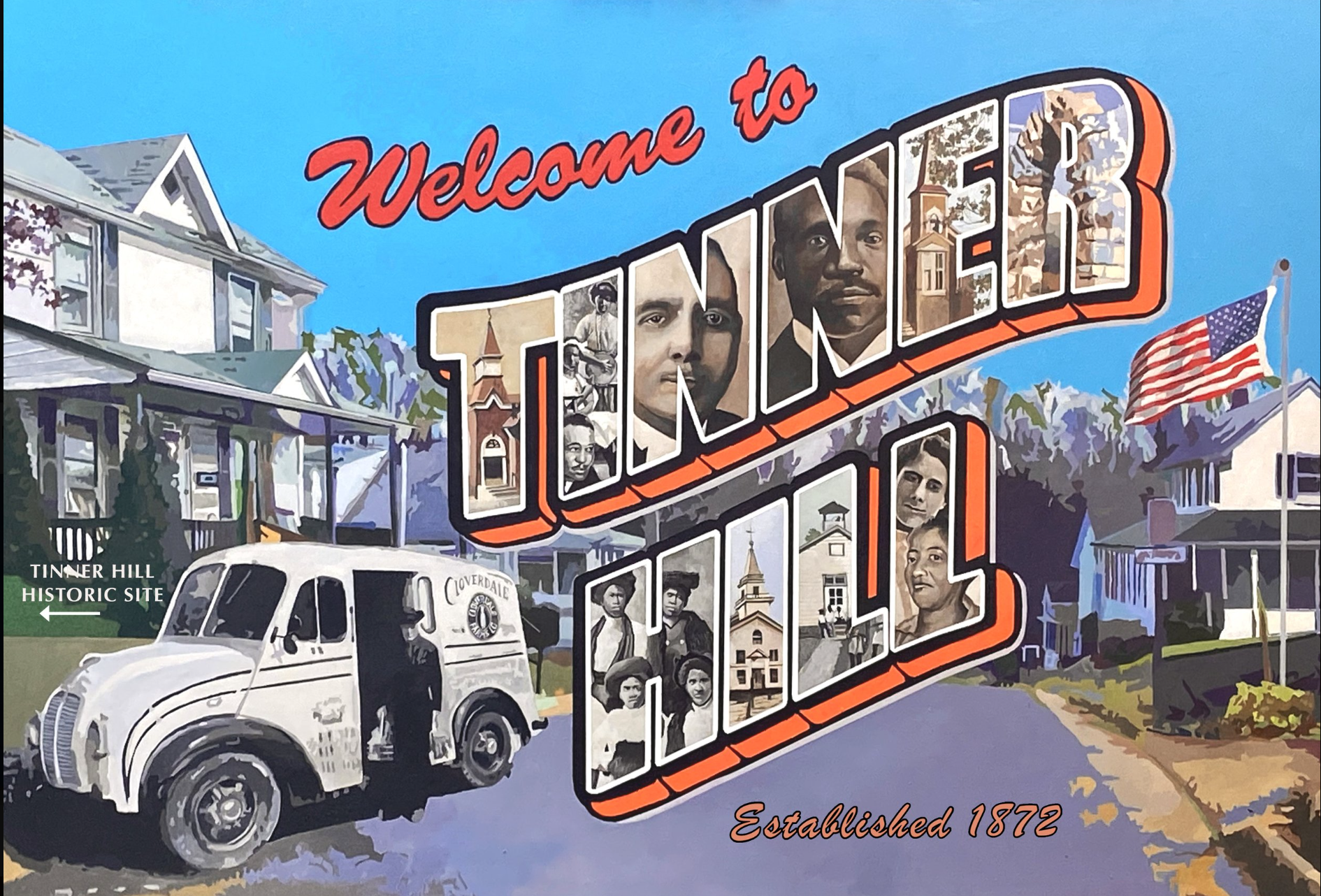
For more of our reporting on Virginia Village, see below:
 Christopher Jones
 Christopher Jones
 Christopher Jones
 Christopher Jones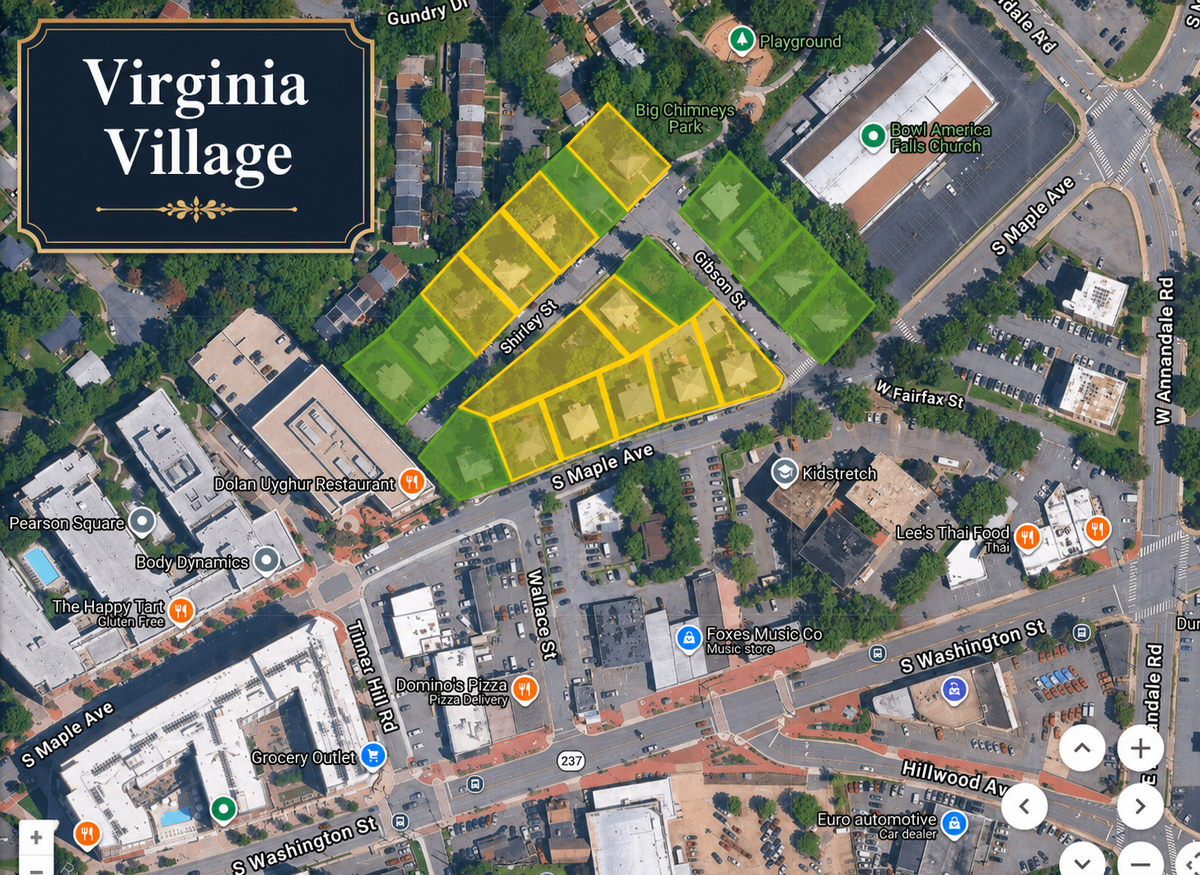
City of Falls Church Releases New Video Highlighting Student Voices in 250 Video Series
This time it's about the students.
Commemorating the Little City's history as part of the nation's semiquincentennial, the most recent episode in the City's "Reflections at 250" video series has dropped.
"Since the country's beginnings, each new generation has helped shape the story of our nation," the video "The Next Generation" begins. "In Falls Church, students are discovering how they contribute to the place they call home. As we commemorate the 250th anniversary of the United States, we reflect on the lived experiences of Falls Church students and the role they play in our community today."
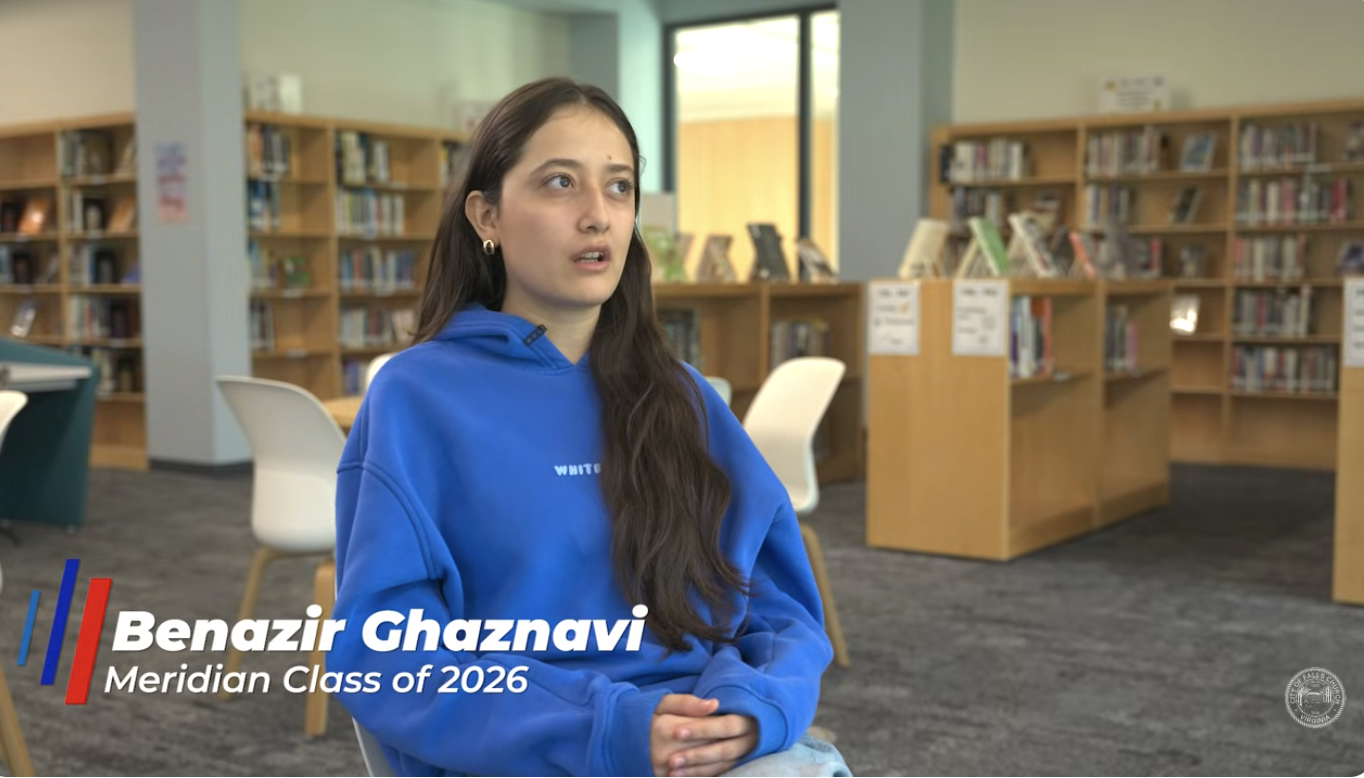
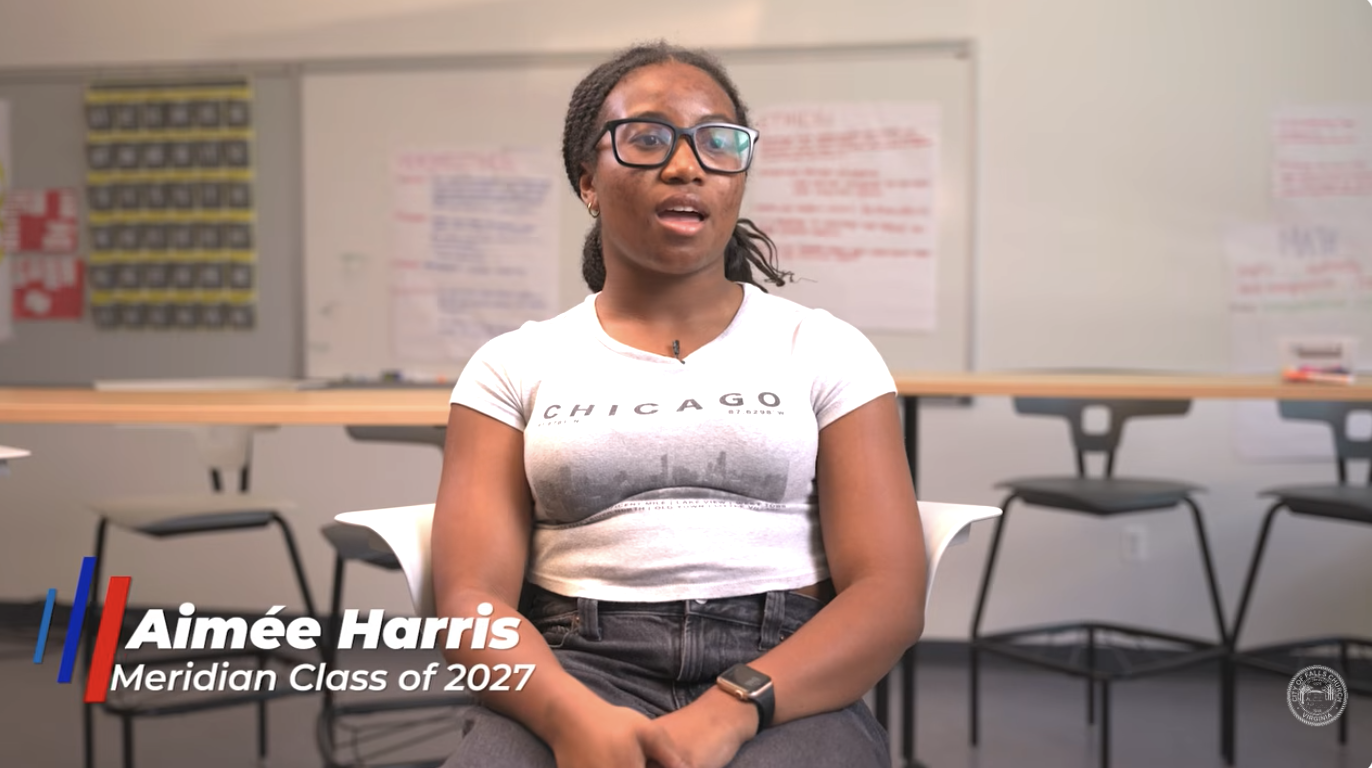
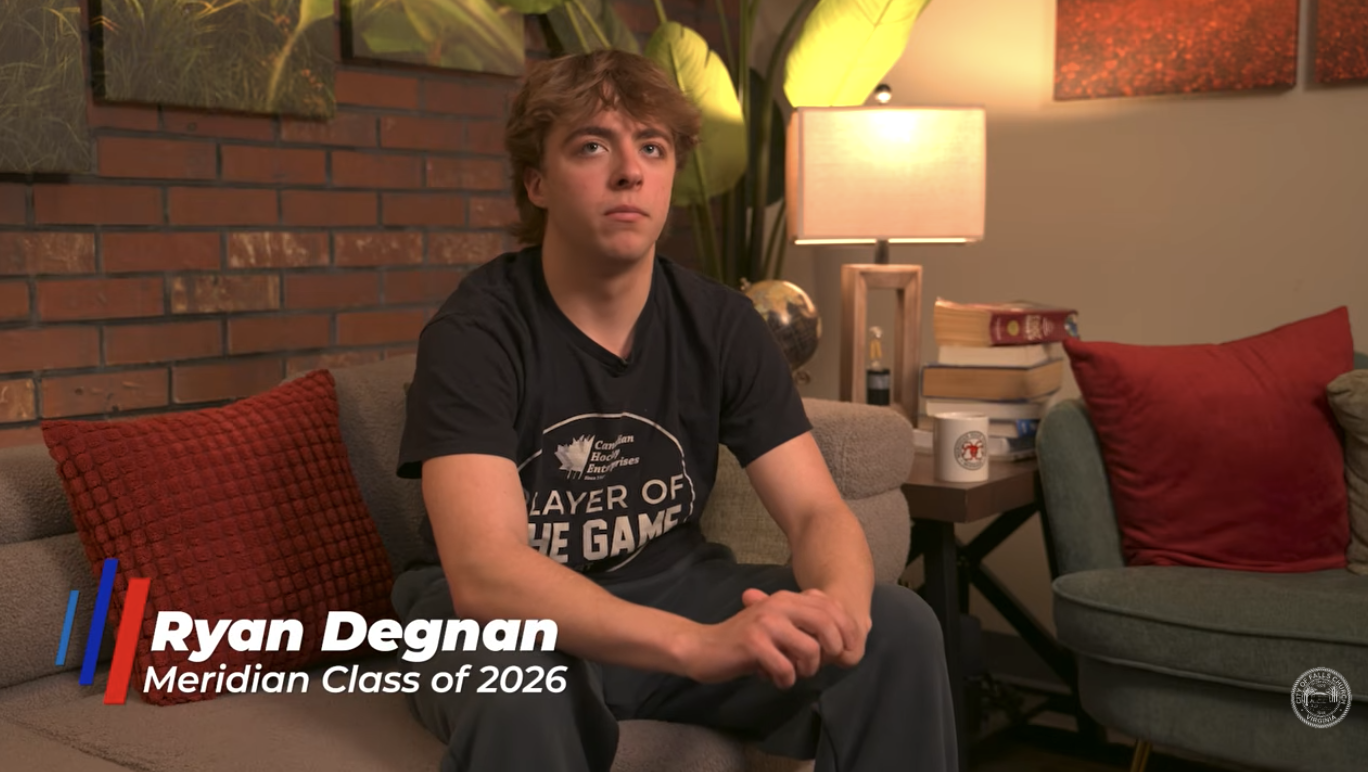
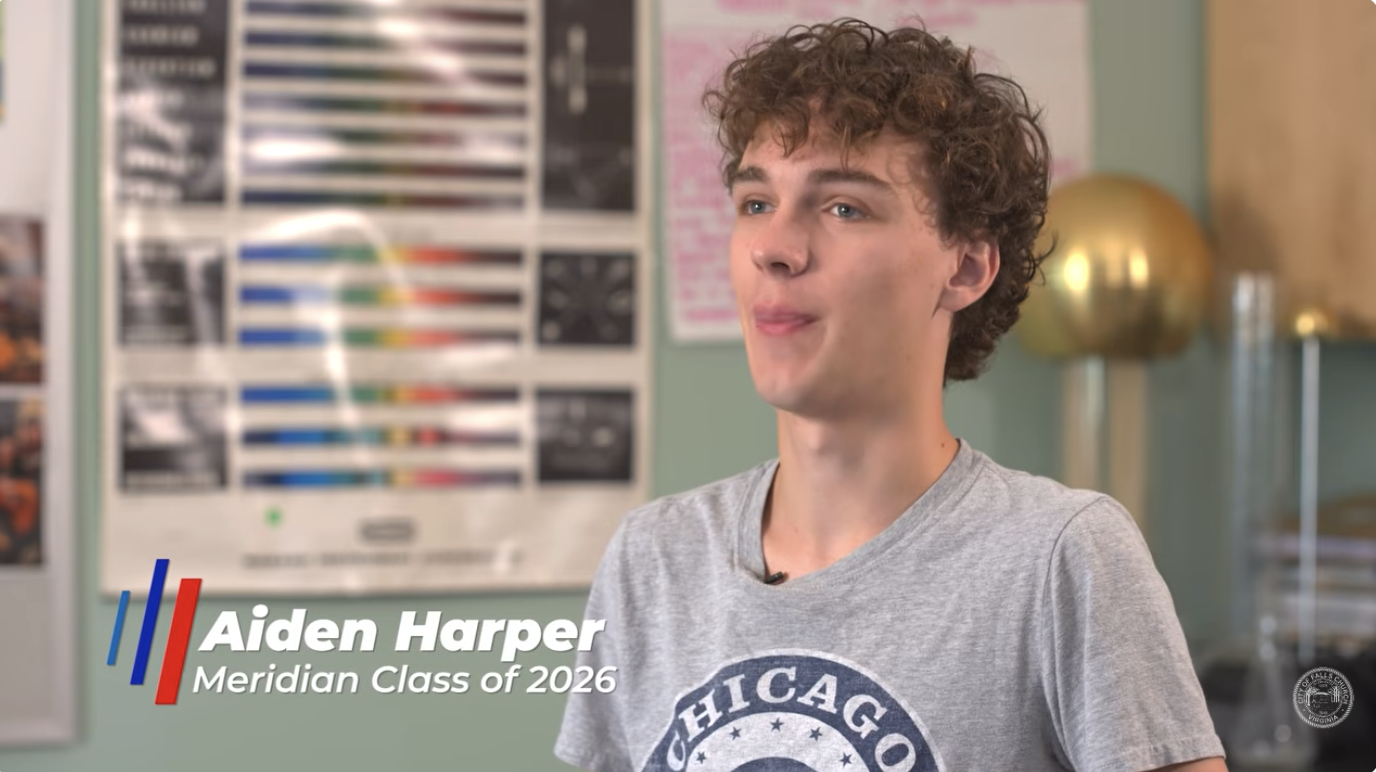
The inspiring and heartwarming 7:32-minute video features Meridian H.S. students Benazir Ghaznavi ('26), Aimée Harris ('27), Ryan Degnan ('26), and Aiden Harper ('26). These students' remarkable personal journeys have so much to say about the Falls Church City Public Schools system as well as the Little City community moving forward.
Notices & Announcements
F.C. City Gov't Closures and Labor Day Schedule
Tuesday, September 1, 2026 – City facilities and government will follow the below operating schedule through Labor Day on Monday, September 7, 2026.
City of Falls Church Community Center – Kenneth R. Burnett Building
(223 Little Falls St.)
- The Community Center is closed to the public through Saturday, September 5, 2026, for maintenance and deep cleaning.
- Customer support is available during this annual “clean week,” by calling 703-248-5027 (TTY 711), emailing recreation@fallschurchva.gov, or at the front desk.
- Bathrooms and showers will open as available and when safe.
- There will be no other public access to the building.
- The Community Center will remain closed on Sunday, September 6, 2026, and Monday, September 7, 2026, for Labor Day.
- It is scheduled to reopen on Tuesday, September 8, 2026.
The Mary Riley Styles Public Library (123 N. Virginia Ave.)
- The library will be closed on Sunday, September 6, 2026, and Monday, September 7, 2026.
City Hall (300 Park Ave.)
- All government programs and services will be closed on Monday, September 7, 2026.
Grocery Outlet's Pack-To-School Event, Sept. 12
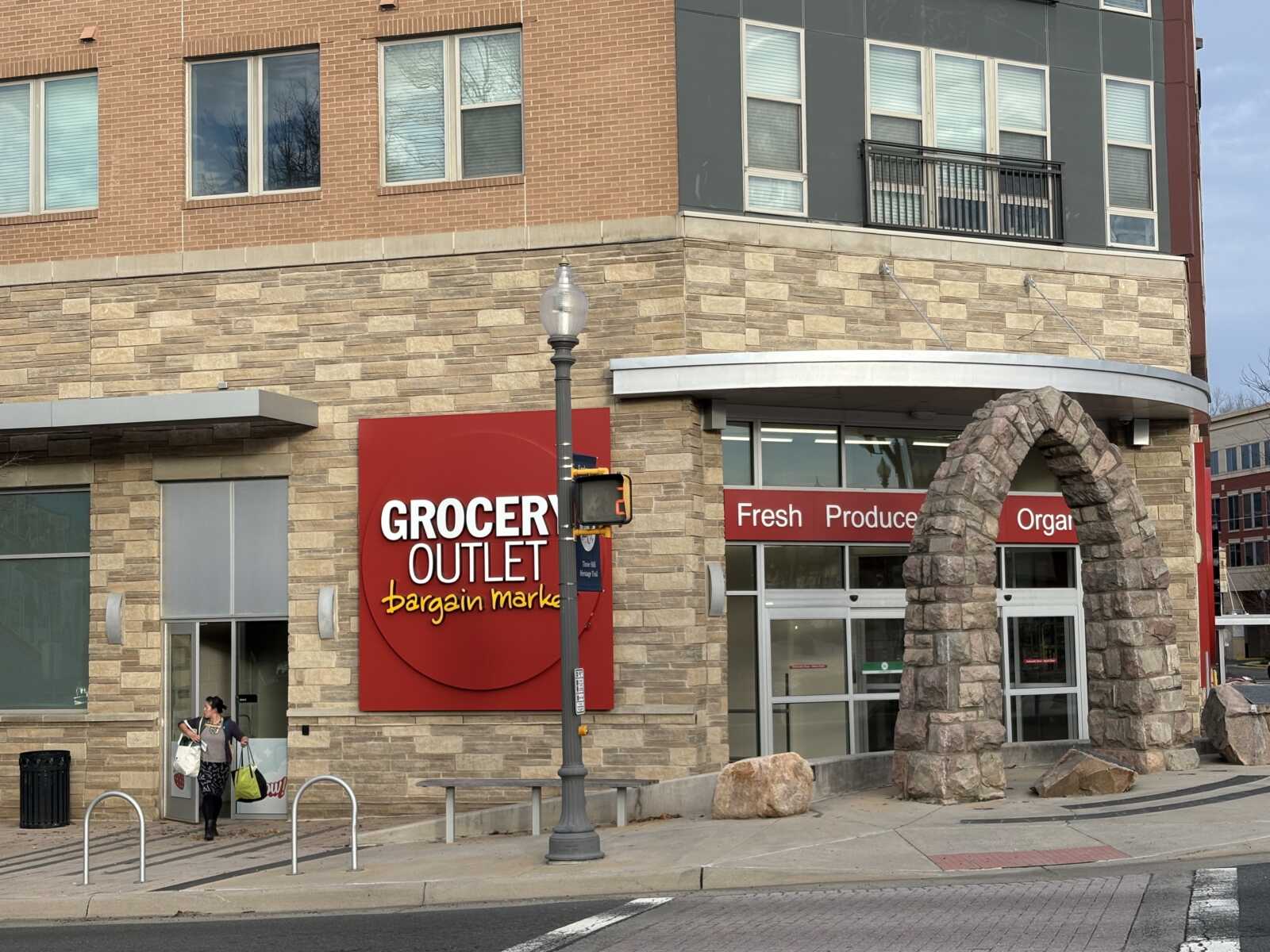
As families across Virginia settle into new school-year routines, Grocery Outlet is helping make lunch packing a little easier with its Pack-To-School Event on Saturday, Sept. 12.
The one-day event features:
- Free customizable lunch bags for the first 150 kids ages 12 and under;
- Complimentary lunch bag snacks, including SimplyGO fruit cups and other lunchbox-friendly options;
- 20% off deli favorites throughout the day;
- A Mystery Superstar Patch, with one lucky child winning a Grocery Outlet backpack and reusable water bottle;
- A $5 off $25 bounce-back coupon to help families save on a future shopping trip;
The event gives families a chance to stock up on school lunch essentials while enjoying a fun community event at their local Grocery Outlet.
Live Music in Commons Park
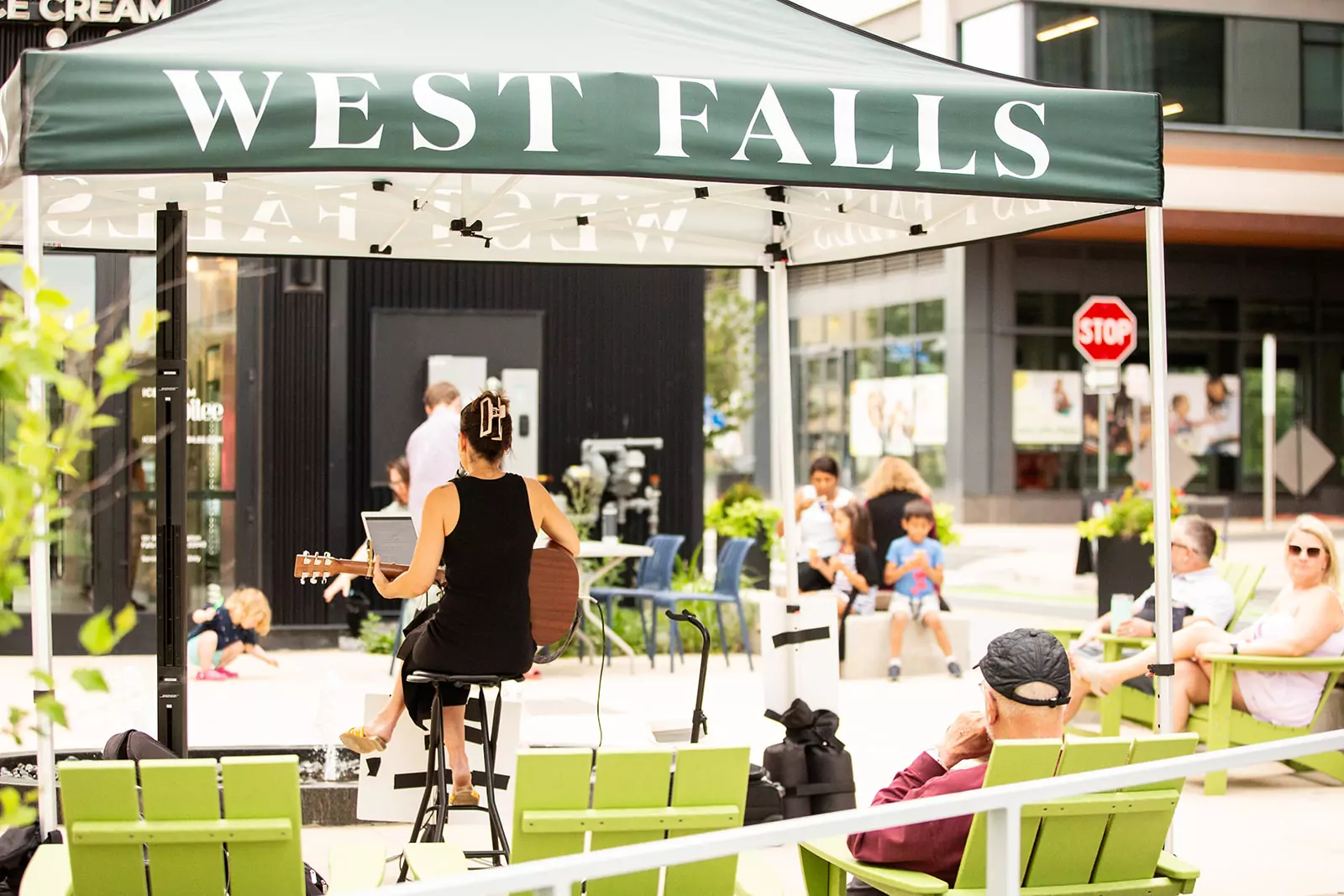
Friday, September 4, 6:00 – 9:00 p.m. – Enjoy the crisp fall air and vibrant atmosphere in Commons Park with great tunes by Mark Saltman. This event is part of the weekly Friday Night Live Music series, so bring your friends and family and settle in for a fun fall evening. Better yet, pick up dinner at Mason's Famous Lobster Rolls.
As Shoppers Hunt for Bargains, Arlington Civitan Flea Market Marks 40 Years
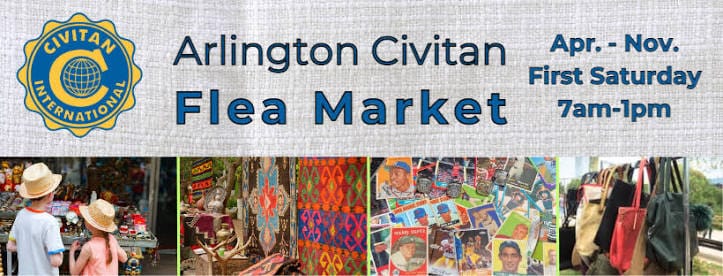
More than 150 vendors return Saturday, Sept. 5, as consumers look for ways to stretch their dollars and one of Northern Virginia's oldest flea markets celebrates four decades in Arlington.
At a time when shoppers are watching prices, searching for deals and looking for ways to make their money go farther, one of Arlington's longtime places to hunt for a bargain is celebrating a milestone.
The Arlington Civitan Open Air Flea Market marks its 40th anniversary this year, and more than 150 vendors are expected Saturday, Sept. 5, from 7:00 a.m. to 1:00 p.m. at the I-66 Parking Garage adjacent to Washington-Liberty High School.
The timing may be especially relevant in 2026. Consumers are increasingly looking for value, discounts and secondhand merchandise as families try to stretch their household budgets.
In Arlington, bargain hunting isn't a new trend.
It has been happening at the Civitan flea market since 1986.
The market began that year when the Arlington Civitan Club and Arlington County joined forces to create a central location where residents could sell and recycle used goods. Forty years later, shoppers still arrive on the first Saturday of the month to see what they can find.
Today, more than 150 vendors fill multiple levels of the covered garage with furniture, household goods, antiques, vintage collectibles, artwork, jewelry, books, tools, toys, clothing, vinyl records, sports memorabilia and plenty of unexpected finds.
The Arlington Civitan's official website says approximately 1,500 shoppers typically visit the flea market each month.
For bargain hunters, part of the attraction is simple: no two markets are exactly alike. The vendors and merchandise change from month to month. Shoppers who arrive early generally find the widest selection, while those who come later may find vendors more willing to negotiate as the market approaches closing time.
The Sept. 5 market falls during Labor Day weekend and comes as families are wrapping up back-to-school shopping and preparing for fall.
Admission and parking are free, and most vendors are inside the covered parking garage. The market operates rain or shine.
When the flea market began in 1986, shoppers paid 25 cents to enter. Today, admission is free.
Four decades later, the market remains the Arlington Civitan Club's largest fundraiser. Money raised through vendor spaces and other market activities supports Civitan charitable causes, including organizations serving individuals with intellectual and developmental disabilities.
After Sept. 5, two markets remain this season, Saturday, Oct. 3, and Saturday, Nov. 7.
Additional information, vendor registration and market details are available at arlington-fleamarket.com. Instagram: @marketarlington.
The Arlington Civitan Club is a volunteer-led service organization serving the Arlington community. Since 1960, the club has provided financial assistance to local charities, many of which support individuals with intellectual and developmental disabilities. Established in 1986, the Arlington Civitan Open Air Flea Market is the club's largest fundraiser.
For our recent reporting relating to adults with intellectual and developmental disabilities see below:
 Christopher Jones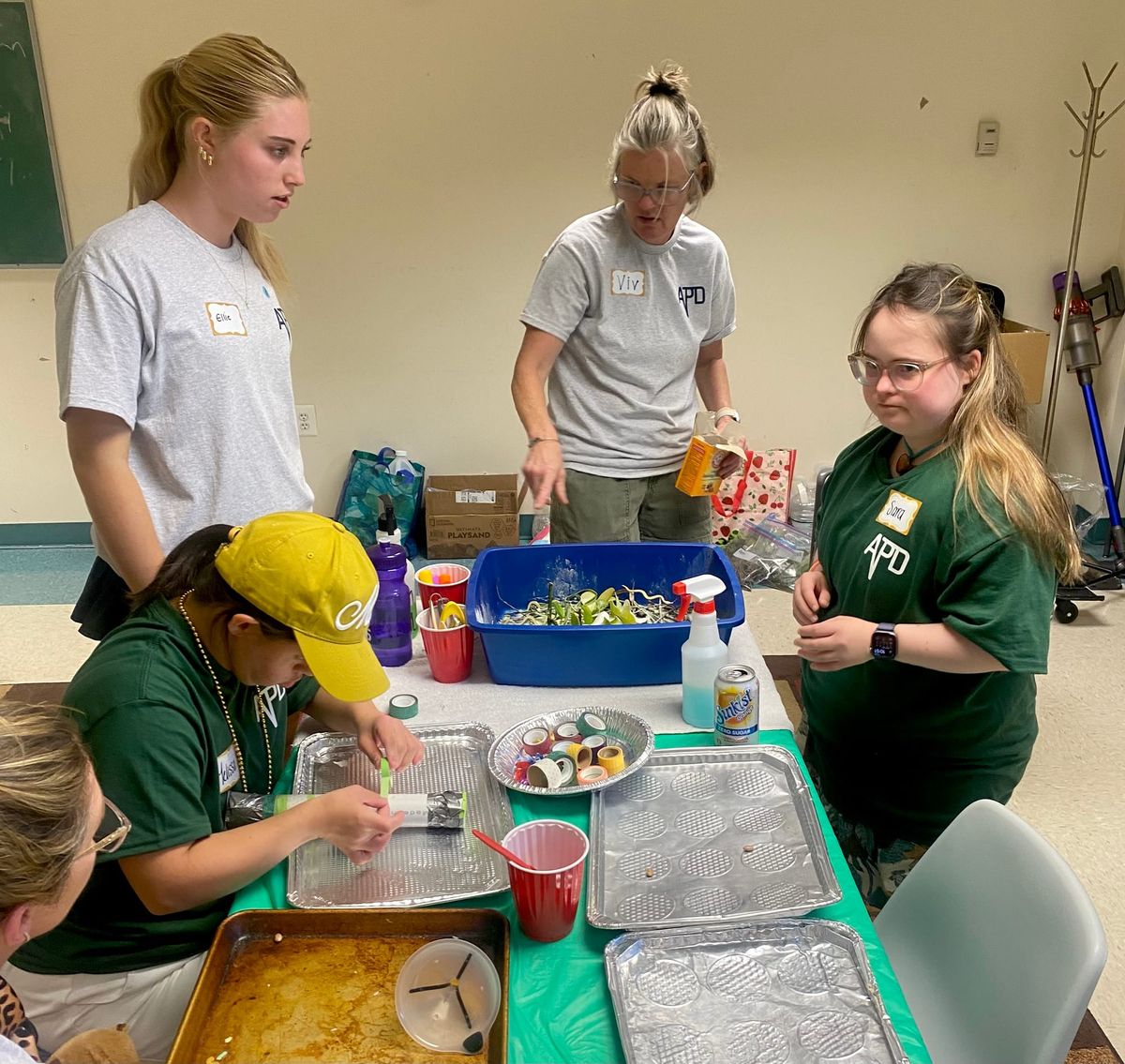
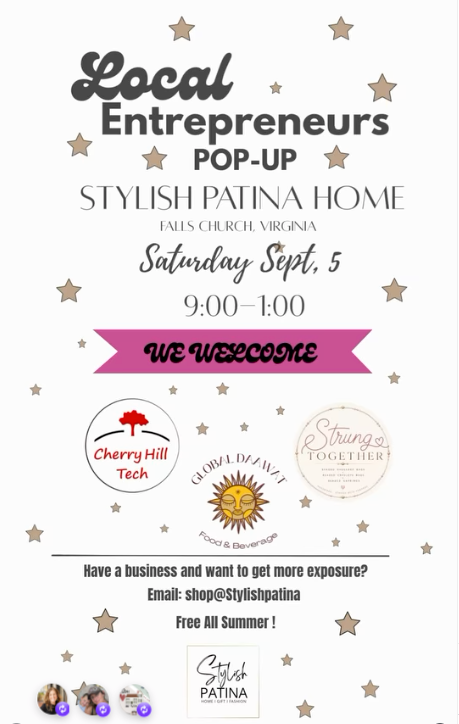
Stylish Patina Offers Local Entrepreneurs Pop-Up, Sept. 5
By Christopher Jones
Member discussion